
Why Your Ecommerce Website Isn’t Ranking (And What Actually Fixes It)
- April 27, 2026
- SEO
We were in the middle of a discussion with an ecommerce founder last year, and they told us something very interesting:
They said, “We have done everything to get better rankings from blogs, keywords, and ecommerce SEO tools,” but nothing worked.
We started auditing their website, and guess what we found- The Misdirection.
All they were doing was following the basic SEO guide while forgetting to build a real ecommerce site SEO strategy.
And that’s what most brands forget to do.
So, if you are trying to find out:
- Ecommerce website optimization
- How to improve ecommerce SEO
- How to improve the SEO of ecommerce website
It's not about adding more and more keywords, but also about correcting what actually moves rankings and revenue.
Then this isn’t about adding more keywords. It’s about fixing what actually moves rankings and revenue.
Why Ecommerce SEO Fails (Even When You’re Doing Everything “Right”)
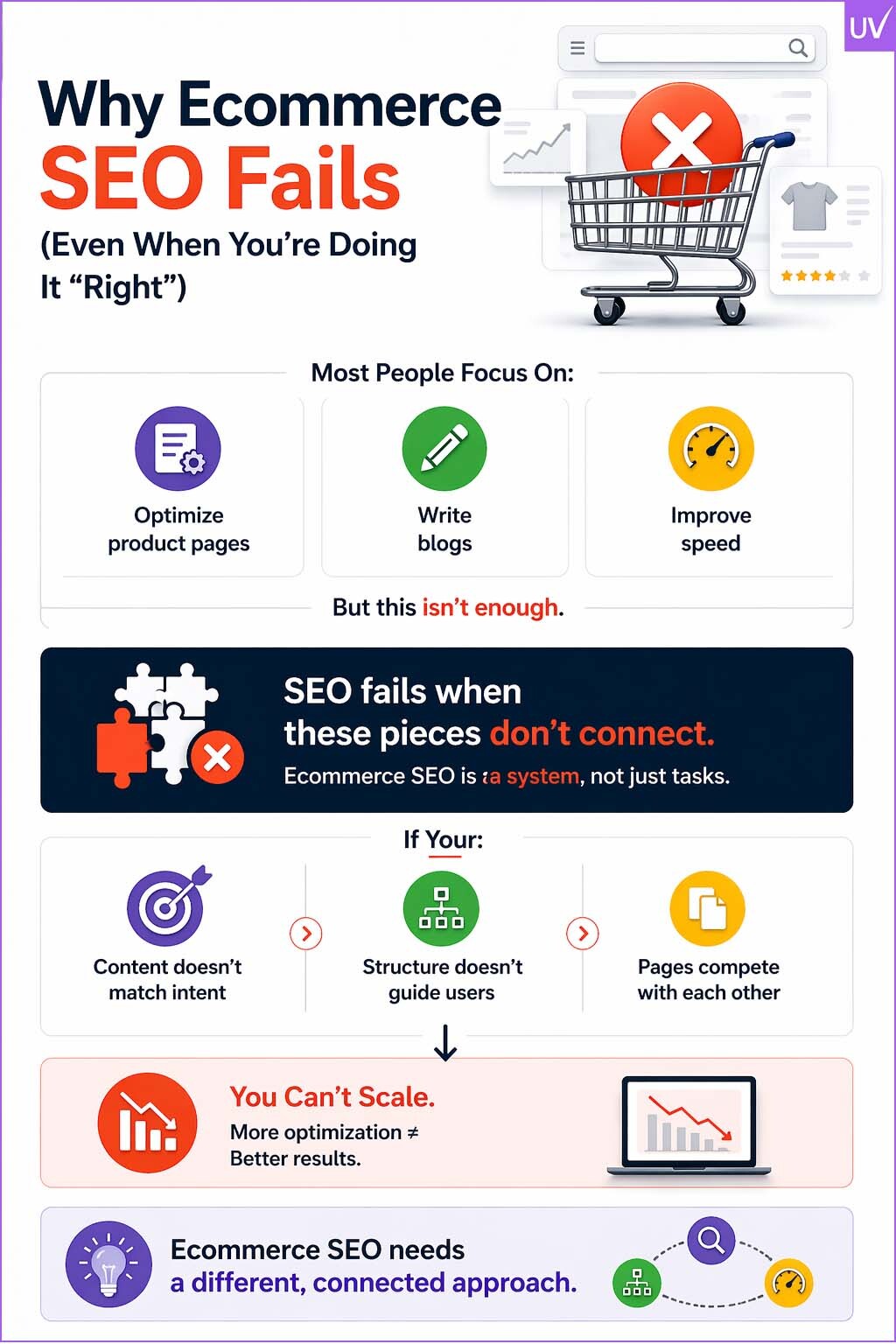
There is a sea of information about how to do SEO for ecommerce site out there, but they all lack depth.
All you’ll hear is:
- Optimize product pages
- Write blogs
- Improve speed
But that’s not enough, and the reality is:
SEO fails when these pieces don’t connect.
An ecommerce site isn’t a blog. It’s a system.
If your:
- Content doesn’t match intent
- Structure doesn’t guide users
- Pages compete with each other
Then forget the scaling because no matter how much optimization you do, it won’t work.
That is why SEO optimization for ecommerce needs to be pursued a little differently from what we do in traditional SEO.
Search Intent Is the Real Starting Point (Not Keywords)
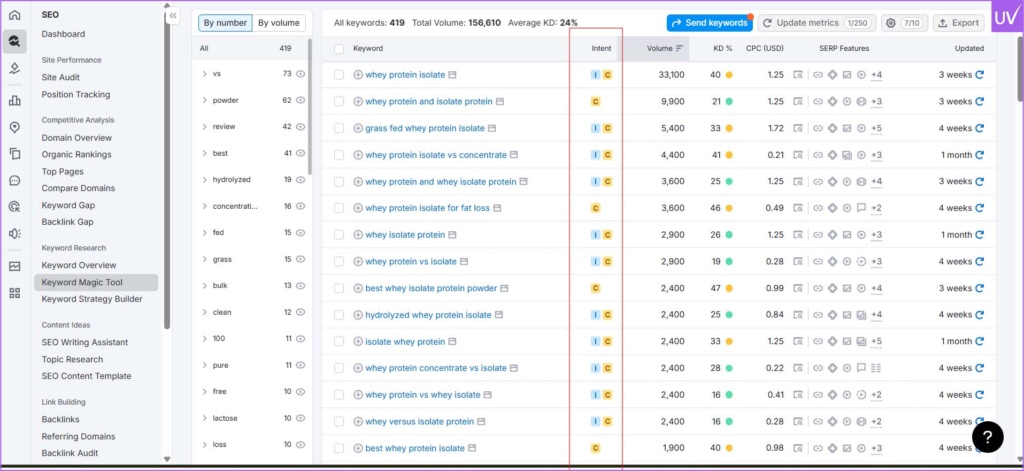
Let’s talk easy here because most guides you will find out there complicate things.
A user searching:
- “Best protein powder for beginners” is exploring
- “Buy whey protein isolate 1kg” is ready to purchase
Now, sit for a minute and think about your site.
How are you doing with page alignment with this?
Because when you start ecommerce website optimization, start with mapping intent correctly:
- Blogs target discovery
- Category pages target comparison
- Product pages target conversion
When brands forget to improve ecommerce site search optimization, even if they are publishing content regularly.
Site Structure: The Silent Ranking Factor
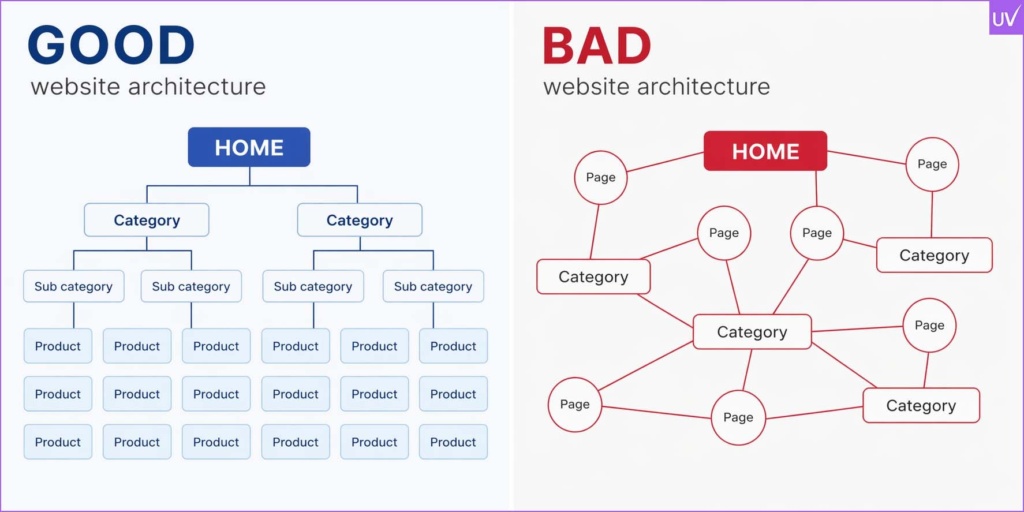
The first and easiest way to improve an ecommerce website's performance is to fix the structure.
Yet most ecommerce sites:
- Let important pages die
- Create duplicate paths
- Confuse both users and search engines
A simpler and clearer hierarchy from homepage to category to product is required for good UX because it directly impacts rankings.
When Google can:
- Crawl efficiently
- Understand relationships
- Prioritize key pages
You begin to see the growth.
This is one of the most underrated and least utilized aspects to improve the SEO services for ecommerce website, mainly for large catalogs.
Category Pages Are Your Real SEO Assets

It's okay to spend money on product pages, but don't forget about the categories. If you do, you'll lose traffic.
Most of the best SEO work for an online store should be done on category pages.
Why?
Because they:
- Focus on more general, high-volume keywords
- Get users to make decisions and scale better than single product pages
- But here's the problem: most category pages are just grids of items.
No background. No content. No difference.
This is exactly where a strong Shopify SEO company makes a measurable difference.
To make ecommerce SEO better, category pages need to:
- Introductory content that matches search queries
- Structured internal linking
- Controlled indexing of filters
This is where a lot of ranking potential can be found.
Product Pages: Where SEO Meets Conversion
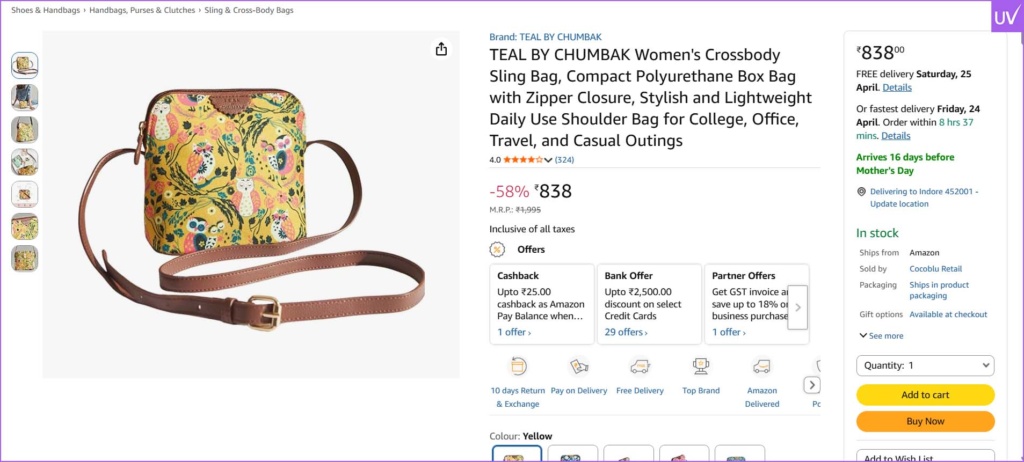
People often think of product pages as inventory instead of content.
That's why they don't rank very often.
If you want to really optimize your ecommerce site for search engines, your product pages need to do more than just describe the product.
They ought to:
- Answer real questions from buyers
- Give detailed descriptions based on how the product will be used
- Add FAQs that answer long-tail questions
Adding user-generated content like reviews, ratings, and pictures is also very important.
It builds trust, keeps people on the page longer, and helps with visibility.
Technical Performance Is Not Optional Anymore
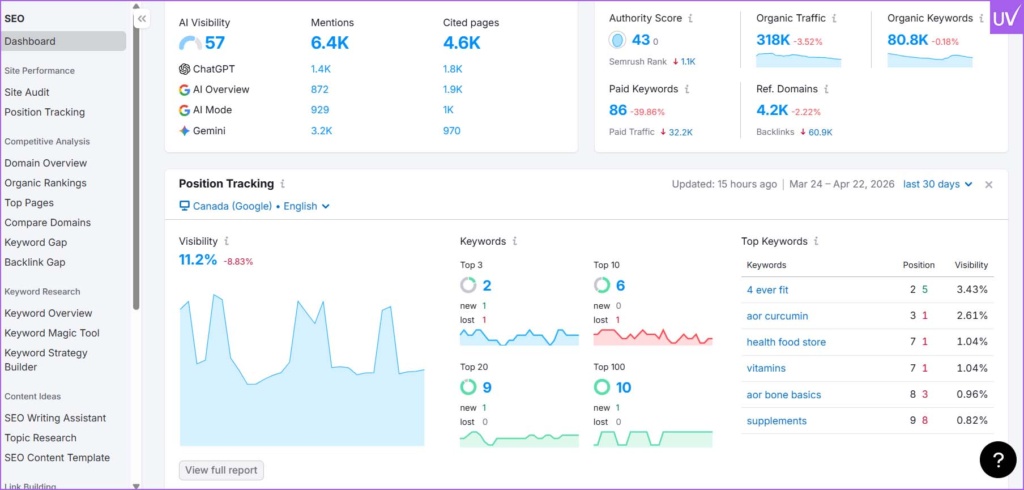
You can't talk about optimizing an ecommerce website without also talking about performance.
Speed has a direct effect on:
- Rankings
- Conversions
- User retention
Data consistently shows that even a one-second delay can have a big effect on conversions.
To make an ecommerce website work better, you should:
- Improving images
- Lowering script load
- Speeding up server response
These aren't just fixes for technical problems; they're also decisions about how to make money.
Building a Connected SEO Ecosystem

How you treat pages without isolating them is a big difference you can make before you go to an SEO ecommerce site.
That's not how high-performing ecommerce sites work.
They make connections.
A blog that answers a discovery question takes you to a category page.
A category page gives products authority.
This structure for linking within the site:
- Improves rankings
- Helps users convert
- Builds topical authority
Even well-optimized pages have trouble without this.
Also Read - Local SEO Strategies for Ecommerce Brands
Expanding Beyond Competitive Keywords
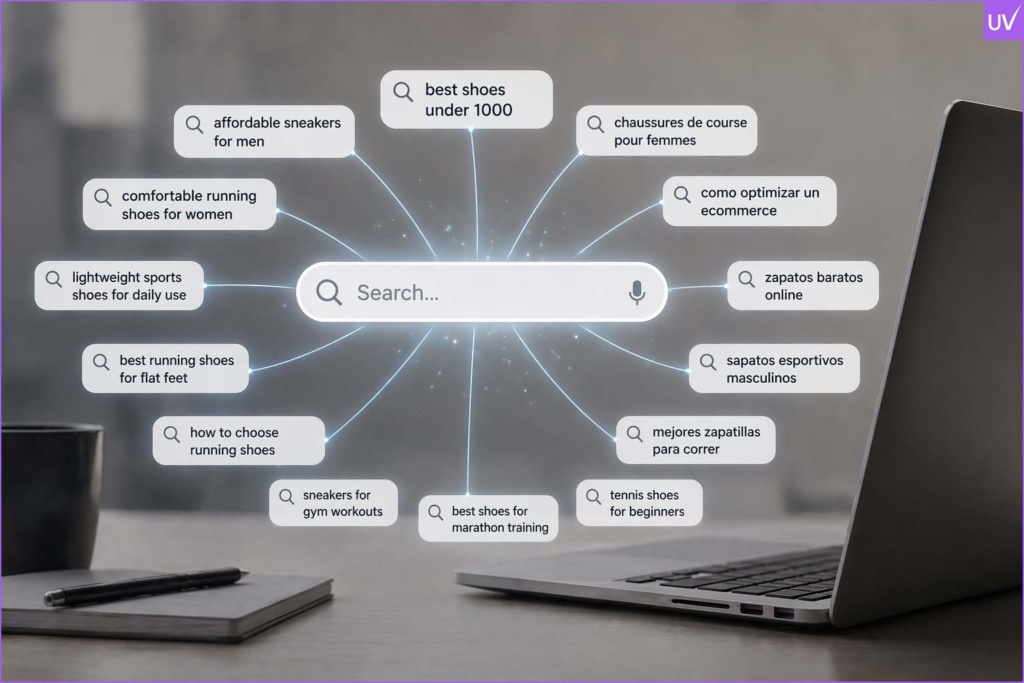
If you only go after English keywords with a lot of competition, your growth will be slow.
Smart brands grow by:
- Long tail queries
- Conversational searches
- International words like "como optimizar un ecommerce."
This method not only brings in different kinds of traffic, but it also makes you less reliant on very competitive terms.
What Actually Drives Results
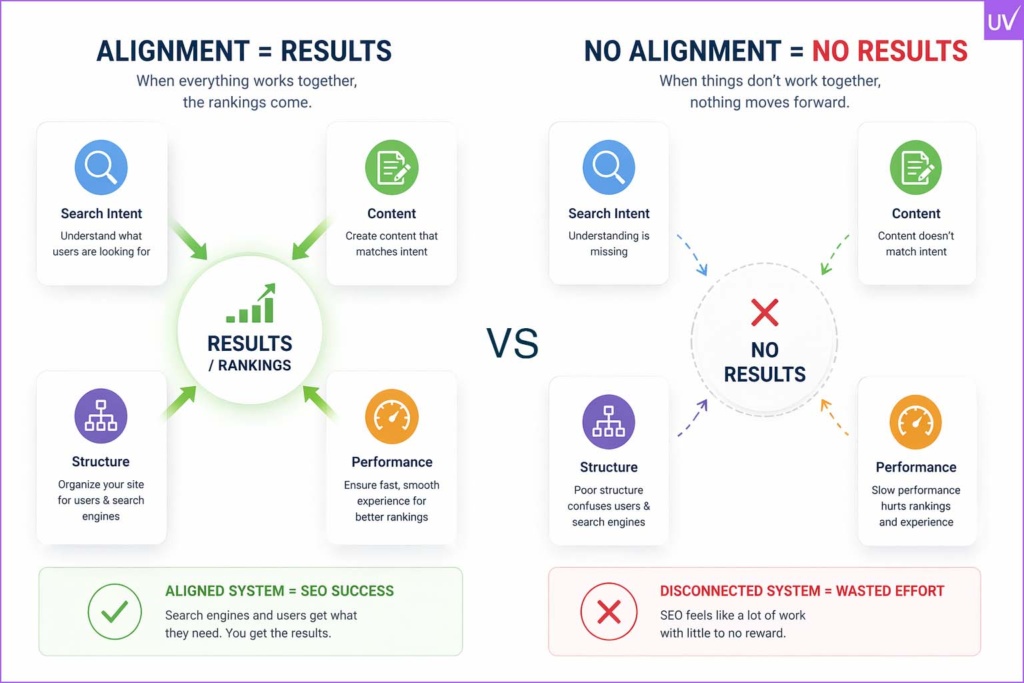
In the end, there's only one thing that matters when it comes to improving ecommerce SEO:
Aligning.
In between:
- Search intent
- Content
- Structure
- Performance
When these things work together, the rankings come.
SEO feels like a lot of work with little reward when they don't.
Turning Strategy into Growth

Most online stores don't have trouble coming up with ideas; they have trouble putting them into action.
That's where Uvisible does things differently.
The goal is to create a scalable ecommerce site SEO strategy that connects traffic with revenue, not just small improvements.
The goal is simple:
Make SEO a steady source of growth, not a test.
FAQs
What should I look for in an ecommerce SEO agency?
When looking for an agency to optimize your ecommerce website, make sure they can do more than just basic SEO work. A good ecommerce SEO agency should know a lot about site architecture, optimizing category pages, and making content strategies that can grow.
At Uvisible, the goal is to make a full SEO strategy for an ecommerce site that connects technical SEO, content, and changes that focus on conversions instead of treating them as separate things.
How can an agency improve SEO for my ecommerce website?
A website design agency helps with SEO by finding structural and strategic gaps that keep growth from happening. This means fixing crawl and indexing problems, improving internal linking, and making sure that the content matches what people are looking for.
The goal is to build a system that boosts both rankings and sales, not just make small fixes. This means figuring out how to improve ecommerce SEO in a way that works with your product catalog.
How long does ecommerce SEO take to deliver results?
Timelines depend on how your website is doing right now and how much competition there is. You can usually see the first signs of better rankings and traffic within 2–3 months, especially after fixing technical problems.
It usually takes 4 to 6 months for traffic and conversions to grow steadily, as improvements to content, authority, and site performance start to add up.
Is ecommerce SEO better than paid ads for long-term growth?
Ecommerce paid ads and SEO have different goals. Paid ads bring in traffic right away, but SEO creates a long-term, cost-effective way to get new customers.
Companies that put money into a good strategy for optimizing their ecommerce websites often find that they rely less on paid ads over time, as organic traffic starts to bring in more money.
What makes an ecommerce SEO strategy successful?
All phases of the buyer journey are aligned with search intent, site structure, and content in an effective e-commerce SEO plan. It generates supporting material to draw in discovery-stage traffic, prioritizes category pages for rankings, and fortifies product pages for conversions.
Agencies like Uvisible concentrate on producing scalable growth, which is distinguished from average results by execution consistency and technical perfection.
About us and this blog
We are a digital marketing company with a focus on helping our customers achieve great results across several key areas.
Request a free quote
We offer professional SEO services that help websites increase their organic search score drastically in order to compete for the highest rankings even when it comes to highly competitive keywords.
Subscribe to our newsletter!
More from our blog
See all posts
Recent Posts
- Zero-Click Searches: How to Still Get Traffic in 2026 June 29, 2026
- WordPress SEO Mistakes That Hurt Rankings June 15, 2026
- E-commerce SEO Audit Checklist for Shopify Stores June 1, 2026
Pingback: 5 Life-Changing Benefits of Digital Marketing for eCommerce - Uvisible