
There is something strange happening in SEO right now.
Page 1 Website Ranking.
Sometimes even in the top 3.
But traffic? No sir.
Clicks are down, impressions are shaky, and marketing teams everywhere are staring at Google Search Console like it just dumped them.
Most of them, to be honest, are blaming the wrong thing.
Because this isn’t just another Google algorithm update
This is Google revolutionizing the game of search altogether.
Welcome to the Google AI Overviews era: get answers without going to your website.
In one month, your blog is getting thousands of monthly visitors.
The next minute, Google’s AI summarizes your content in four lines and silently removes the reason to click.
Brutal? Hell no. Kind of.
Shock? Not really.
Google has been moving toward zero-click searches for years. AI Overviews just accelerated the process.
Now companies are scrambling to figure out:
- Why has their traffic suddenly dropped
- Whether AI Overviews are to blame
- How to fix AI ranking drops
- Why CTR is going down while rankings are stable
- What tools track AI visibility correctly
- Whether investing in AI visibility optimization services is now becoming essential
And if organic traffic is really even recoverable at all anymore
The short answer:
Aye.
But without using traditional SEO techniques.
The sites that survive this shift aren’t the ones publishing 50 generic blogs a month.
They’re the ones building authority, developing original insights, structuring content for AI discovery, and becoming sources that Google actually trusts.
And that’s what we’ll be diving into in this guide.
So get your coffee. Open your Search Console.
And let’s talk about what’s really happening behind Google AI Overviews.
What Are Google AI Overviews?
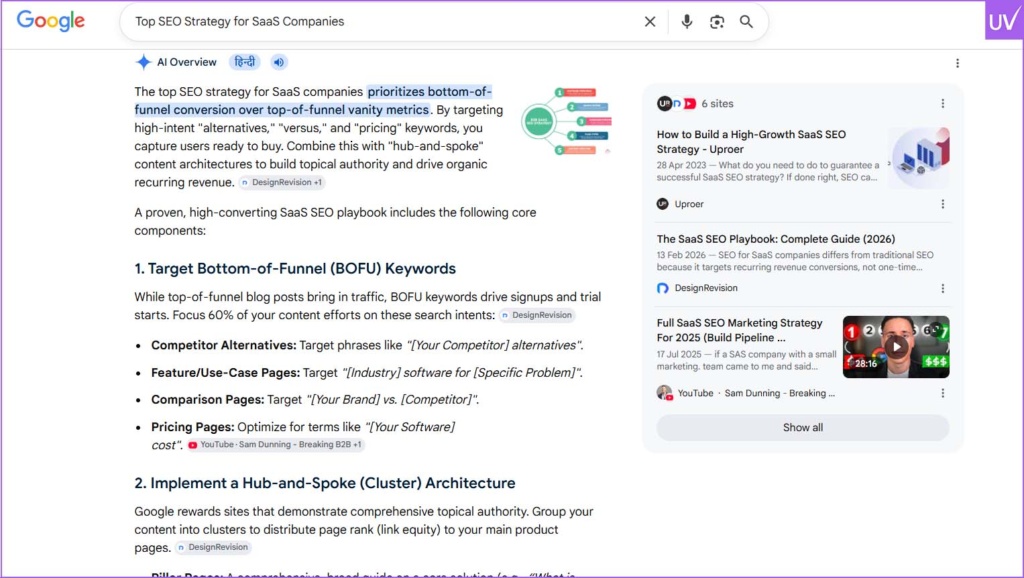
Imagine you search:
“Top SEO Strategy for SaaS Companies”
A couple of years ago, Google would return ten blue links.
You'd open three blogs, read two terrible intros, regret clicking one Reddit thread, and get your answer.
Now?
Google often just skips that whole process.
Instead, it creates an AI summary at the top of the page based on information scraped from multiple websites.
That’s what Google calls AI overviews.
And while they’re easy to use, they’re creating a real headache for publishers, marketers, affiliate sites, SEO teams, and even businesses working with an SEO outsourcing agency.
Because even if your content is technically ranking… users might never scroll down far enough to see it.
That’s the place where you can find terms like:
- AI overview ranking loss
- AI serp coverage problems
- Diagnose serp loss
- Fix AI ranking drops
Begin to explode in the SEO industry.
Businesses suddenly realized something frightening:
Rankings alone no longer guarantee traffic.
That changes the entire SEO game.
Why AI Overviews Are Wrecking Organic Traffic
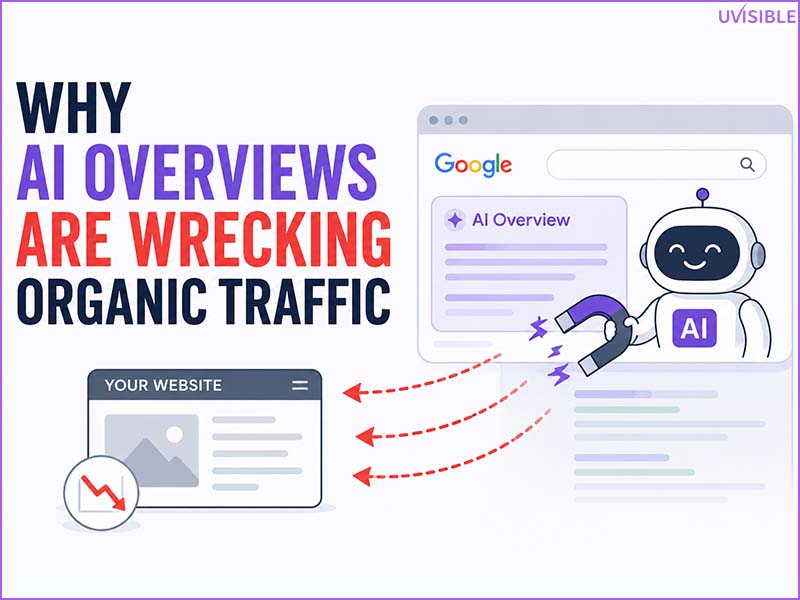
Here’s the fact of the matter.
Google doesn’t want to help users find websites anymore.
It's helping users get things done in the moment.
And AI Overviews are ideal for this.
Instead of sending users to your article, Google now tries to answer:
- Definitions
- Comparisons
- Beginner questions
- Tutorials
- “What is” searches
- Quick recommendations
- Right inside the search results.
The payoff?
Fewer clickers.
Lower click-through rate.
And a shit ton of confused SEO reporting.
A website can still rank #1 and lose traffic because the clickable area on the SERP shrinks dramatically.
If you’ve been tracking the impact of AI on SEO, this shift was inevitable.
Think about modern search results for a moment.
You Google something simple, and all of a sudden, the page is:
- AI Summary
- Paid advertisements
- Featured snippet results
- Reddit discussion threads
- Videos People Also Ask Shopping Cards
- Topics in the forum
By the time users even get to your organic listing, they’re worn out.
Your “top ranking” is more like Position 7.
This is exactly why so many sites are seeing massive drops in traffic and no clear drops in the rankings.
And in fact?
This is just the beginning.
Wait… Is AI Really the Reason Your Traffic Dropped?
Here’s where the fun begins.
Many websites are pointing fingers at AI Overviews for every SEO problem they can think of.
Is traffic down 10%?
“AI killed us.”
Pages not converting?
“Google AI ruined search.
But that’s not always the case.
Sometimes the problem has absolutely nothing to do with AI.
We’ve seen websites lose traffic because of:
- outdated content
- weak EEAT signals
- technical SEO errors
- content cannibalization
- bad internal linking
- slow site speed
- poor search intent targeting
- thin AI-generated articles
- algorithm updates unrelated to AI
That’s why it’s so important to learn how to properly diagnose SERP loss.
Because if you solve the wrong problem, you'll spend months chasing ghosts.
How to Diagnose SERP Loss Without Guessing
This part is more important than people realize.
Before you start changing content, redesigning pages, or panicking on LinkedIn, you need to know what changed.
And fortunately, Google Search Console tells quite an interesting story if you know where to look.
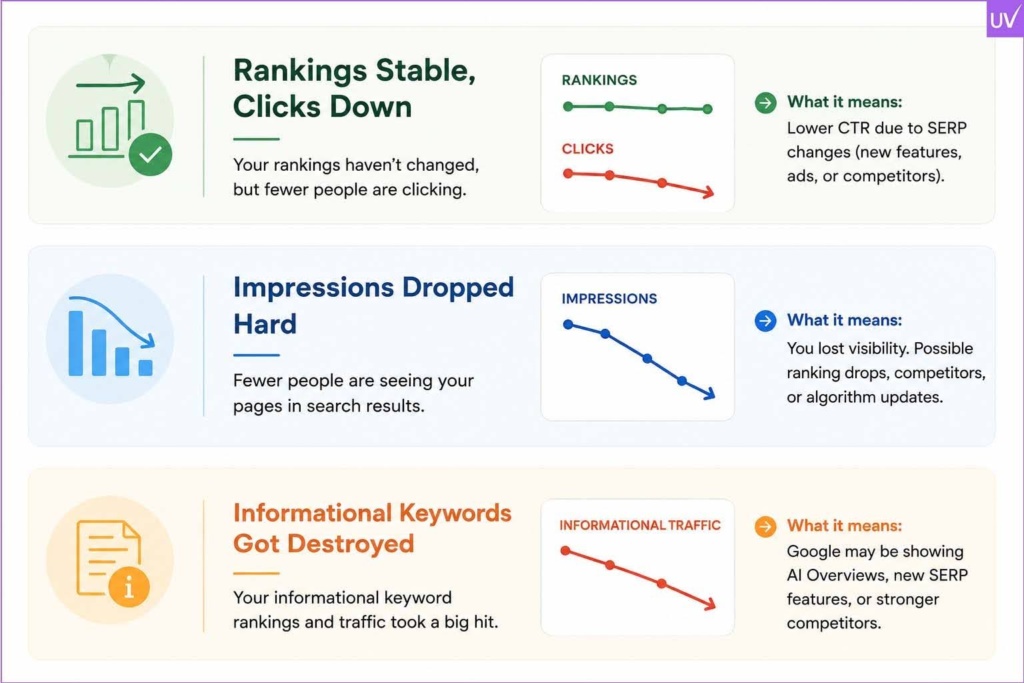
Scenario 1: Rankings Stable, Clicks Down
This is classic AI Overview behavior.
Example:
| Metric | Before AI Overview | After AI Overview |
| Ranking | #2 | #2 |
| Impressions | 120K | 118K |
| CTR | 8.20% | 3.10% |
| Clicks | 9,840 | 3,658 |
You didn’t drop in the rankings.
Your visibility did.
That’s often a sign that Google has added AI-generated summaries on top of your listing.
Scenario 2: Impressions Dropped Hard
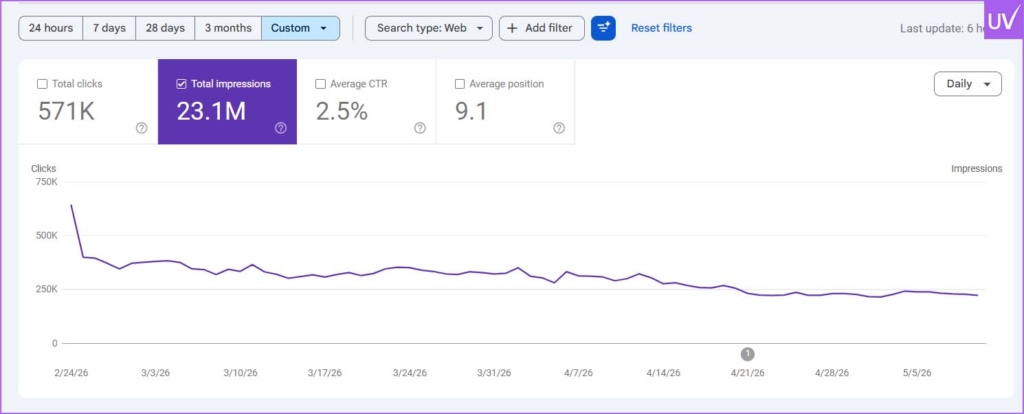
Often this indicates:
- Keyword displacement
- Content irrelevance
- SERP intent changes
- Competitor improvements
- Algorithm volatility
Not necessarily AI Overviews.
Scenario 3: Informational Keywords Got Destroyed
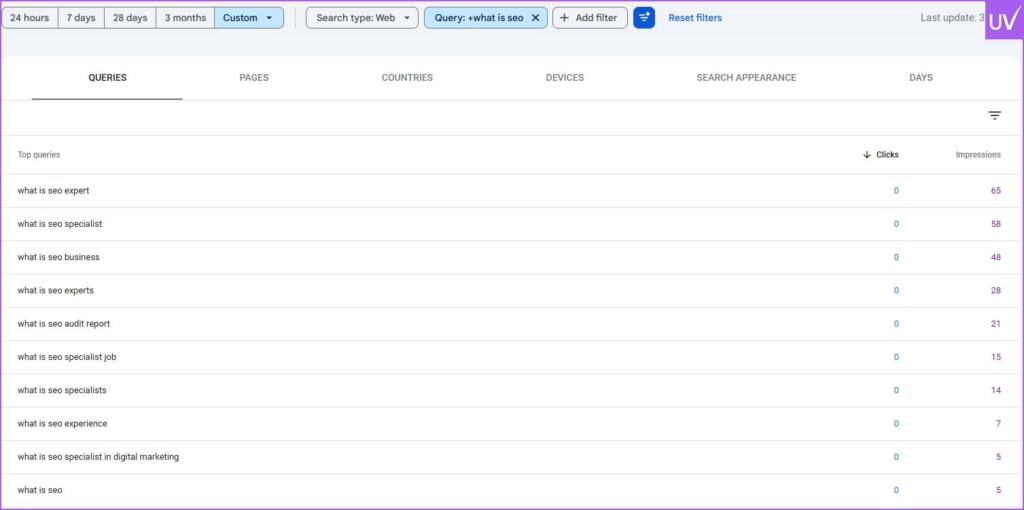
This is a very common one. "
Keywords such as:
- What is SEO?
- How does technical SEO work
- Best CRM software
- Beginner Marketing Guide
Because Google can answer them quickly. "
That’s why informational blogs across different industries are experiencing massive CTR drops.
The New SEO Obsession: Tracking AI Visibility
Traditional rank tracking is no longer enough.
You cannot simply monitor "Position 3" and assume everything is good.
Modern SEO teams must understand:
- Whether AI Overviews appear
- Which sites get cited
- How often AI blocks trigger
- Which keywords lose clicks fastest
- How much SERP real estate disappeared
That is why AI SERP analysis tools are currently increasing in popularity.
Semrush AI Overviews Tracking
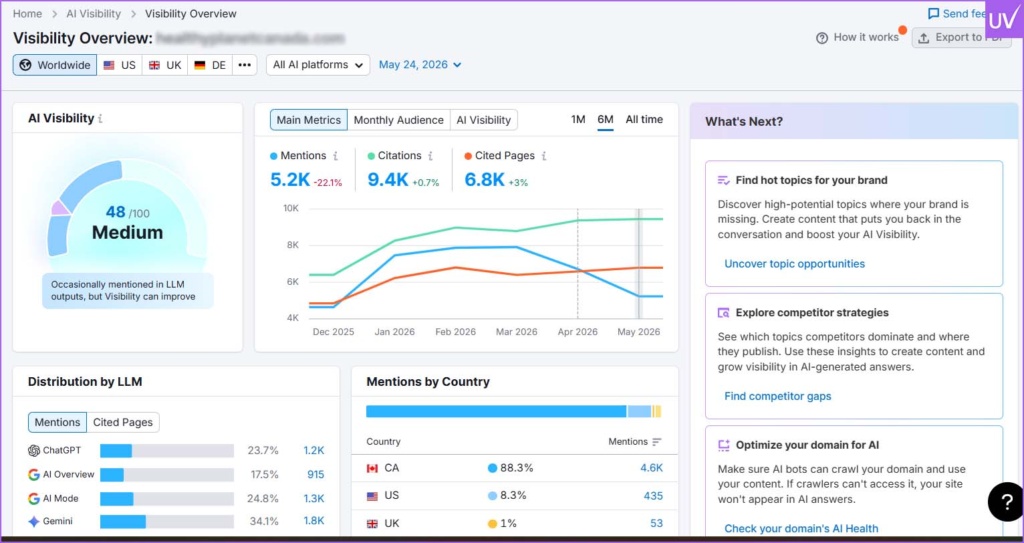
Semrush has begun incorporating AI-focused SERP tracking features, and many SEOs are paying close attention.
Traditional keyword tracking is no longer sufficient to describe modern traffic behavior.
People are specifically looking for:
- Semrush AI overviews
- Semrush alternatives
Using Google AI overviews typically seeks deeper visibility insights.
Things like:
- AI Citation Tracking
- SERP Volatility Monitoring
- CTR decline analysis
- AI detects overviews
- Reports visibility shifts.
And these insights are important.
Because once AI enters the SERPs, traffic patterns drastically change.
Sistrix AI Overviews Tracking Is Also Gaining Attention
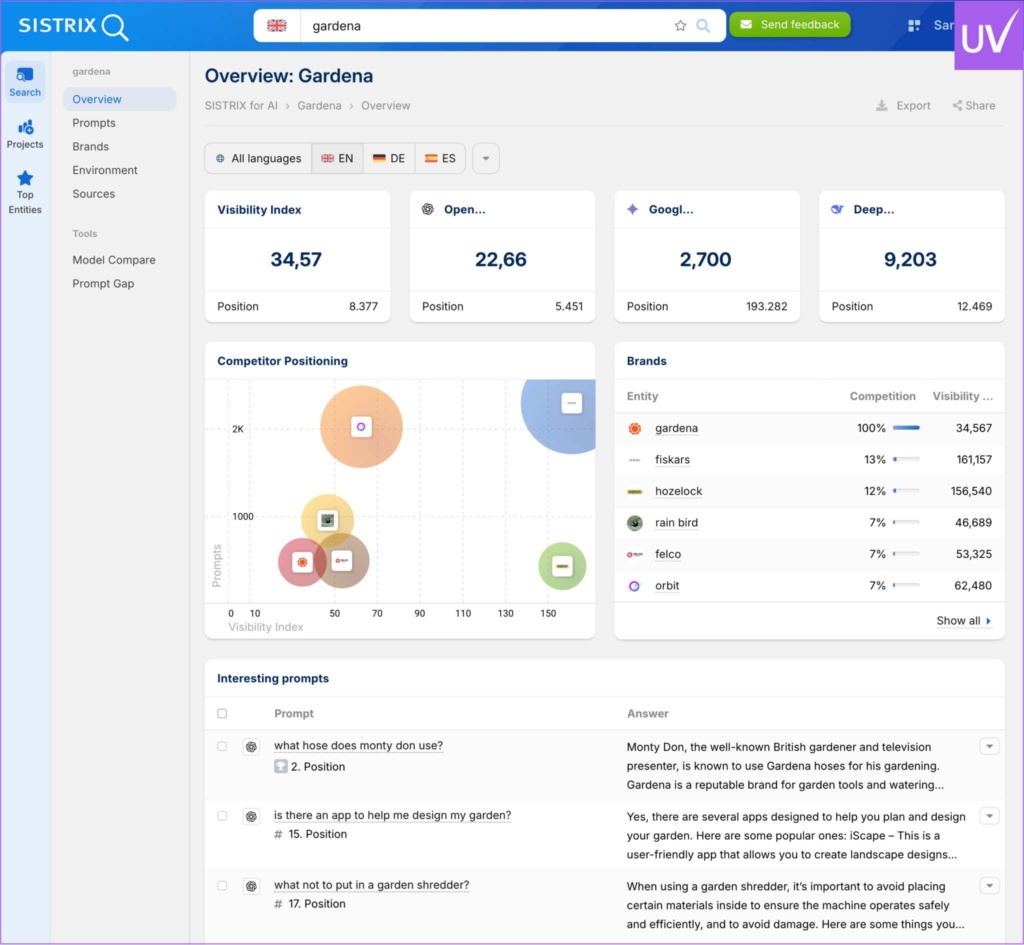
Sistrix is another platform that many SEO professionals are experimenting with.
Especially for diagnosis:
- AI SERP coverage issues.
- Feature displacement
- organic visibility shrinking
- Keyword Volatility
One of the most significant difficulties with AI search today is that most analytics tools still lag what is actually happening within search results.
That's why manual SERP analysis is still relevant.
Sometimes the best technique is to simply search your own terms and analyze the website like a detective.
- Who is being cited?
- What content format appears?
- Are forums dominant?
- Are videos replacing blogs?
- Is Reddit back in the spotlight?
These patterns provide more information than dashboards do.
So… How Do You Actually Recover Traffic?
Now we come to the most important question.
Can websites regain traffic lost due to Google AI Overviews?
Yes.
But here's the catch.
You're unlikely to regain it if you continue to do SEO in the same way you did in 2022.
That form of SEO is rapidly dying.
The new world is far more experience-driven, authority-oriented, and AI-aware.
And strangely enough?
This is actually wonderful news for truly valued brands.
Because lazy content farms are currently facing significant challenges.
Generic Content Is Dying Fast
Let us be honest.
A large portion of the internet says the same thing.
Search for any marketing topic, and you'll find:
- Identical intros
- Recycled definitions
- Fluffy explanations
- Generic advice
- Zero firsthand experience
This type of stuff is quite easy for AI to summarize.
This is also changing the conversation around Google and AI content in a major way.
This means that consumers no longer have to click the source.
If your blog sounds similar to every other blog, Google AI can replace it in seconds.
That's why distinct content is more important than ever.
Currently, the winning websites are publishing:
- Original studies
- Real experiments
- Expert interviews
- Firsthand workflows
- Detailed case studies
- Proprietary frameworks
- Strong opinions backed by evidence
Artificial Intelligence (AI) can summarize information.
However, it struggles to imitate true competence.
That's your competitive advantage.
EEAT Isn’t Optional Anymore
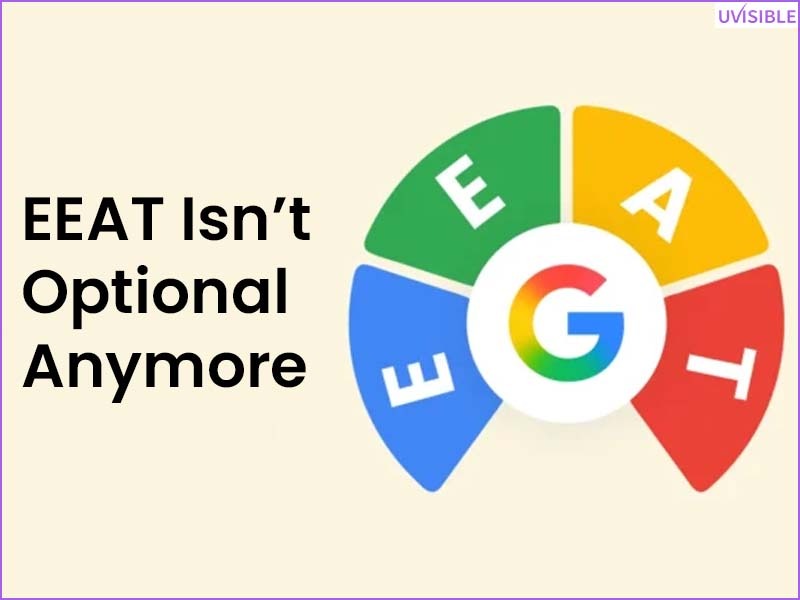
For years, Google discussed EEAT:
- Experience
- Expertise
- Authoritativeness
- Trustworthiness
Many marketers ignored it.
A big mistake.
Because AI search systems are progressively prioritizing credible sources.
This means:
If your material appears ambiguous, generic, or mass-produced, it will be less useful in AI-driven SERPs.
Meanwhile, content with:
- Real examples
- Expert commentary
- Screenshots
- Original data
- Transparent processes
- Industry experience
This is why "human-first content" is suddenly important again.
Ironically, AI search is making the internet more human.
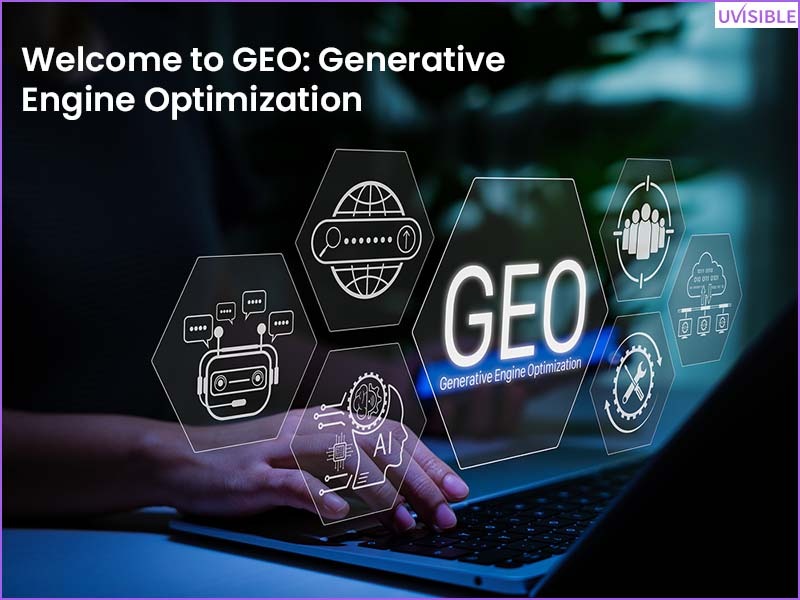
Welcome to GEO: Generative Engine Optimization
SEO is growing.
Rapidly.
And one of the biggest conversations happening in the industry right now is GEO vs SEO.
Generative Engine Optimization.
Instead of just optimizing for rankings, GEO prioritizes AI-generated search experiences.
In simple words:
You no longer ask:
"How do I rank #1?"
You are asking:
"How do I become the source that AI respects enough to mention?"
A huge difference.
And honestly?
That mindset adjustment alters everything.
GEO Strategies That Actually Work
Let's move on from the repeated LinkedIn advice and talk about something more useful.
Structure Content Clearly
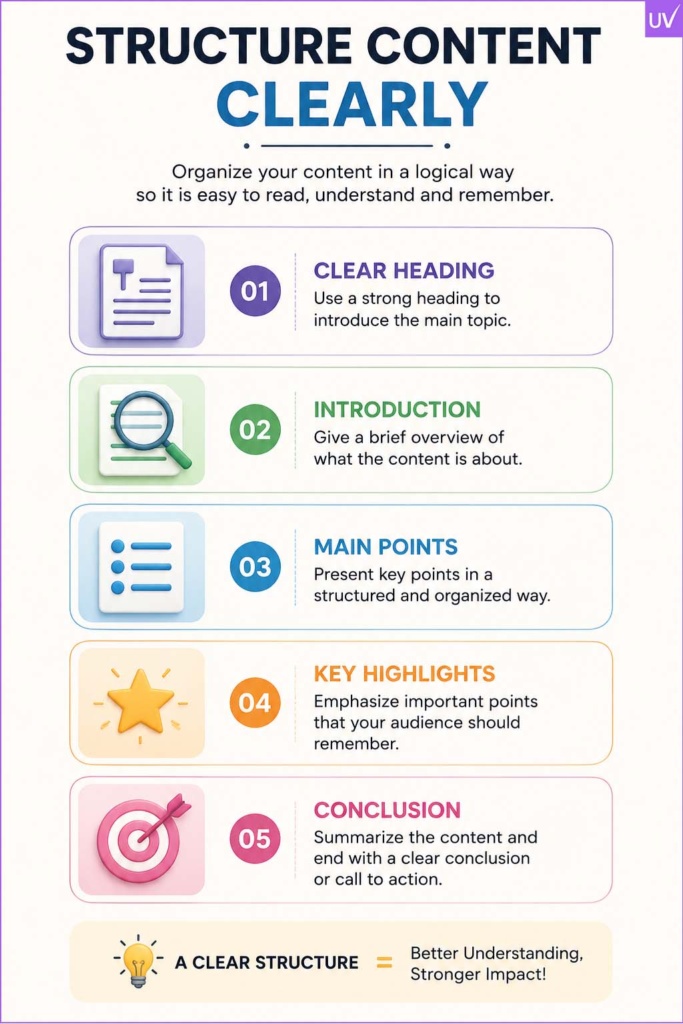
AI systems prefer structured data.
This means:
- Clean headings
- Concise explanations
- Bullet points
- Tables
- FAQs
- Step-by-step formatting
Walls of text perform poorly for both people and AI parsers.
Answer Questions Faster
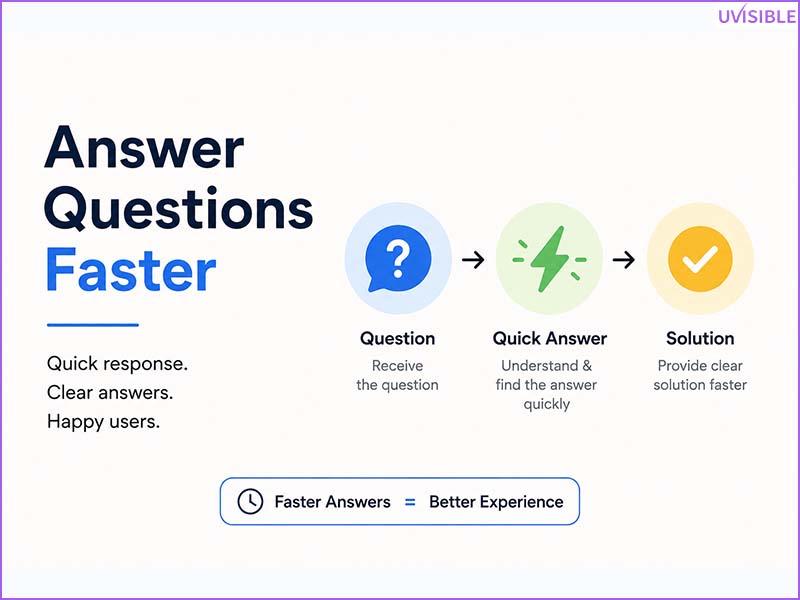
Nobody wants a 700-word introduction to the "history of SEO."
Users want answers.
So does AI.
Lead with clarity.
Then expand in depth.
This improves:
- Snippet potential
- AI citation chances
- Readability
- Engagement
Build Topic Clusters
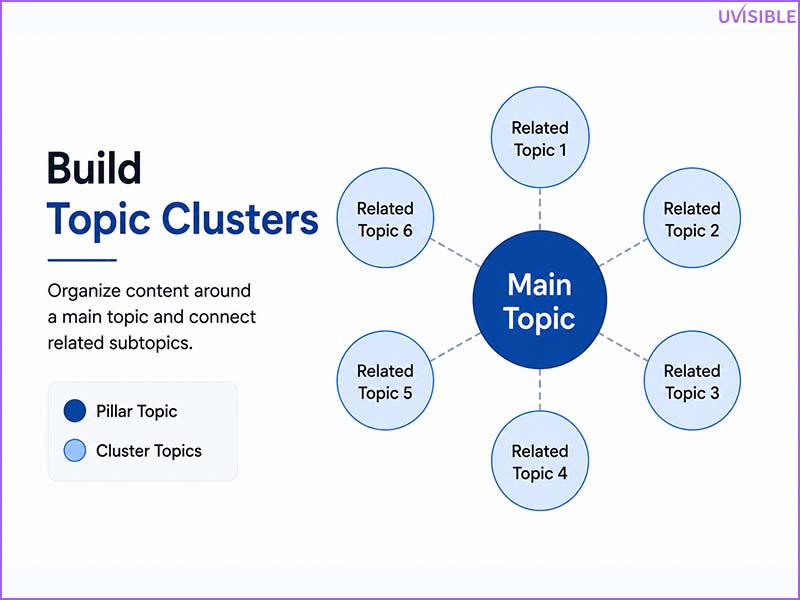
A single blog post is no longer sufficient to create authority.
Google is progressively rewarding websites that thoroughly cover entire topics.
Instead of a single post about AI SEO, generate supporting content around:
- AI overview ranking loss
- Zero-click searches
- AI search optimization
- GEO strategies
- SERP visibility analysis
- AI citation optimization
- CTR recovery methods
This generates topical authority, which AI systems rely significantly on.
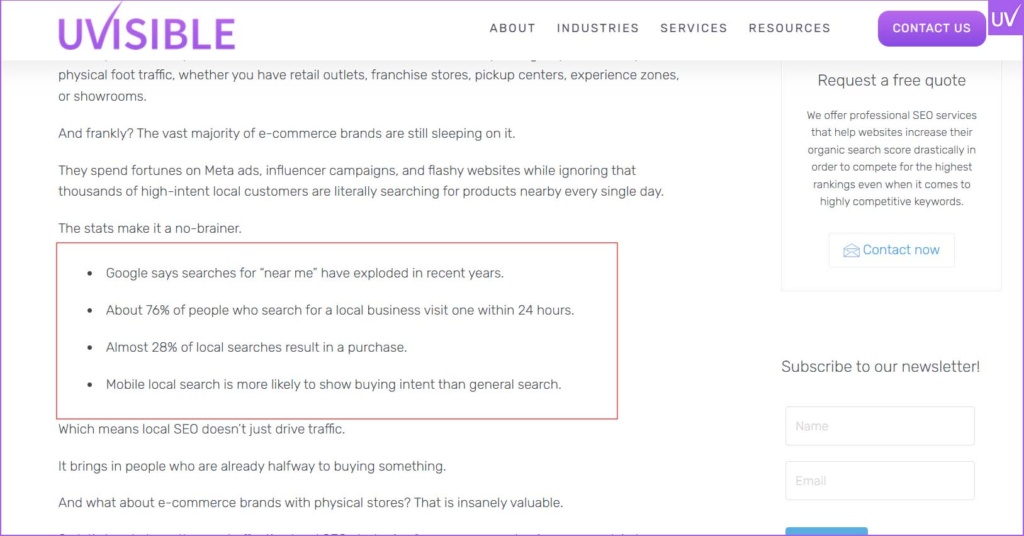
Publish Original Statistics
Here is something fascinating.
AI systems love unique data.
Why?
Because the original research is difficult to replicate.
That means polls, studies, benchmarks, and private insights have suddenly become valuable SEO assets.
If your brand can provide original content, you will immediately enhance your chances of receiving AI citations.
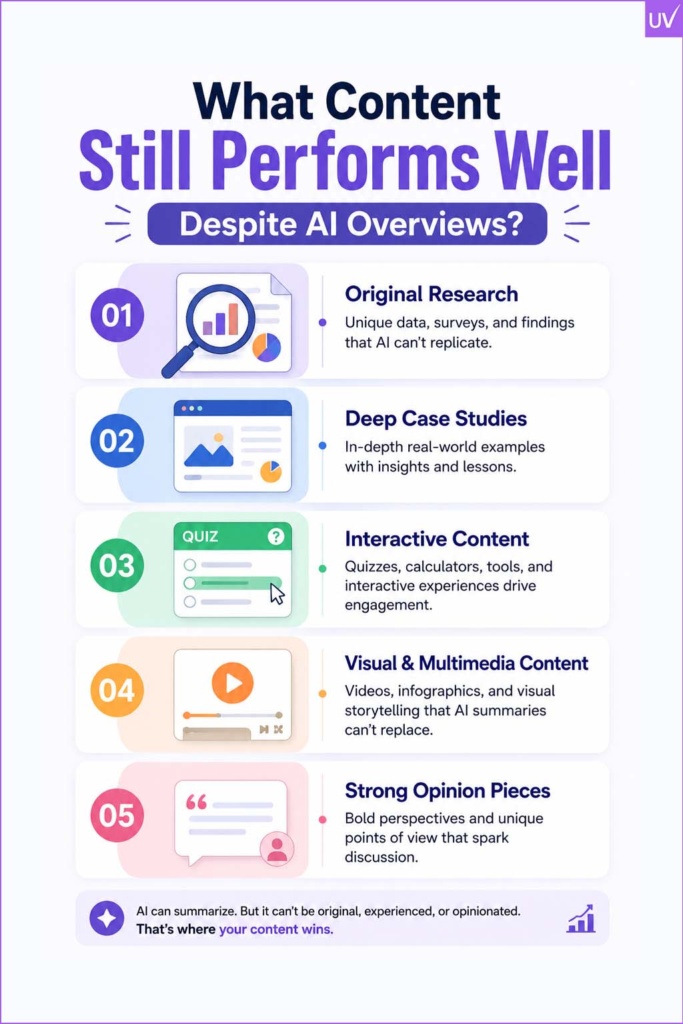
What Content Still Performs Well Despite AI Overviews?
Not all content suffers equally.
Some formats are genuinely flourishing.
Original Research
People still click on unique data.
Always.
Because AI summaries can reference statistics, users frequently seek the source.
This is exactly where low-value AI written Content starts struggling the most.
Deep Case Studies
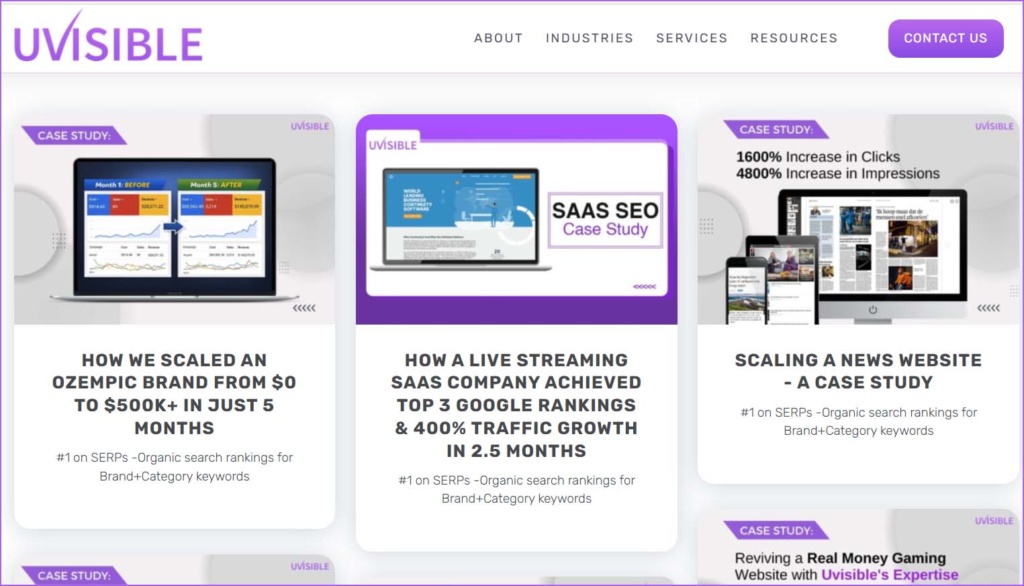
Real-world experiences continue to trump generic summaries.
Particularly when they include:
- Screenshots
- Workflows
- Mistakes
- Outcomes
- Strategy breakdowns
Interactive Content
This category is boosting.
Things like:
- Calculators
- Templates
- Quizzes
- Audits
- Tools
- Worksheets
Make engagement AI summaries simply cannot replace.
Strong Opinion Pieces
What is your opinion?
For many years, the internet grew far too generic.
Now personality and knowledge are important again.
Users are increasingly trusting authors and brands with strong viewpoints.
Can You Fully Recover Organic Traffic?
Sometimes.
Sometimes not.
That's the realistic answer that no one wants to hear.
Certain low-intent informative clicks may never fully recover.
However, websites can completely restore growth by focusing on:
- Authority
- Originality
- Conversion quality
- GEO optimization
- AI citations
- Stronger branding
- Audience ownership
This is also why working with a reliable Technical SEO audit company is becoming increasingly important in the AI search era.
Benefits of AI include improved branding, audience ownership, and citations.
In many circumstances, organizations develop more resilient traffic ecosystems than before.
Which is ultimately more important?
Final Thoughts
Google AI overviews aren't the end of SEO.
However, they are the end of lazy SEO.
The winning websites in 2025 and beyond will create material that:
- Teaches something valuable
- Shares genuine experience
- Offers unique perspectives
- Structures information clearly
- Earns trust
- Builds community
- Becomes memorable
Because current SEO is more than just ranking.
It is about becoming the source that people — and AI systems — can trust.
And are brands adapting early?
They will rule the next era of search.
Need Help Recovering Traffic in the AI Search Era?
Uvisible helps brands adapt to modern search with:
- AI-focused SEO strategies
- GEO optimization
- technical SEO audits
- EEAT-driven content
- AI visibility tracking
- Conversion-focused content ecosystems
That’s why businesses searching for the best SEO company are now prioritizing agencies that understand AI-driven search behavior, not just traditional rankings.
Because, in the age of Google AI Overviews, rankings are no longer enough.
You need authority, visibility, and a plan designed for the future of search.
About us and this blog
We are a digital marketing company with a focus on helping our customers achieve great results across several key areas.
Request a free quote
We offer professional SEO services that help websites increase their organic search score drastically in order to compete for the highest rankings even when it comes to highly competitive keywords.
Subscribe to our newsletter!
More from our blog
See all posts


Recent Posts
- Zero-Click Searches: How to Still Get Traffic in 2026 June 29, 2026
- WordPress SEO Mistakes That Hurt Rankings June 15, 2026
- E-commerce SEO Audit Checklist for Shopify Stores June 1, 2026
Pingback: Zero-Click Searches: How to Still Get Traffic in 2026 - Uvisible