
If your local SEO keyword research isn't bringing in leads, it's not because SEO doesn't work; it's because you're going after the wrong intent.
Most companies want to be seen by as many people as possible. They chase generic rankings, celebrate spikes in traffic, and still don't understand why conversions don't follow.
The real opportunity lies in local keyword research, which targets people actively looking for services in their area.
When someone types "local digital marketing" into a search engine, they are looking for something.
They're ready to act when they look for "digital marketing services near me."
Real growth starts when you switch from general keywords to local SEO keywords.
What Is Local Keyword Research (And Why It Matters)
Local keyword research is the process of finding the words people use to search for services in a certain area.
But this isn't just about putting in location words. It's about knowing how people act when closeness is a factor in their choices.
For example, an HVAC SEO agency evaluates these real search patterns to understand what potential customers are actually typing into Google when they need HVAC services. This helps businesses target high-intent keywords that lead to calls, bookings, and real revenue.
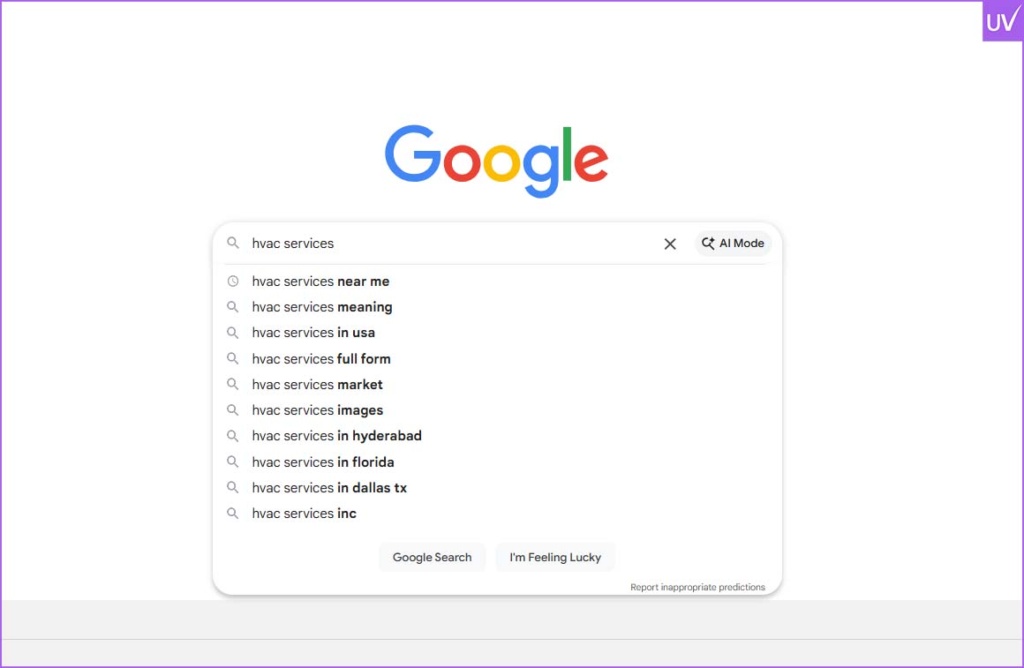
People search for things like:
- HVAC services near me"
- "AC repair near me"
- "emergency HVAC technician near me"
People are looking for these things, not just out of curiosity.
That's why keyword research for local SEO is very different from keyword research for traditional SEO. It's not about how many people visit; it's about how relevant and useful it is.
Why Local SEO Keywords Drive Better Results

Businesses that do localized keyword research get results faster and more consistently for a reason.
First, there are fewer competitors. You're not competing on a global scale anymore; instead, you're competing in a specific area with location-based keywords.
Second, the intent gets stronger. Users who search with geographic signals are closer to making a choice.
Third, the way to conversion is shorter. These people don't need to be convinced; they need choices.
This is why a well-thought-out local search strategy often works better than bigger SEO campaigns.
Types of Local Keywords You Need to Target
A strong local keyword research and optimization strategy starts with understanding keyword types.
Location-Based Keywords

These are the most direct types of location-specific keywords. They have a clear geographic purpose and are often found on service pages.
Some examples are:
- SEO company near me
- Marketing agency near me
- Local SEO for a plumber
- Roofing local SEO company
These keywords are very important for local keyword SEO because they match what users are looking for.
“Near Me” Keywords
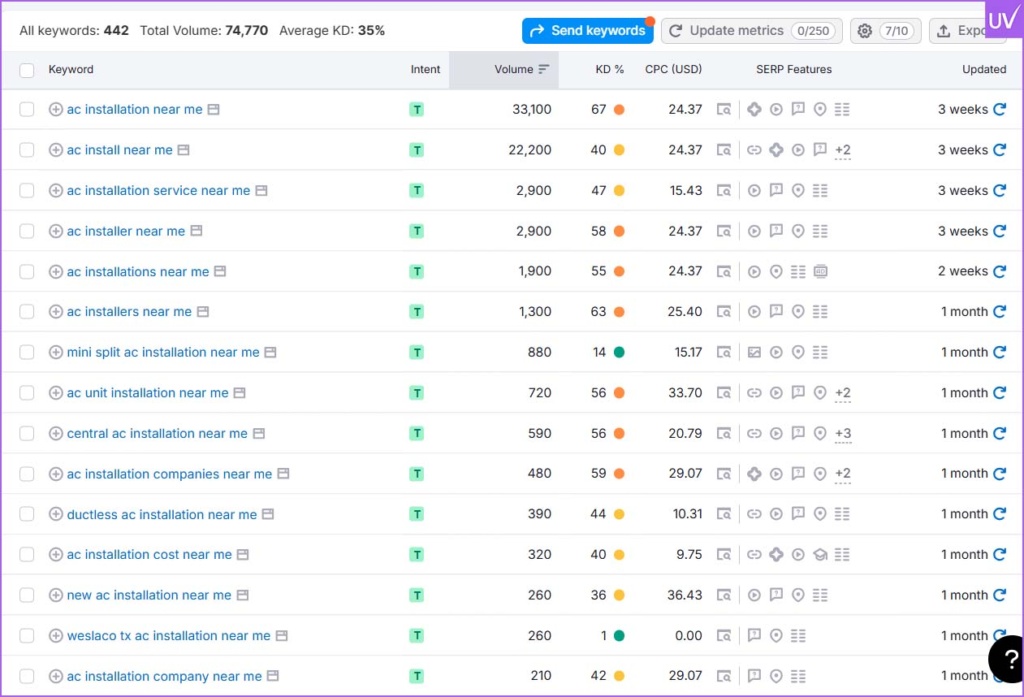
People who search for "near me" are a big part of local SEO. They depend on where the user is and often mean that something needs to be done right away.
If you want your business to show up for local keywords with a high conversion rate, these keywords are very important.
Long-Tail Local Keywords
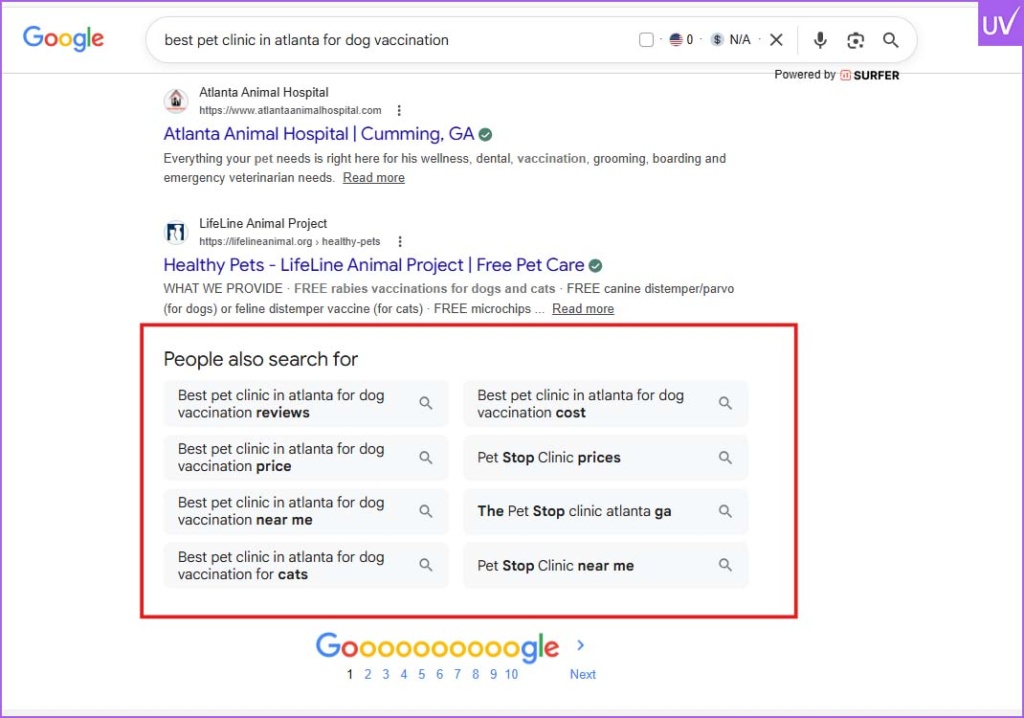
Long-tail queries are very important for a localized keyword strategy. They might not get as many searches, but they usually give better results.
They are very helpful for keyword research when you want to reach a specific group of people.
How to Do Local Keyword Research

If you’re wondering how to do local keyword research, the answer lies in a structured approach—not guesswork.
Start With Core Services
The first step in keyword research for a small business is to define what you offer—especially if you're investing in local SEO services for a small business to attract nearby customers.
These are the first steps you need to take to find local SEO keywords.
Expand With Location Modifiers
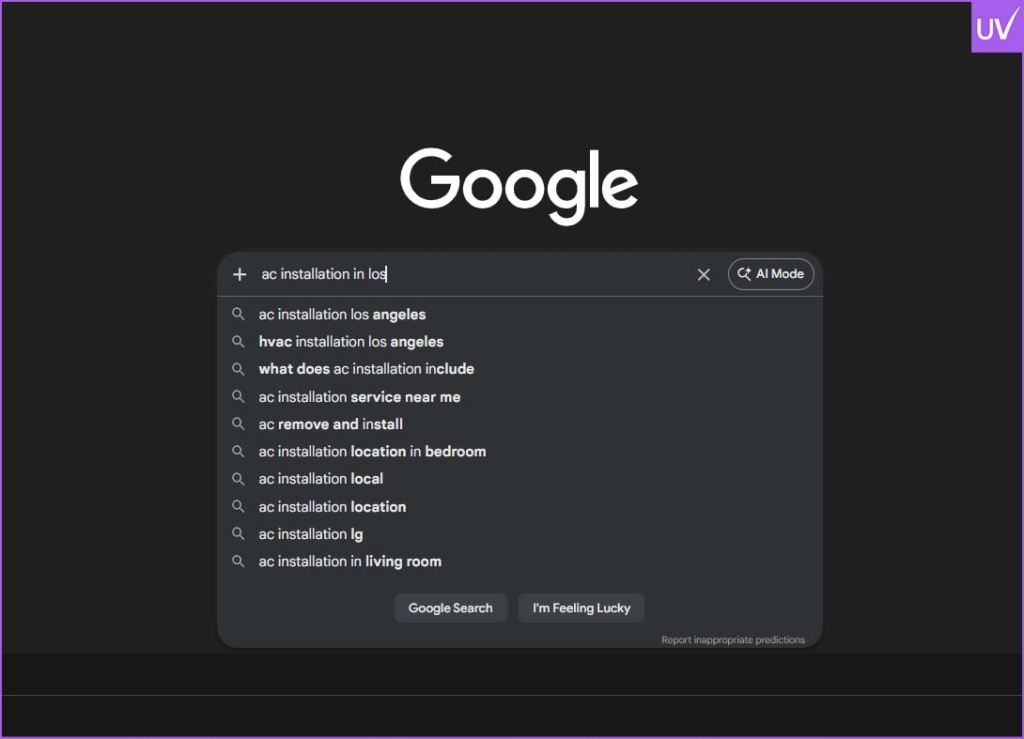
Make your base keywords into keywords that are based on location.
This step is very important for keyword research by location, where geography becomes part of the keyword structure.
Use Tools to Find Local Keywords
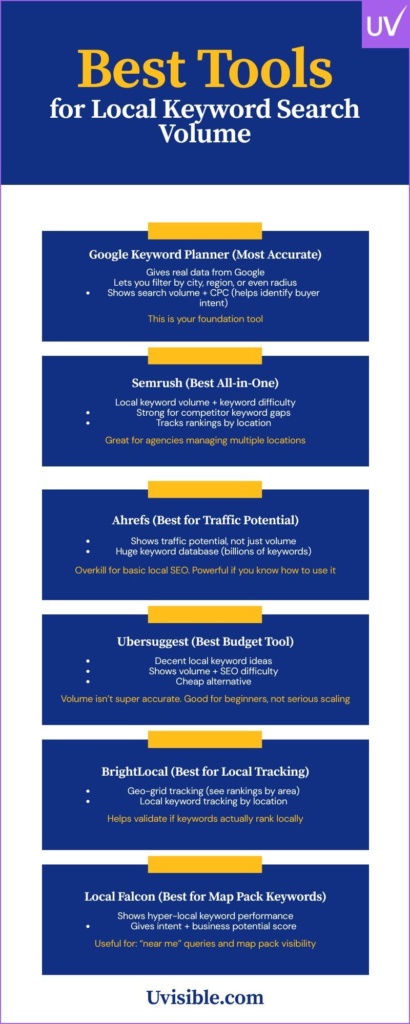
You need reliable tools to make your process bigger.
A good local keyword search tool or keyword search volume tool can help you:
- Analyze demand
- Find differences
- Know your competition
This is where tools for generating local keywords and checking search volume come in.
Analyze Local Search Volume
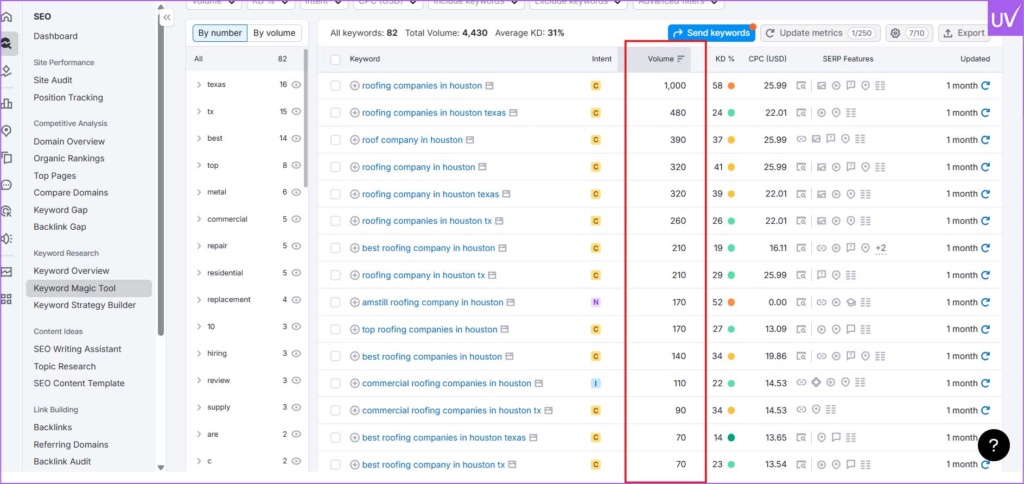
It's very important to know how many people are searching for local keywords.
A keyword might be very popular around the world but not very useful in your area. That's why it's important to use a keyword search volume checker when you're planning your local SEO research.
Study Competitors
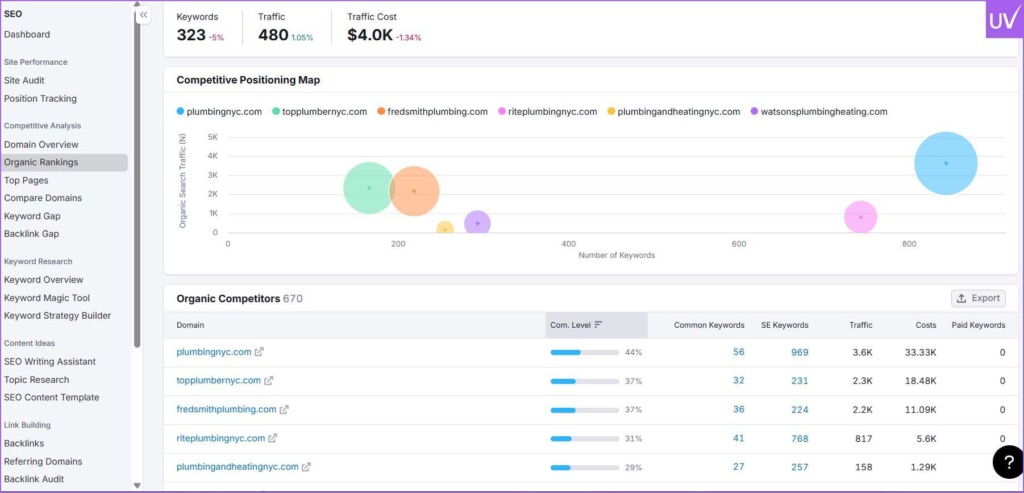
Competitor analysis is one of the most important but often ignored parts of keyword research for local SEO.
You can learn a lot by looking at your competitors.
- Find gaps
- Find keywords that work well
- Make your own local search strategy better for optimization.
Understand Search Intent
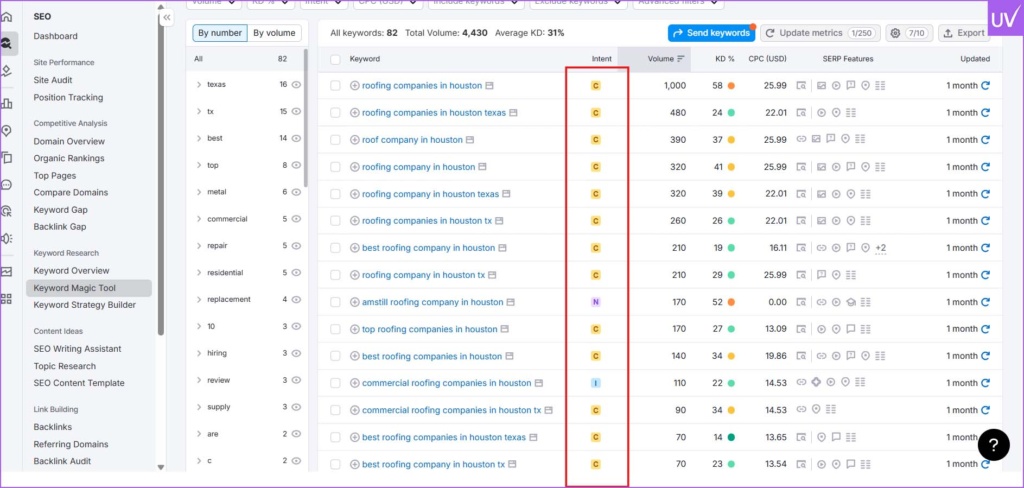
Your strategy will fail if you don't pay attention to intent.
Intent is what makes a keyword drive traffic or conversions in local SEO keyword research.
Prioritize Keywords Strategically

Not all keywords should get the same amount of attention.
You should try to find a balance between:
- Search volume
- Intent
- Competition
This is where your method for doing keyword research becomes very important.
The Role of Search Volume in Local SEO
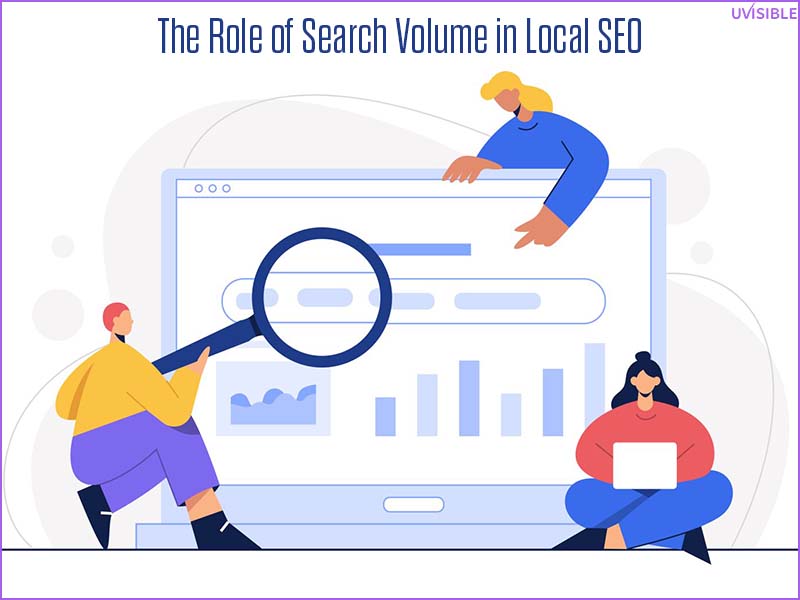
In SEO keyword research guide tactics, search volume is frequently misinterpreted.
High-volume keywords may be outperformed by a lower-volume term with strong local intent.
Thus, instruments such as:
- A tool for keyword search volume
- Volume checker for searches
- Platforms for researching term volume
…are helpful, but only in conjunction with context.
Local Keyword Optimization: Turning Research Into Results
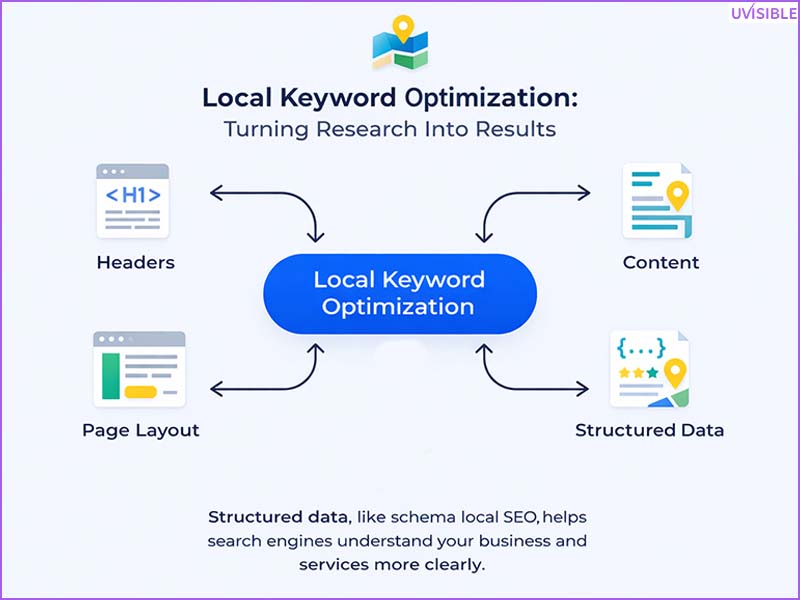
Identifying keywords is only the first step. Local keyword optimization is what really makes a difference.
You should incorporate your keywords into:
- Headers
- Page layout
- Content
Structured data, like schema local SEO, helps search engines understand your business location and services more clearly.
Common Mistakes in Local Keyword Research

Many companies face difficulties because they
- Instead of focusing on local keywords, choose broad ones.
- Disregard the purpose of local searches
- Ignore local keyword monitoring
- Misuse tools without comprehending the data
Long-term success in local SEO research for content marketing depends on avoiding these blunders.
Advanced Tips for Local Keyword Strategy

To move beyond the fundamentals, concentrate on:
- Using local keyword tracking to monitor keyword performance
- To increase reach, use regional keywords
- Maintaining and improving your local search approach
These are the strategies that help you regularly rank higher for local keywords.
Final Thoughts
Local keyword research is fundamentally about relevancy rather than ranking.
Businesses that target the appropriate keywords—rather than the most—are the ones that thrive.
Rankings become a byproduct rather than the objective when your local SEO keyword research is in line with actual user intent.
Work with Uvisible
Building strategies that go beyond visibility is our main emphasis at Uvisible.
We assist companies in identifying, targeting, and converting high-intent traffic utilizing tried-and-true local keyword research and optimization techniques, from keyword research for local SEO to full optimization frameworks.
The right keywords are the first step towards turning search into revenue, which is where we can help.
FAQs
What is local keyword research in SEO?
Local keyword research is the process of finding the words people use to look for goods and services in a certain area. These keywords usually have location-based phrases like "near me" or service-related questions with a local focus. It helps businesses get traffic that is very relevant and more likely to turn into sales.
How to do local keyword research step by step?
To do keyword research for your area, first figure out what your main services are. Then add location-based words like "near me" or city-specific terms. Use a keyword search volume tool to figure out how much demand there is, look at your competitors to find gaps, and rank keywords based on how relevant and useful they are. This organized method makes sure you focus on local SEO keywords that convert well.
How do I find local keywords for my business?
Google autocomplete, looking at related searches, and local keyword research tools can all help you find local keywords. Pay attention to keywords that include both service terms and location intent. You can also find high-performing local keywords by looking at the websites of your competitors and using a keyword search volume checker.
Why are local SEO keywords important?
Local SEO keywords are important because they help people find services in their area when they are looking for them. These users usually have a stronger intent, which leads to more engagement and higher conversion rates. Using local keywords also makes it easier to get to the top of local search results because there is less competition.
What tools are used for local keyword research?
Keyword search volume tools, SEO keyword research tools, and local keyword tracking tools are all common tools for doing keyword research in your area. These tools help you find keyword opportunities, look at search volume, and keep track of how well your ads are doing in different places. But how well these tools work depends on how well the data is used to make a local SEO plan.
About us and this blog
We are a digital marketing company with a focus on helping our customers achieve great results across several key areas.
Request a free quote
We offer professional SEO services that help websites increase their organic search score drastically in order to compete for the highest rankings even when it comes to highly competitive keywords.
Subscribe to our newsletter!
More from our blog
See all posts




Recent Posts
- Zero-Click Searches: How to Still Get Traffic in 2026 June 29, 2026
- WordPress SEO Mistakes That Hurt Rankings June 15, 2026
- E-commerce SEO Audit Checklist for Shopify Stores June 1, 2026