
Some collection pages stop ranking
Google will no longer index some products.
Adding more apps will slow down site speed.
Organic clicks are dropping month over month.
Next thing you know, your store is 100% reliant on paid advertising.
That’s why proper Shopify SEO services and a complete e-commerce SEO audit checklist for Shopify stores are important.
This is not a generic “add more keywords” kind of checklist.
A real audit that helps to uncover:
- Technical SEO issues
- Replication issues
- Indexing problems
- Poor collection pages
- Slow loading product pages
- Internal linking gaps
- Search Problems in AI
Because modern e-commerce SEO is not just about rankings anymore.
It’s about building a Shopify store that the search engines respect.
And truthfully?
99% of stores are leaking organic traffic without even knowing it.
So let’s break down the most important areas every Shopify SEO audit should cover.
Why Every E-commerce SEO Audit Checklist for Shopify Stores is Essential
In e-commerce, there's a common myth that Shopify "does SEO automatically."
Not much.
Yes, Shopify has a good SEO base compared to many older e-commerce platforms. But improving Shopify SEO still depends a lot on:
- Crawlability
- Site structure
- Content quality
- Core Web Vitals
- Internal linking
- Mobile UX
- Collection optimization
- Technical SEO
And e-commerce stores get messy over time, of course.
Products are deleted.
Apps add unnecessary scripts.
Collections overlap.
URLs multiply.
Filter pages get indexed.
These issues can silently accumulate without regular SEO audits until rankings start to drop.
Common Shopify SEO problems:
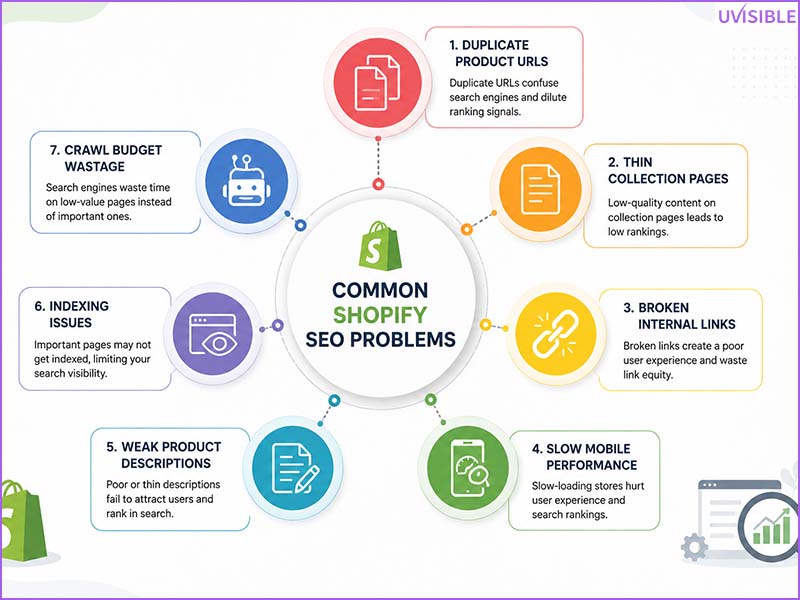
- Duplicate product URLs
- Thin collection pages
- Broken internal links
- Slow mobile performance
- Weak product descriptions
- Indexing issues
- Crawl budget wastage
That’s why SEO audits are essential for sustainable e-commerce growth.
Shopify Technical SEO Audit: Start With Crawlability and Indexing
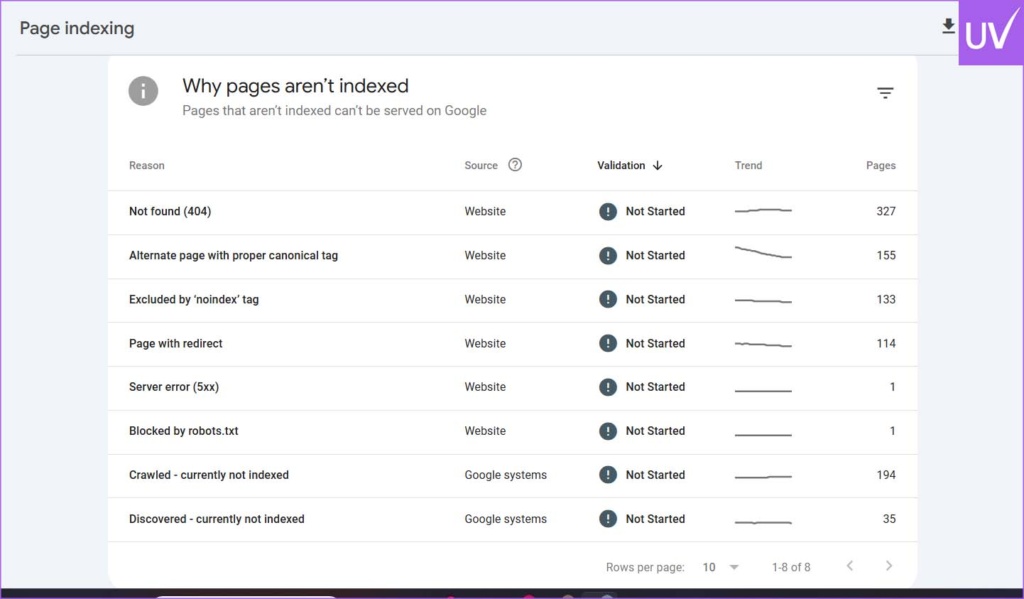
Before you get caught up in backlinks or blog content, make sure Google can crawl your Shopify store properly.
Because if search engines don’t understand your website structure, it’s hard to rank.
This is one of the biggest technical SEO issues in e-commerce on Shopify.
Particularly for large stores.
Shopify often creates useless URLs by:
- Faceted navigation
- Collection filters
- Tags
- Pagination
- Product variants
And Google ends up crawling low-value pages instead of the important revenue-driving URLs.
This is exactly why your full crawl analysis should be the first step of any technical SEO audit checklist.
Best tools for Shopify SEO audits and e-commerce SEO optimization:
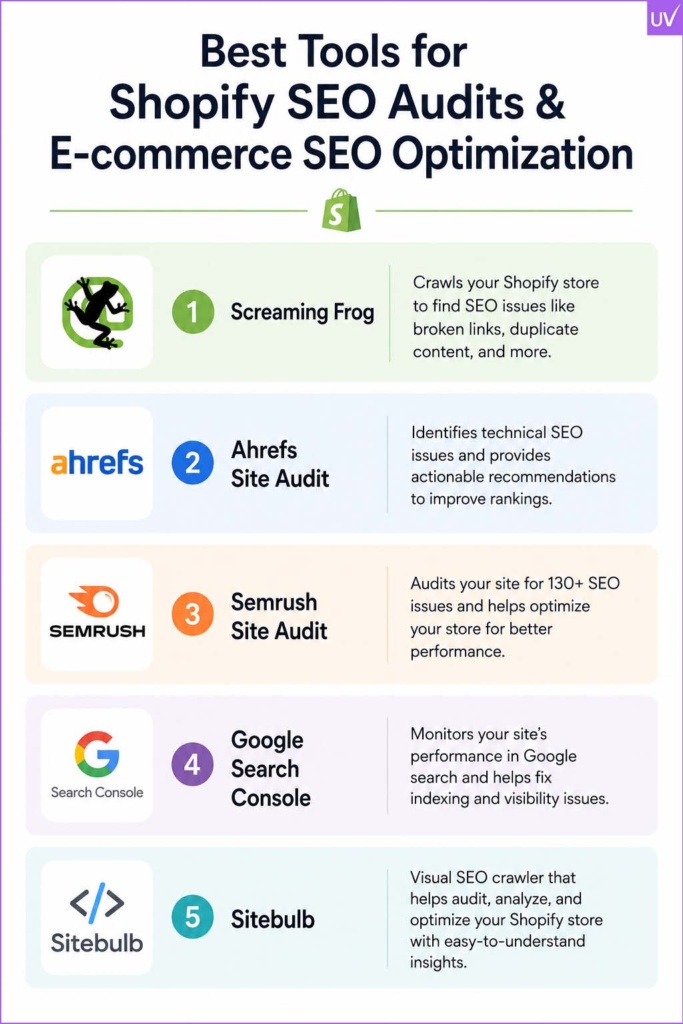
- Screaming Frog
- Ahrefs Site Audit
- Semrush Site Audit
- Google Search Console
- Sitebulb
These ecommerce SEO tools help identify hidden technical SEO issues like:
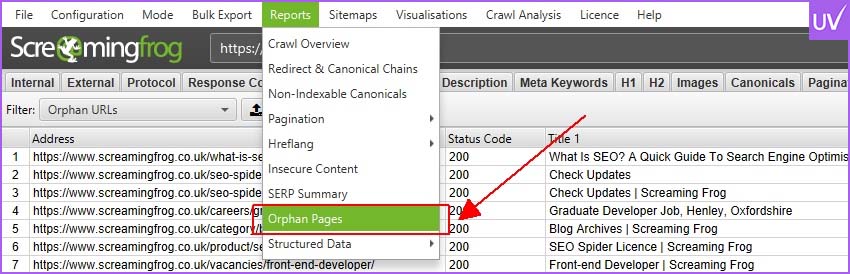
- Orphan pages
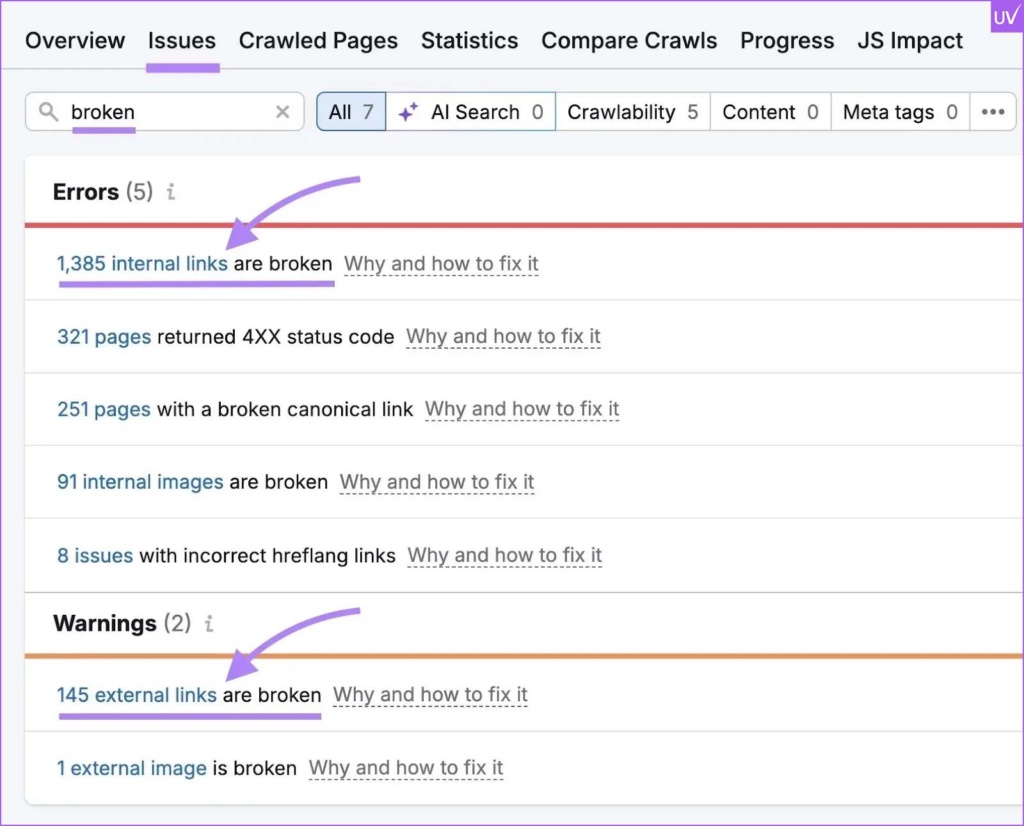
- Broken redirects
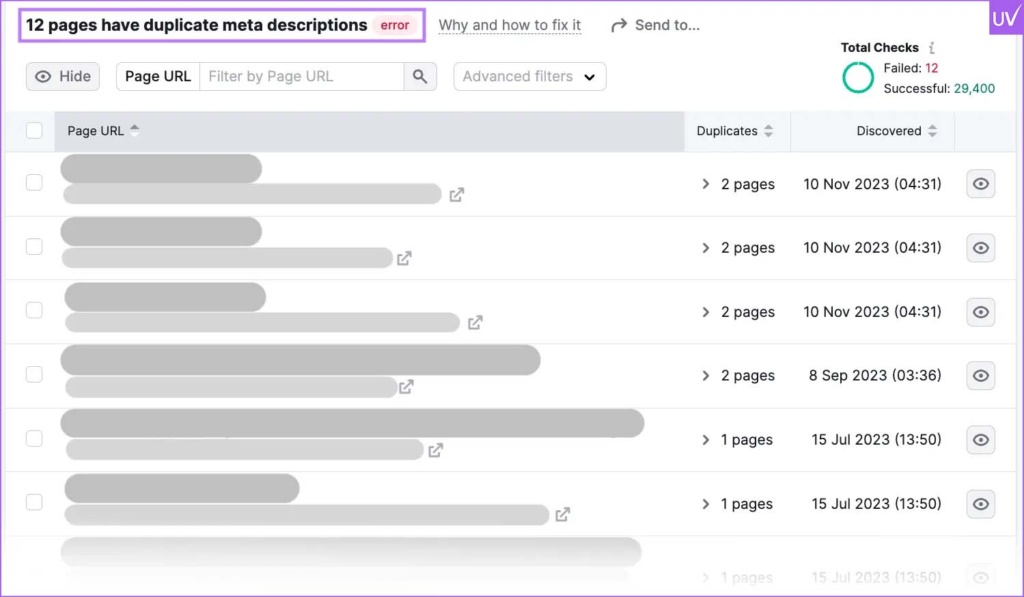
- Duplicate metadata
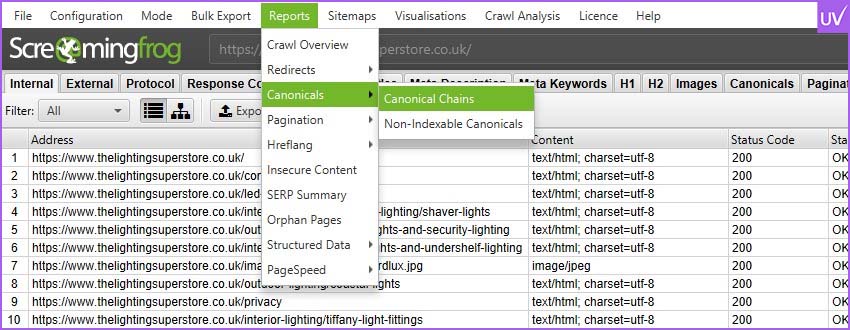
- Canonical conflicts
- Non-indexed product pages
Key things to check:
- Indexed vs non-indexed pages
- Duplicate URLs
- Broken internal links
- Redirect chains
- Crawl depth
- Canonical tags
Fixing a crawlability problem often improves rankings faster than publishing new content.
Duplicate Content Problems in Shopify SEO
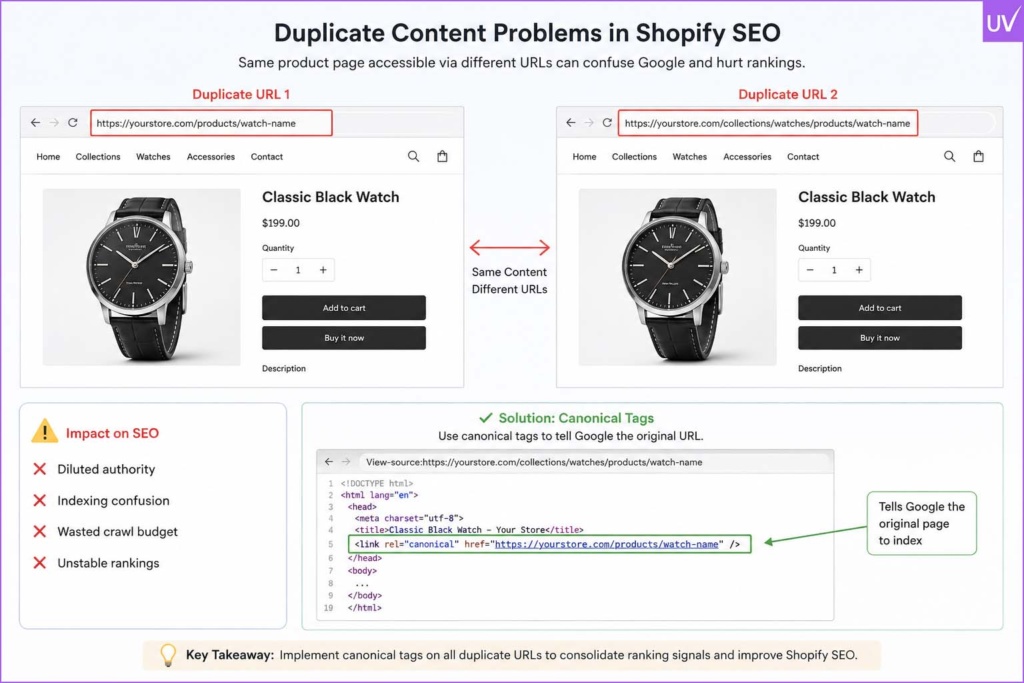
Duplicate content is one of the biggest SEO problems for Shopify stores.
And many store owners don't even know it exists.
For example, Shopify can generate different versions of the same product page:
/products/watch-name
and
/collections/watches/products/watch-name
To users, they look the same.
But to Google?
They can appear as duplicate pages that compete with one another.
This builds:
- Diluted authority
- Indexing confusion
- Wasted crawl budget
- Unstable rankings
That’s why canonical tag optimization is a critical part of Shopify technical SEO and a core focus area for any experienced ecommerce SEO company.
During your Shopify SEO audit, check:
- Duplicate collection paths
- Indexed filter URLs
- Pagination handling
- Canonical consistency
- Duplicate metadata
A weak canonical setup can silently affect hundreds of product pages.
E-commerce Site Speed Optimization for Shopify SEO
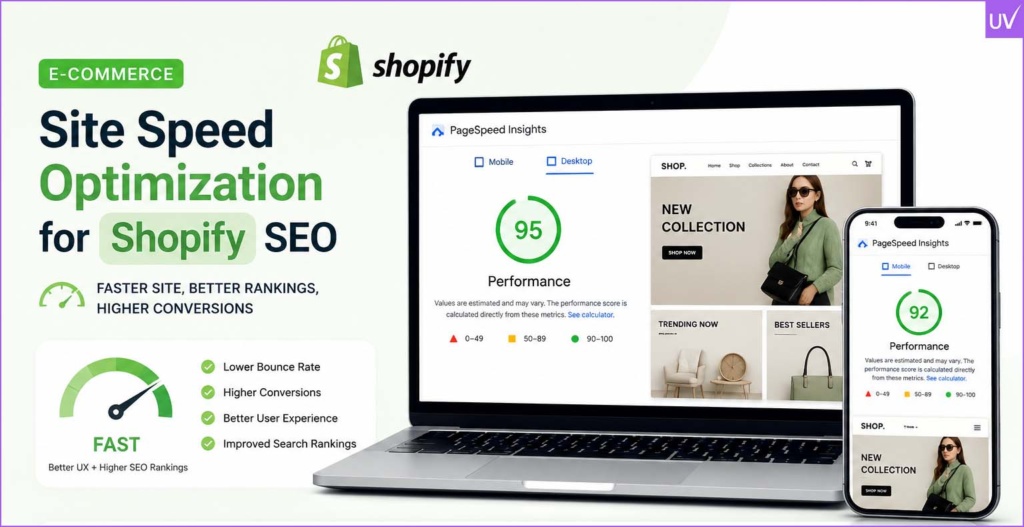
Let's be honest.
Most of the Shopify stores are slow.
It’s mostly apps.
Each additional app adds scripts.
Every script adds to the loading time.
Every second that passes is damaging for rankings and conversions.
Google is now placing greater weight on Core Web Vitals for e-commerce websites.
Especially for mobile devices.
That means optimizing site speed is no longer optional.
Common Shopify speed problems:
- Oversized images
- Bloated themes
- Autoplay videos
- Excessive JavaScript
- Unnecessary Shopify apps
- Third-party tracking scripts
Tools to test Shopify speed:
- Google PageSpeed Insights
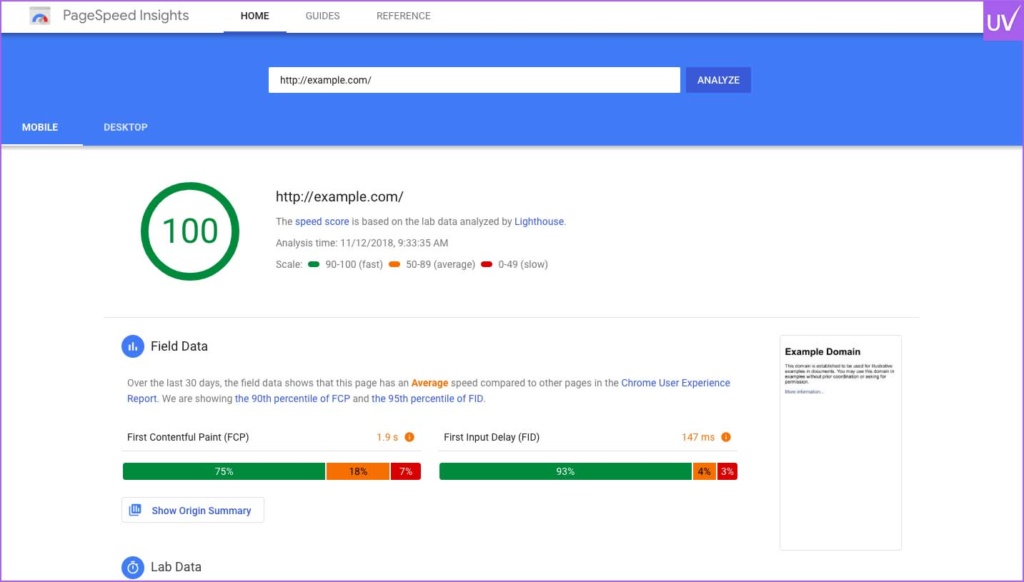
- Lighthouse
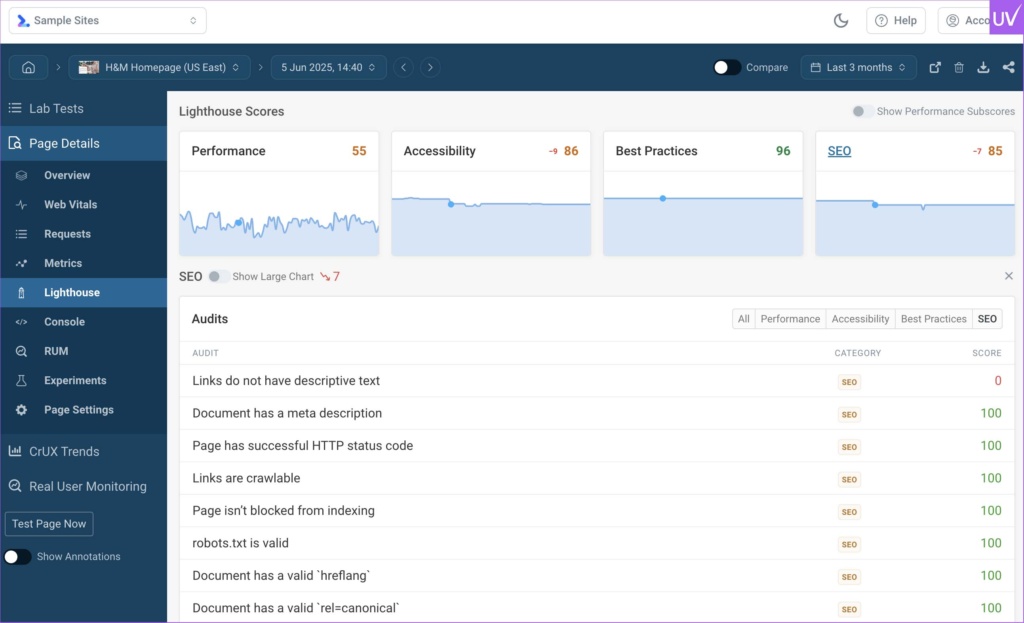
- GTmetrix
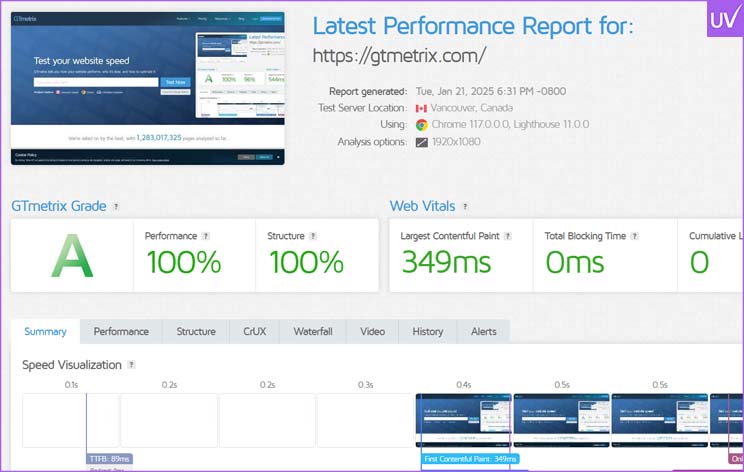
- WebPageTest
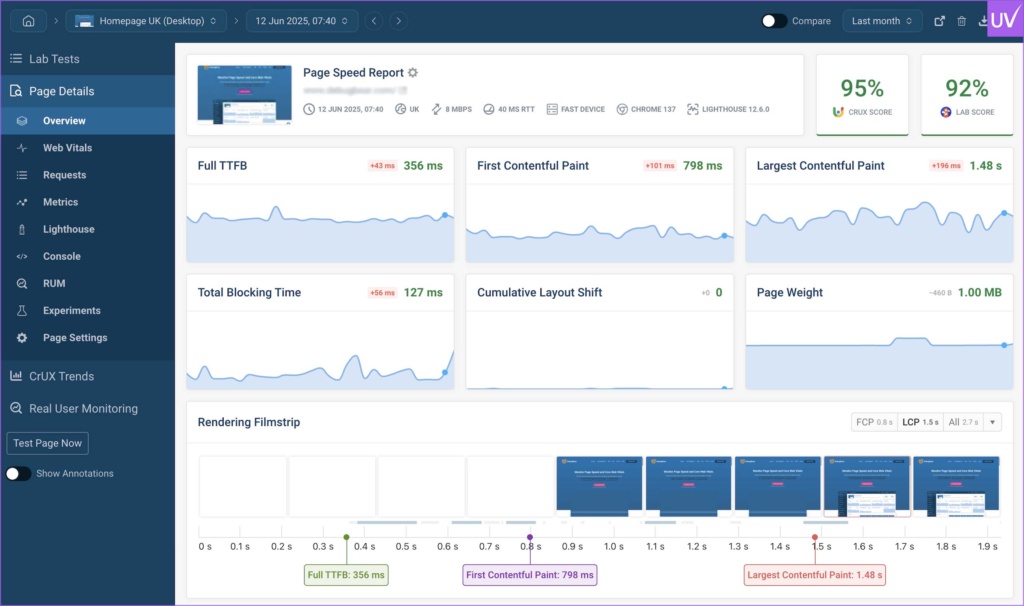
Important Core Web Vitals metrics:
- Largest Contentful Paint (LCP)
- Interaction to Next Paint (INP)
- Cumulative Layout Shift (CLS)
Sometimes removing a few unnecessary apps boosts SEO more than building new content.
Product Page SEO Optimization for Shopify Stores
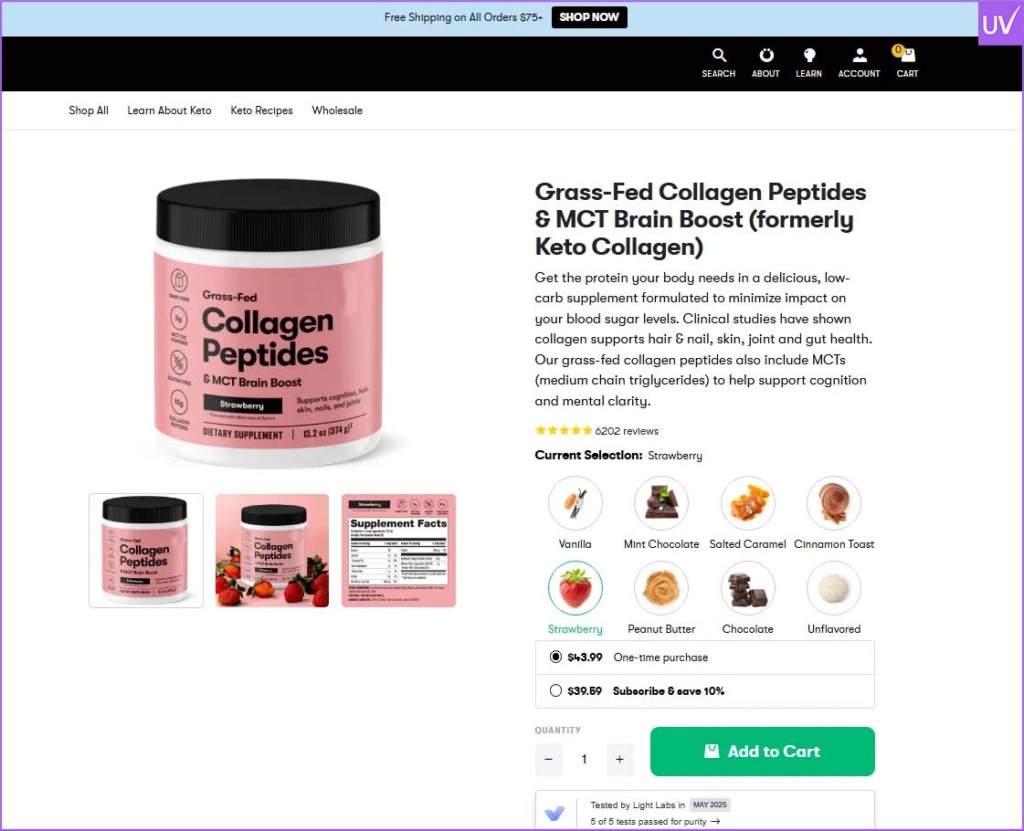
Most Shopify product pages are not optimized well.
The usual setup is something like this:
- Copied manufacturer description
- Poor titles
- Q&A unavailable
- Bad internal linking
- No schema markup
Unfortunately, Google has already found dozens of other websites with the same manufacturer description.
This indicates that your product page has no actual value.
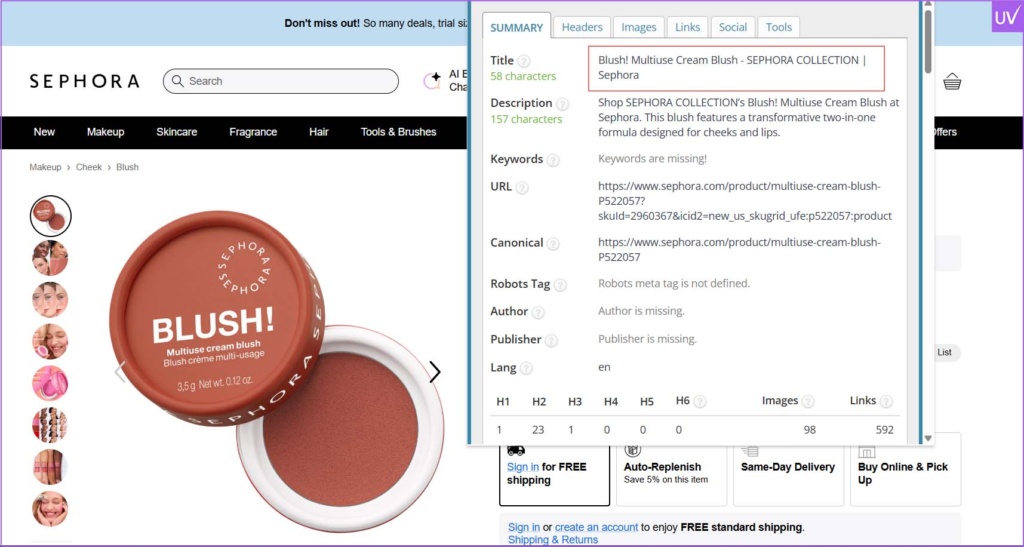
SEO-optimized product pages that genuinely help customers make purchasing decisions in today’s e-commerce environment.
High-ranking Shopify product pages usually include:
- Unique product descriptions
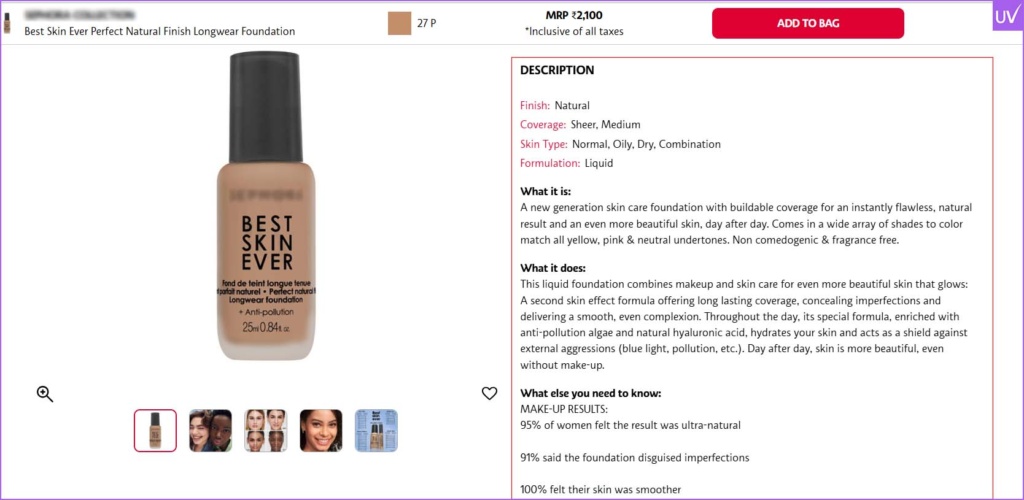
- Keyword-rich titles
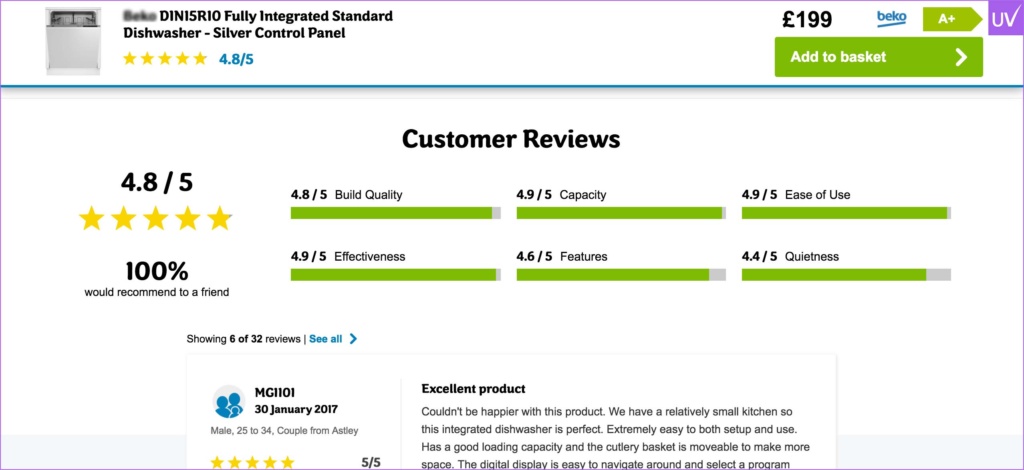
- Customer reviews
- Trust signals
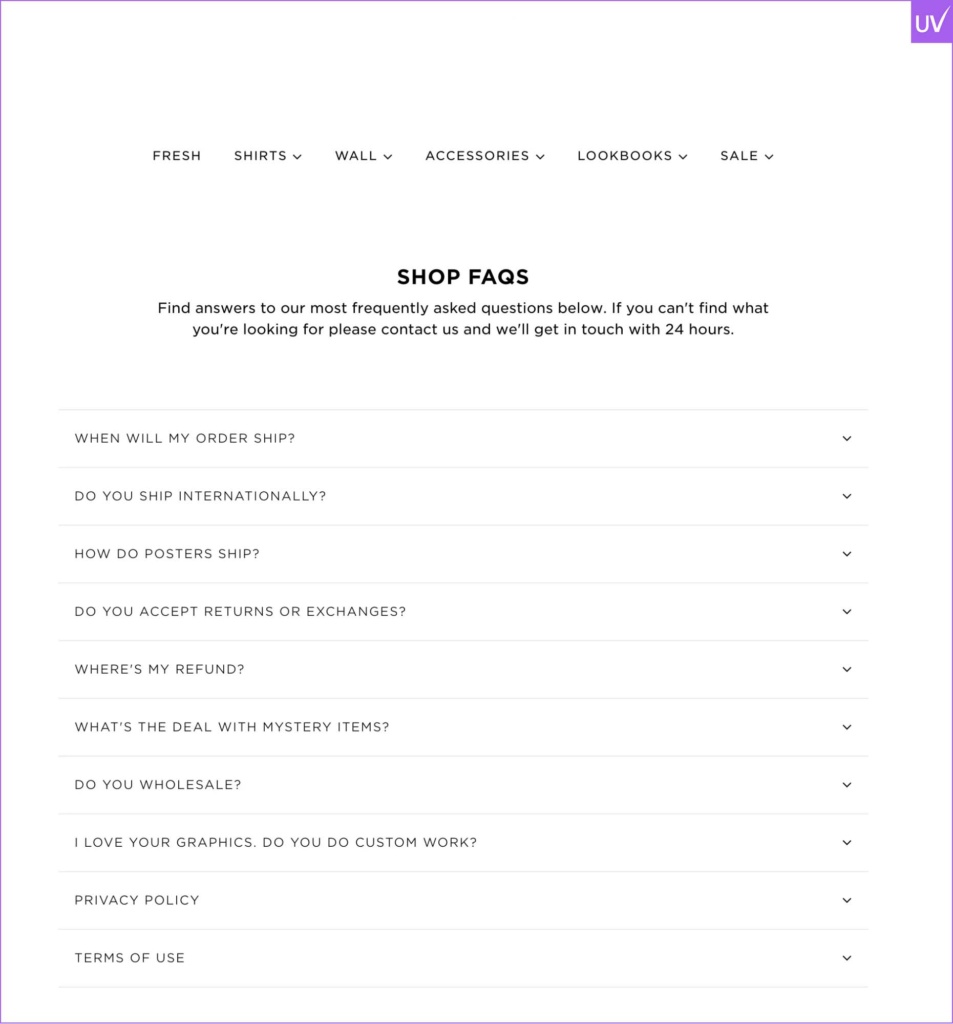
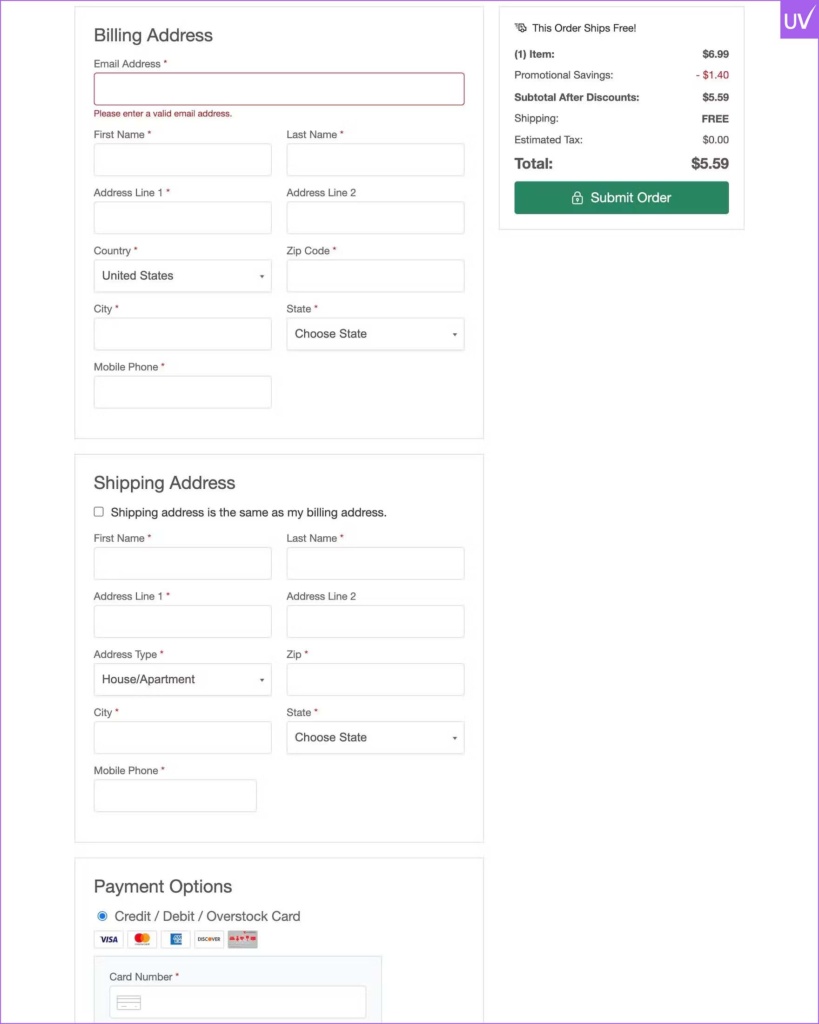
- Shipping information
- Product schema markup
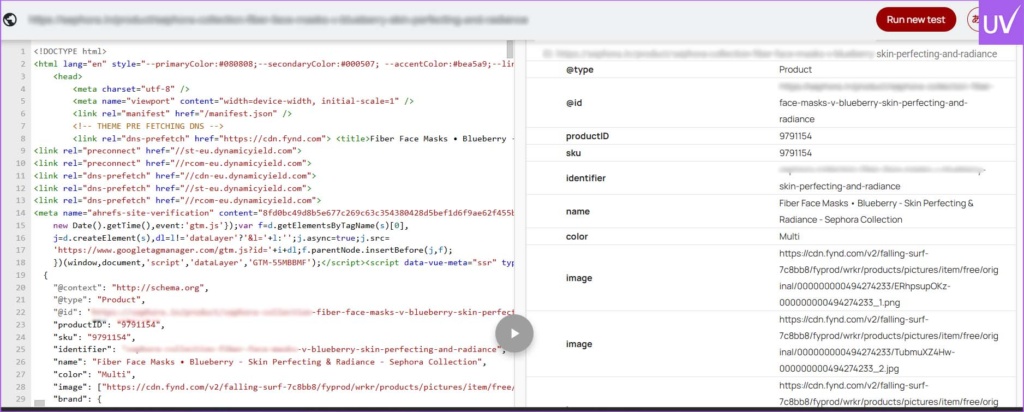
- Internal links
However, avoid keyword stuffing.
Google is smarter than that now.
Collection Page SEO Optimization for Shopify Stores
Many e-commerce companies only concentrate on their product sites.
Big error.
Because collection pages focus on more general commercial keywords, they frequently have far greater ranking potential.
For instance:
A product page could aim to:
"Black belt watch Titan."
However, a collection page may be ranked for:
"The best black belt watches for men."
…much higher volume of searches.
However, there is hardly any usable content on a lot of Shopify collection pages.
Simply goods thrown into a grid.
Google now has higher expectations.
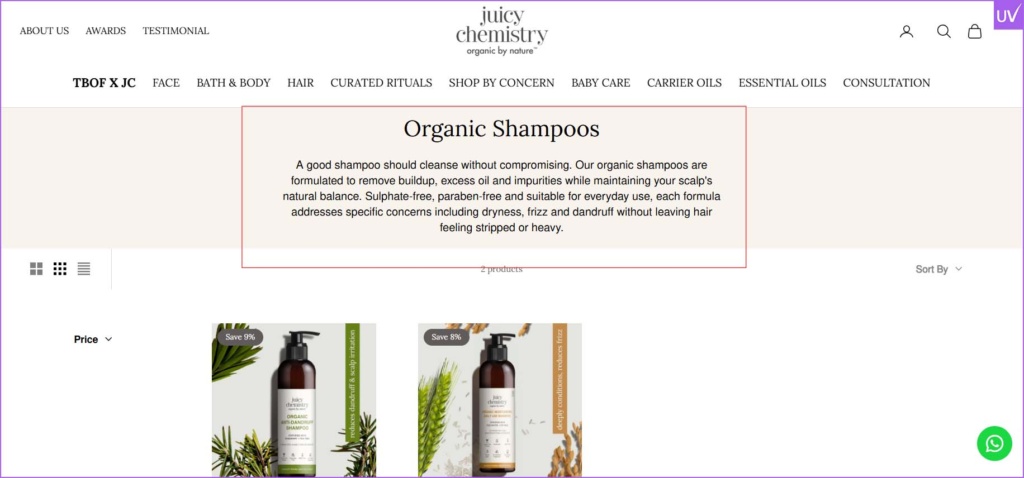
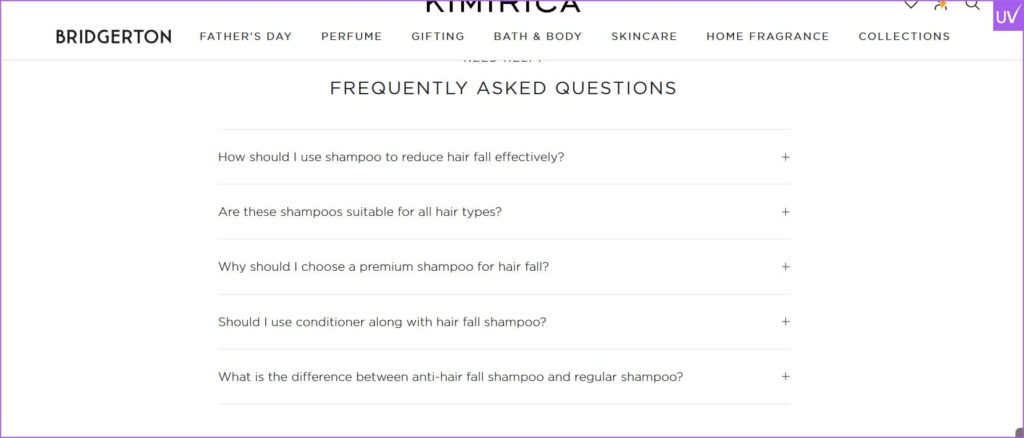
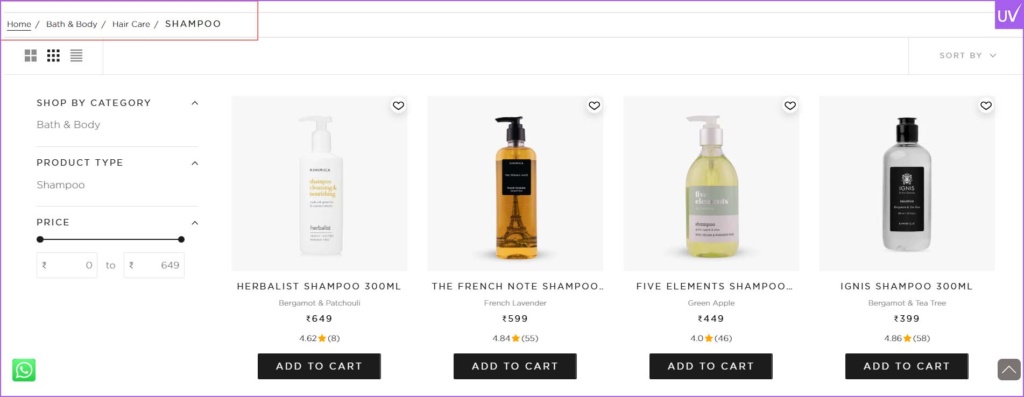
Strong collection pages usually contain:
- Optimized intro copy
- Semantic keywords
- FAQs
- Breadcrumbs
- Internal links
- Buying guidance
- Schema markup
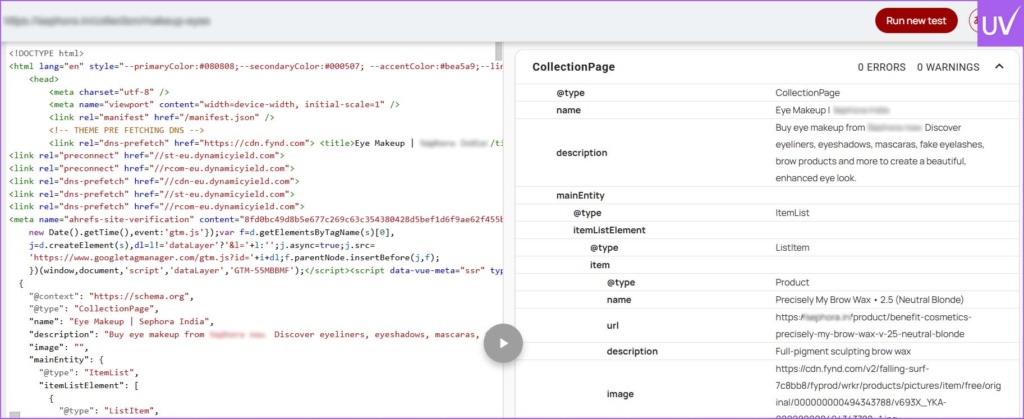
Thin collection pages struggle badly in modern e-commerce SEO.
Especially after AI-driven search updates.
Internal Linking SEO for Shopify Stores
Internal linking is poor in the majority of Shopify stores.
This is unexpected since internal linkages aid Google in comprehending:
- Page importance
- Topical relationships
- Crawl paths
- Site hierarchy
A proper e-commerce SEO audit should examine:
- Orphan pages
- Broken links
- Breadcrumb structure
- Collection-to-product linking
- Blog-to-product linking
Crawlability, authority flow, and rankings are all enhanced by strong internal linking.
And really?
It's one of the simplest SEO enhancements that most shops overlook.
Schema Markup SEO for Ecommerce Websites
Schema markup improves search engines' comprehension of your online store.
Additionally, it increases the likelihood that you will receive rich snippets in Google search results.
Higher CTR and improved visibility result from this.
Essential schema for Shopify stores:
- Product schema
- FAQ schema
- Review schema
- Breadcrumb schema
- Organization schema
Additionally, structured data enhances AI search comprehension, which is becoming more and more crucial in contemporary SEO.
Mobile SEO Optimization for Shopify Stores
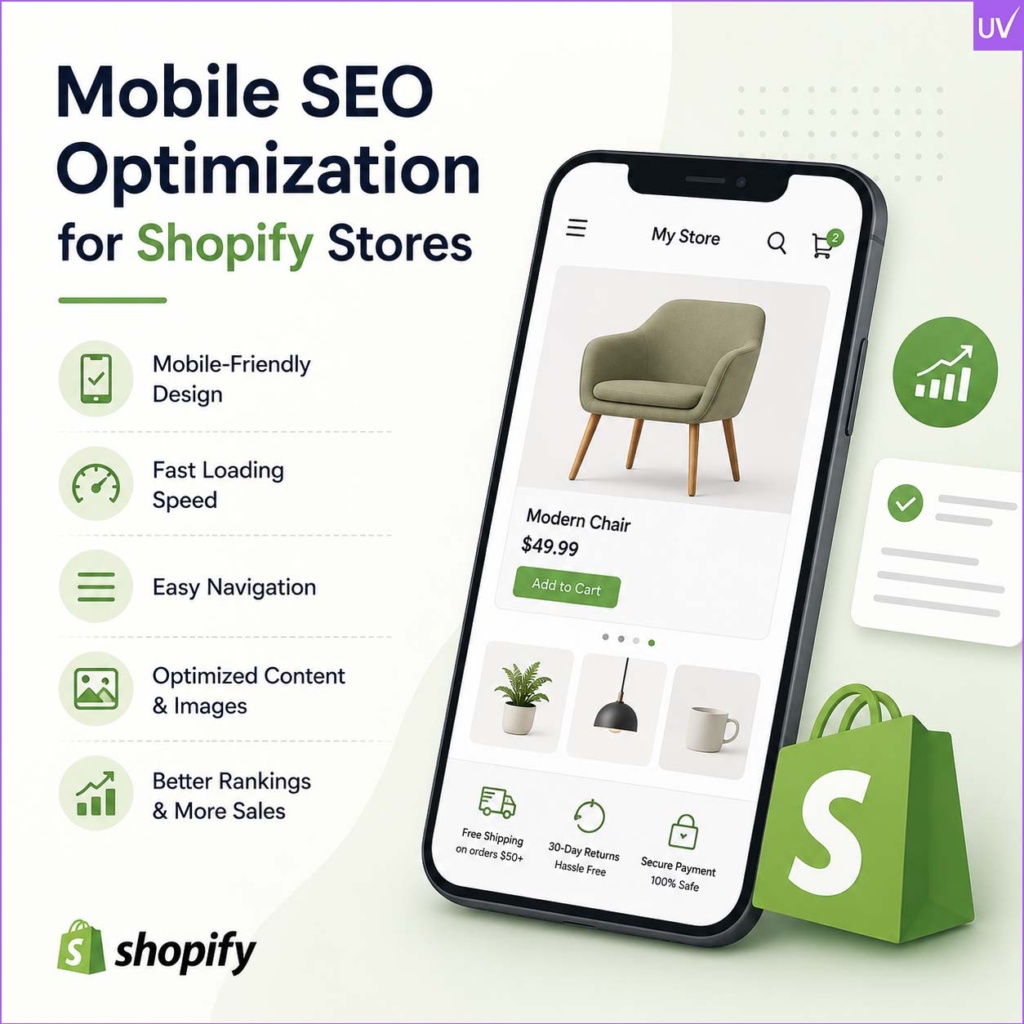
These days, mobile devices account for the majority of Shopify traffic.
However, a lot of stores still prioritize desktop optimization.
That is a grave error.
Google prioritizes indexing on mobile devices.
This means that rankings are directly impacted by your mobile experience.
Important mobile SEO checks:
- Mobile page speed
- Responsive design
- Font readability
- Layout stability
- Tap target spacing
- Popup usability
- Mobile navigation
Rankings and conversions suffer if your mobile user experience is annoying.
AI Search Optimization and GEO for Ecommerce SEO

AI is driving search more and more.
E-commerce websites are becoming more visible thanks to Google AI Overviews, conversational search, and AI-generated suggestions.
This indicates that Shopify SEO is moving away from conventional keyword optimization.
Contemporary retailers require material that is:
- Structured clearly
- Semantically rich
- Authoritative
- Easy for AI systems to interpret
This is when GEO and SEO overlap:
Generative Engine Optimization.
That’s why many brands are now working with an AI SEO agency to improve visibility across AI-powered search experiences and traditional search engines simultaneously.
AI-friendly e-commerce SEO strategies:
- Semantic keyword optimization
- Structured content
- Strong EEAT signals
- Detailed FAQs
- Authoritative buying guides
- Optimized schema markup
Early use of AI search will provide e-commerce companies with a significant edge in future rankings.
Final Thoughts
Even with flawless visuals, a Shopify business may have terrible search engine performance.
Because aesthetics are no longer the only factor in e-commerce SEO.
It concerns:
- Technical SEO
- Crawlability
- Structure
- Site speed
- Content quality
- Mobile UX
- AI readiness
- Authority
And really?
These days, the Shopify merchants that generate the most organic traffic are typically not the ones that post the most content.
They’re the ones building stronger SEO foundations with the help of a reliable SEO marketing agency and consistent technical optimization.
Those who audit technological concerns on a regular basis.
Making collection pages more efficient.
Increasing the speed of the website.
Enhancing internal connections.
And adjusting to search powered by AI.
Because rankings are not the only factor that determines the growth of modern e-commerce.
Whether search engines genuinely trust your store will determine this.
Quick Ecommerce SEO Audit Checklist for Shopify Stores
Technical SEO
- Crawl the website regularly
- Fix broken links
- Review canonical tags
- Optimize XML sitemap
Shopify SEO Optimization
- Improve collection page content
- Optimize product descriptions
- Add schema markup
- Strengthen internal linking
E-commerce Site Speed
- Compress images
- Remove unnecessary apps
- Improve Core Web Vitals
- Reduce JavaScript bloat
AI & GEO Optimization
- Structure content clearly
- Use semantic keywords naturally
- Add FAQs and buying guides
- Improve EEAT signals
Need Help Optimizing Your Shopify Store?
At Uvisible, we help ecommerce brands improve:
- Shopify SEO
- Technical e-commerce SEO
- Core Web Vitals
- AI-ready SEO strategies
- E-commerce content optimization
Because rankings alone are not enough for modern e-commerce SEO.
It calls for a technically sound, AI-ready, quickly loaded Shopify store with solid e-commerce SEO underpinnings.
A Shopify store that search engines genuinely trust is necessary.
About us and this blog
We are a digital marketing company with a focus on helping our customers achieve great results across several key areas.
Request a free quote
We offer professional SEO services that help websites increase their organic search score drastically in order to compete for the highest rankings even when it comes to highly competitive keywords.
Subscribe to our newsletter!
More from our blog
See all posts



Recent Posts
- Zero-Click Searches: How to Still Get Traffic in 2026 June 29, 2026
- WordPress SEO Mistakes That Hurt Rankings June 15, 2026
- E-commerce SEO Audit Checklist for Shopify Stores June 1, 2026