
Let’s be honest. When you compare organic search to paid search, it’s like watching a wise old sage go against a flashy newcomer with lots of money. On one side, you have organic search results, which are trustworthy content that builds authority over time.
On the other hand, there are paid ads, the quick-fix method that shouts, “Hey, look at me now!” Brands often use paid ad services to gain instant visibility, traffic, and conversions, especially when time is critical. Both have essential roles in search engine marketing. Ignoring either would be like trying to row a boat with just one oar.
So, how do you determine what’s best for your brand? That’s where this guide comes in! We’re diving into the differences between organic and paid search. We’ll look at organic and paid search clicks, break down the organic search and paid ads model, and provide real-world examples to help you succeed.
By the end, you’ll understand when to focus on paid search versus organic. You’ll learn how to map out organic search versus paid search in a table and why balancing paid traffic with organic search is essential for long-term success.
Let’s get started!
Organic vs Paid Search
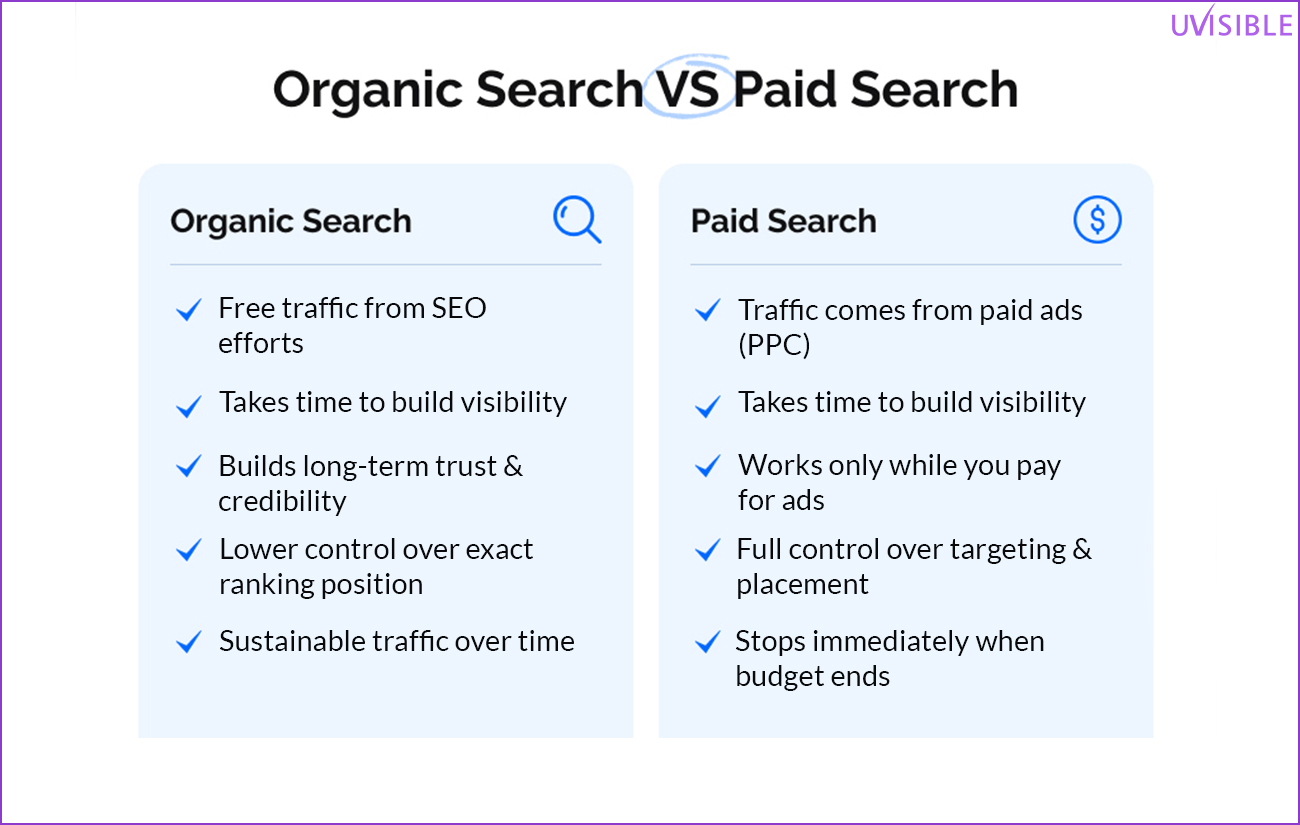
| Aspect | Organic Search | Paid Search |
| Cost | Free (but requires SEO investment) | Paid per click or impression |
| Speed | Slow growth | Immediate visibility |
| Trustworthiness | Seen as more credible | Can be ignored or seen as pushy |
| Longevity | Sustainable long-term results | Temporary — stops when you stop paying |
| Control | Limited by the search engine’s algorithm | Complete control over messaging |
| Best for | Brand building, authority, long-term strategy | Promotions, seasonal offers, and
quick lead generation |
7 Strategies to Optimize Paid vs Organic Search
1. Know the Battleground: Paid vs Organic — Who Does What?
First things first, you need to know your players. Organic and paid search are not about choosing one over the other; it’s about knowing when each works best.
- Organic search engine results versus paid: Organic listings come from trust. They result from SEO efforts, content, backlinks, and relevance. They take time but provide lasting rewards.
- Paid ads quickly capture attention through adequate budgets, targeted advertising, and strategic bidding.
Think of it this way: the model of organic search versus paid ads is like growing a tree compared to renting a billboard. One is slow, steady, and based on value; the other is flashy and short-term but gives you immediate reach.
For example, a SaaS brand might promote new feature launches with paid ads while building long-term trust through blog posts, user guides, and FAQs optimized for organic search with the help of professional SaaS SEO services.
2. Don’t Step on Your Own Toes — Syncing Keywords
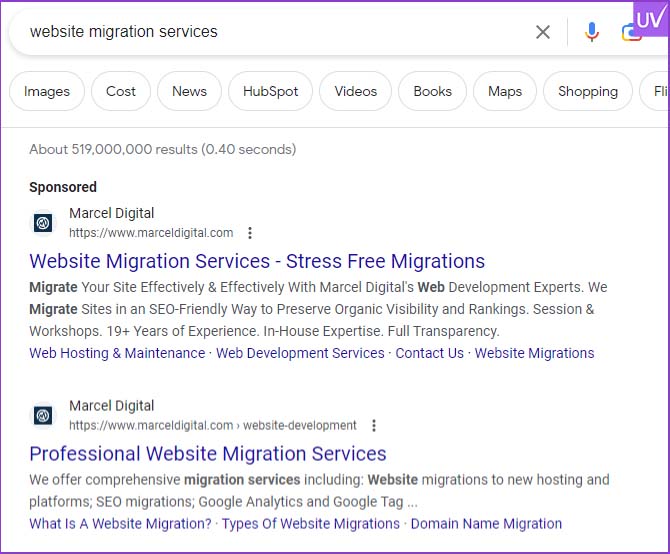
Nothing kills results faster than competing with yourself. Overlapping keywords in paid and organic campaigns can waste budget and confuse tracking.
Let’s say you’re bidding on “best fitness tracker” in paid ads while also ranking for it organically. Without coordination, you’re essentially bidding against your own content.
Here’s where a table comparing organic search and paid search is valid. Mapping keywords by intent, funnel stage, and performance helps ensure that your teams aren’t competing over the same area.
Example Table:
| Keyword | Funnel Stage | Organic Ranking | Paid Focus | Notes |
| fitness tracker reviews | Awareness | #3 | No | Content-led growth |
| Buy a fitness tracker | Decision | #15 | Yes | Paid ads for conversion |
This way, you’re playing smart instead of shooting in the dark.
3. Paid Search Insights = Goldmine for Organic Growth
Here’s a little secret: your paid campaigns are a testing ground. By watching organic and paid search clicks, CTRs, and conversion rates, you can find patterns that help shape your SEO strategy.
For example, if a paid campaign for “home workout gear” performs better than others, you can create blog content that targets the same search intent. Similarly, identifying low-performing paid keywords can reveal content gaps that need to be filled organically.
Research from WordStream shows that businesses that combine paid and organic search strategies experience a 27% increase in conversions compared to those focusing solely on one channel.
For instance, a pet accessories brand utilized paid search data to identify high-performing keywords, such as “best chew toys for puppies.” They optimised their blog content around this, resulting in a 45% increase in organic traffic over three months.
4. The Landing Page — Where the Magic Happens
Whether you’re chasing clicks through paid campaigns or building authority with SEO, you need an effective landing page.
A slow-loading or confusing page can turn both organic and paid search clicks into lost opportunities. The key is to match your messaging, improve load speed, and craft clear calls to action.
Pro tip: Use tools like Google’s PageSpeed Insights and heatmaps to enhance your user experience. Think of it like throwing a party.
Whether you’re inviting guests with fancy invitations or word-of-mouth recommendations, you don’t want them arriving in a mess.
5. Budget Smarts — Where to Put Your Money

Knowing where to invest sets apart beginners and experts. Paid search and organic do not have to be a constant struggle.
- For seasonal campaigns, paid search is your best choice.
- For evergreen topics, organic content brings long-term benefits. In competitive industries, use both.
- Paid search can help cover gaps while your SEO efforts take effect.
A HubSpot report reveals that 61% of marketers consider SEO their top long-term priority. However, 60% also use paid search to support their campaigns.
For example, a hair salon brand used paid ads to promote seasonal sales and relied on organic content for beauty tips. This strategic mix of PPC for hair salons and organic marketing increased their overall ROI by 35%.
6. Test, Tweak, and Trust the Data
Optimization is not a one-time task. It’s an ongoing process: test, tweak, trust the data, and try again.
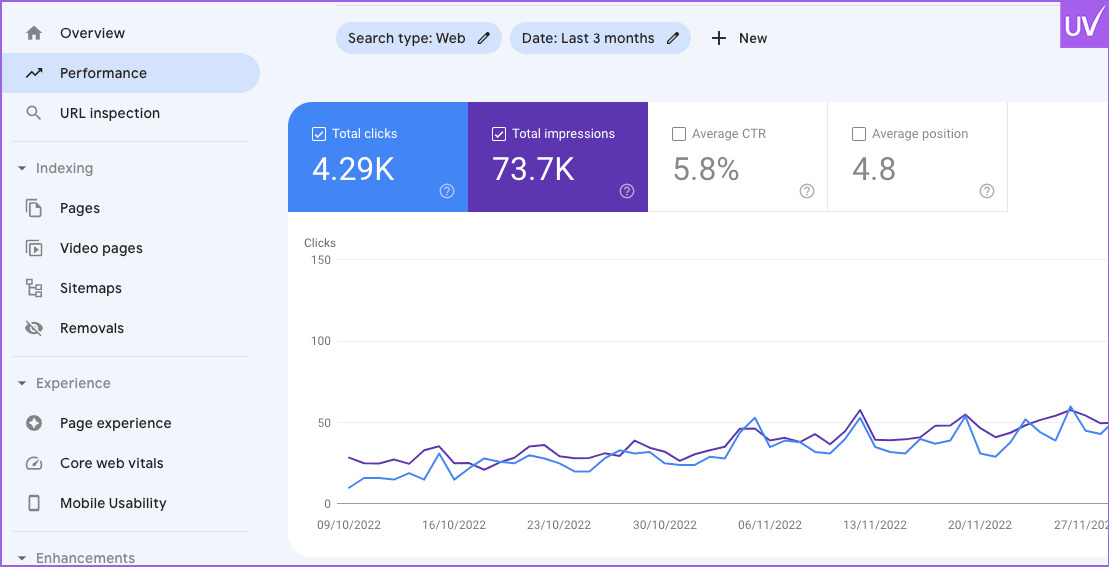
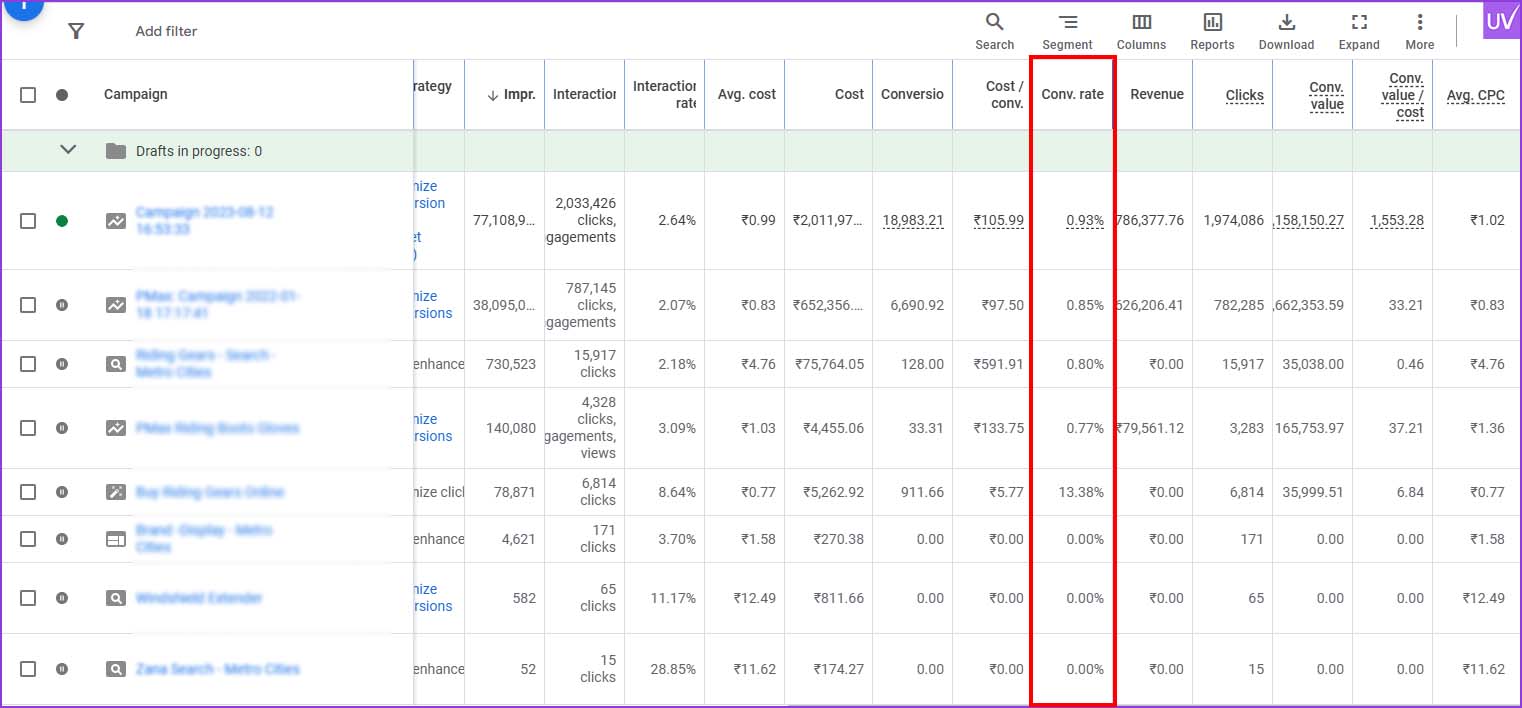
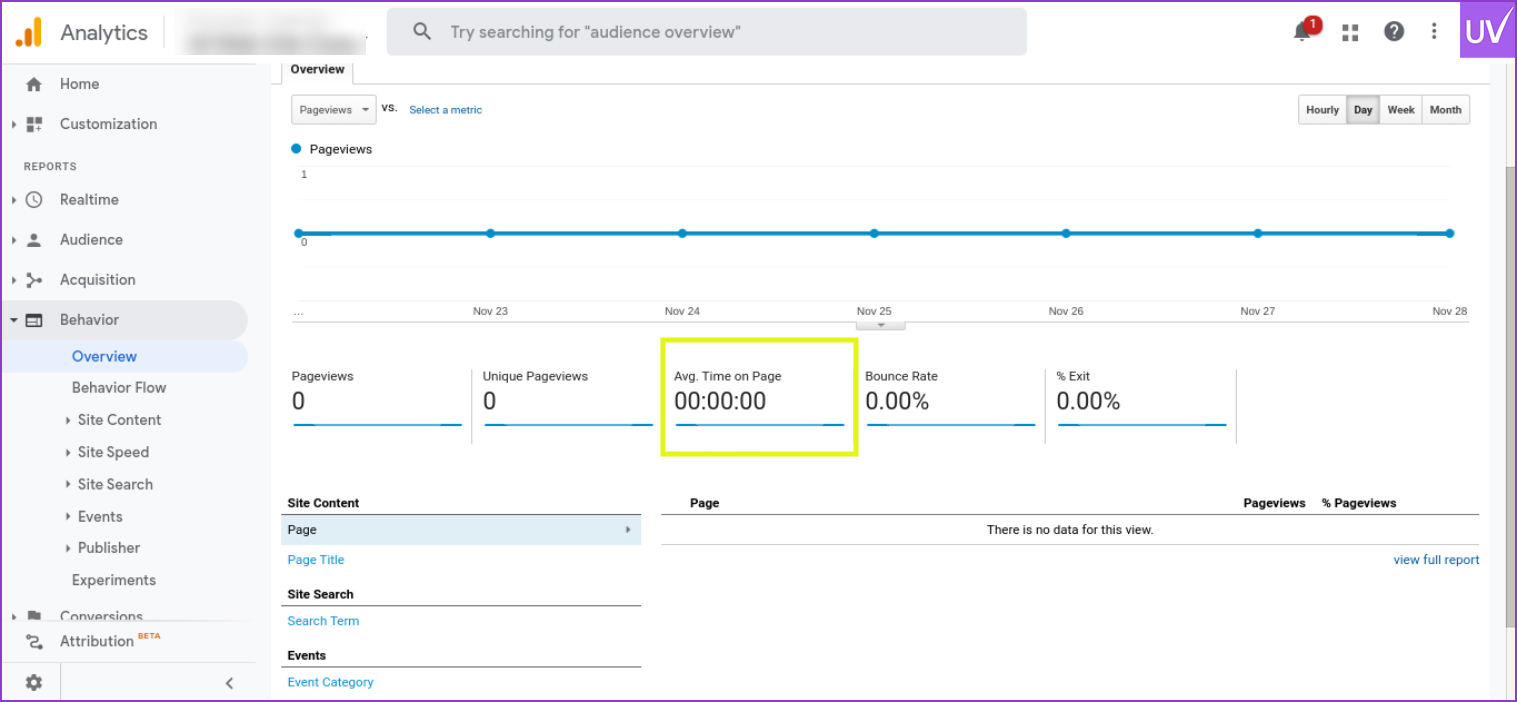
A/B test your headlines, ad copy, meta descriptions, and landing pages. Utilize analytics tools to compare organic search results with paid performance regularly. Track metrics such as:
- CTR (Click Through Rate)
- Conversion rates
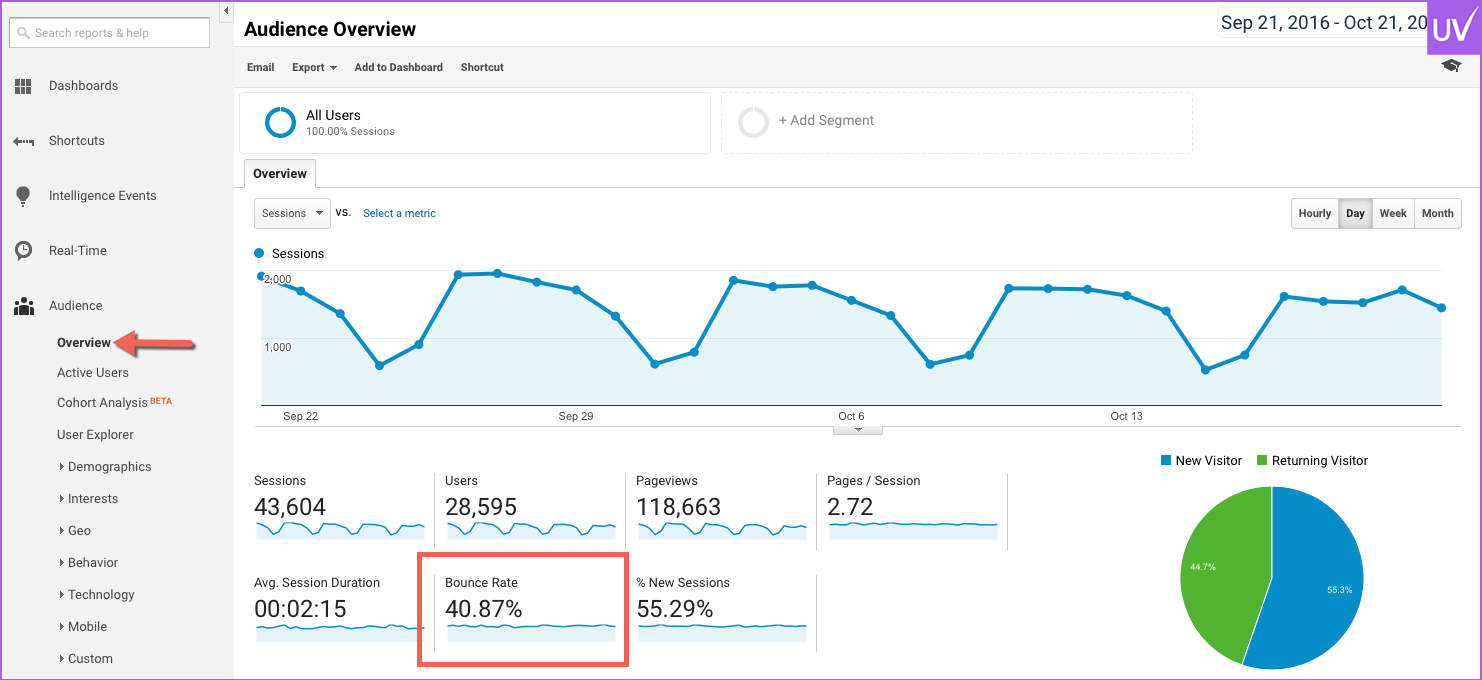
- Time on page
For example, a software company found that paid campaigns with a “free trial” call to action performed 22% better than those with a “learn more” option. This led them to update their organic meta descriptions.
7. Get Everyone on the Same Page — Team Alignment

Let’s be honest, siloed teams can create big problems. Bringing together SEO and paid search teams helps you stay flexible and focused on data.
Hold regular meetings where both teams share insights from organic and paid search in a table format. Discuss campaign results and customer feedback. Cross-training helps everyone understand each other’s work better.
For example, a retail brand combined both teams and experienced a 50% faster content rollout. This allowed them to capitalize on trending keywords before their competitors did.
Conclusion: Winning the Search Game Like a Pro
Optimizing organic and paid search isn’t about picking one over the other. It’s about creating a balanced strategy that uses both strengths.
Use paid campaigns to gather data and improve short-term performance, while building long-term authority through SEO. Map your keywords, bring your teams together, and keep testing your results.
The outcome? Higher conversions, less wasted spending, and a strategy that gets smarter each day.
Are you ready to master paid traffic and organic search? Turn your campaigns into a smooth-running machine.
Partner with Uvisible, where data and creativity come together to create search strategies that not only seek clicks but also build lasting customer relationships. Let’s enhance your search efforts today!
About us and this blog
We are a digital marketing company with a focus on helping our customers achieve great results across several key areas.
Request a free quote
We offer professional SEO services that help websites increase their organic search score drastically in order to compete for the highest rankings even when it comes to highly competitive keywords.
Subscribe to our newsletter!
More from our blog
See all posts



Recent Posts
- How SEO Works in Bing (And Why Ignoring It Might Be Costing You More Than You Think) February 27, 2026
- Things Every Website Should Have: The Complete SEO Blueprint February 14, 2026
- Digital Marketing Conferences 2026: Top Global Events for Marketing Leaders February 7, 2026
Pingback: Maximize Your Reach with Google Discovery Ads - Uvisible