Ahrefs is one of the best SEO tools out there right now, but not everyone uses it as their first choice.
On sites like G2, there are two patterns that show up in user feedback:
Cost is a big problem for freelancers and small teams.
For users who don't need a full-scale SEO infrastructure, the platform can seem complicated.
At the same time, more and more people are looking for "Ahrefs alternatives," which shows a bigger change in how businesses use SEO tools:
They are no longer looking for the most powerful tool; they are looking for the best one.
But most comparison articles fail at one important point: they treat all users the same.
In reality, the "best alternative" is based on:
- Your workflow
- Your money plan
- Your level of SEO maturity
This guide takes a different approach.
Instead of listing tools, we analyze:
- Where each tool actually performs better than Ahrefs
- Where it falls short
- Which tool fits specific real-world use cases—including scenarios where Technical SEO audit services become essential
How We Evaluated Ahrefs Alternatives
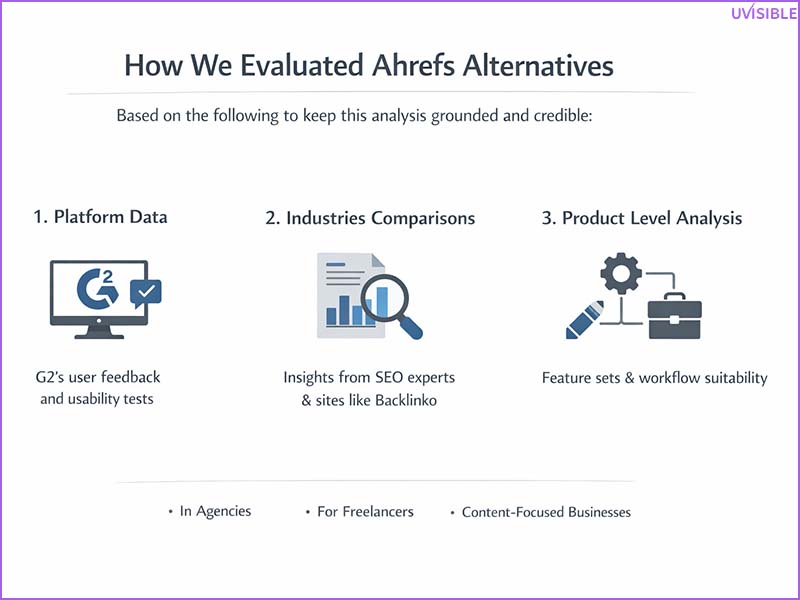
- This guide is based on the following to keep this analysis grounded and credible:
1. Platform Data
G2's user feedback and usability tests
2. Industries Comparisons
What SEO teachers and sites like Backlinko have to say
3. Product Level Analysis
Feature sets, tool limitations, and workflow suitability based on how these tools are actually used in:
- Environments in agencies
- SEO for freelancers
- Businesses that rely on content
The Core Truth: No Tool Replaces Ahrefs Completely
Before looking at other options, it's important to be clear about one thing:
Ahrefs is more than just a keyword tool; it's a platform for link intelligence.
Its best quality is:
- Finding backlinks and best competitor backlink analysis
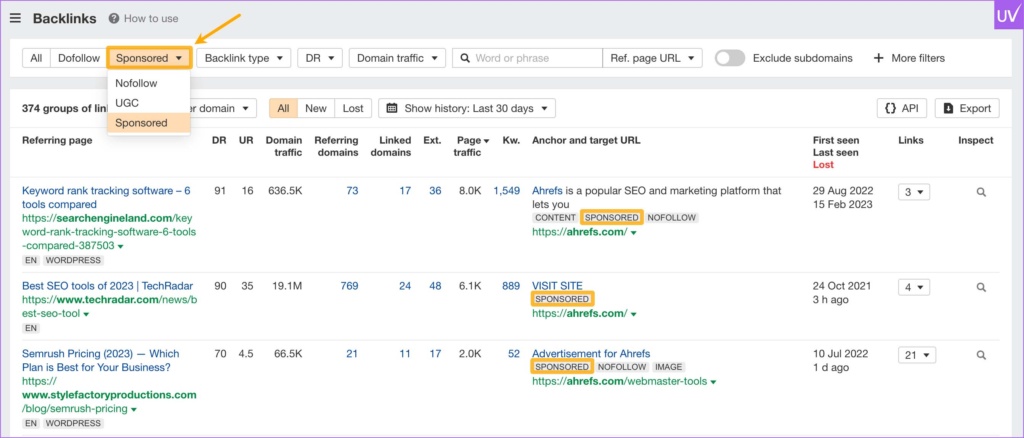
- Analysis of link intersections
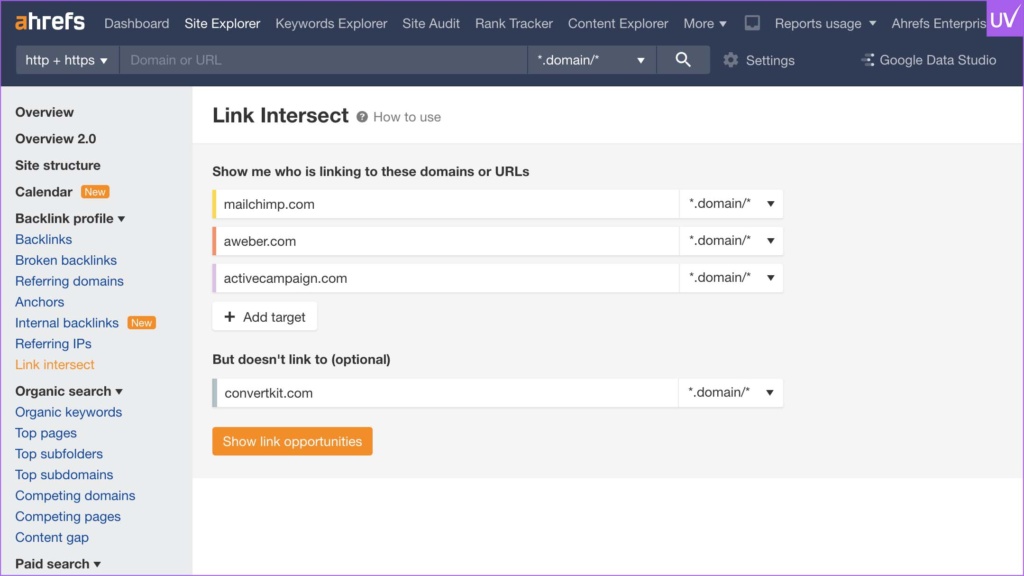
- Data on historical links
This depth is not matched by most alternatives.
So the real question is not:
"What comes after Ahrefs?"
It is:
"What takes the place of the part of Ahrefs you use?"
Best Ahrefs Alternatives by Real Use Case
1. Semrush — Best for Full-Stack SEO and Marketing Teams
Semrush is the tool most similar to Ahrefs in what it can do, but the two are not the same.
When Semrush Does Better
Brings together SEO, PPC, and content marketing in one place
- Tools for strong competitor gap analysis
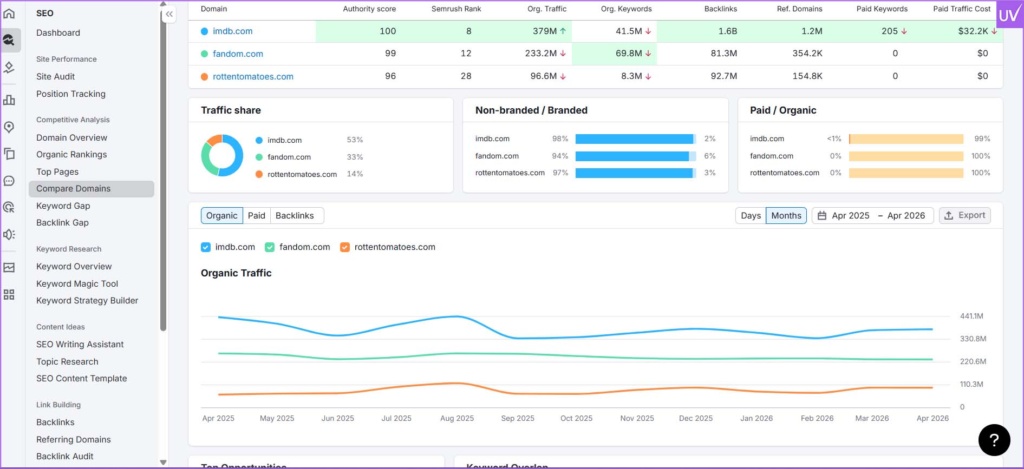
- Features for structured reporting for teams
This makes it very useful for:
- Agencies that work with more than one client
- In-house teams that work on both SEO and paid acquisition
Where It Doesn't Work
- New users may have trouble with complex interfaces.
- Prices go up a lot as usage grows.
Useful Information
Ahrefs feels like a data engine, while Semrush feels like a marketing system.
2. Ubersuggest — Best for Simplicity and Budget Constraints
People often say that Ubersuggest is a "cheap Ahrefs," but that's not quite right.
It is easier to understand as:
- An easier SEO tool
- Made for ease of use instead of depth
Where It Works Best
- Quick keyword search
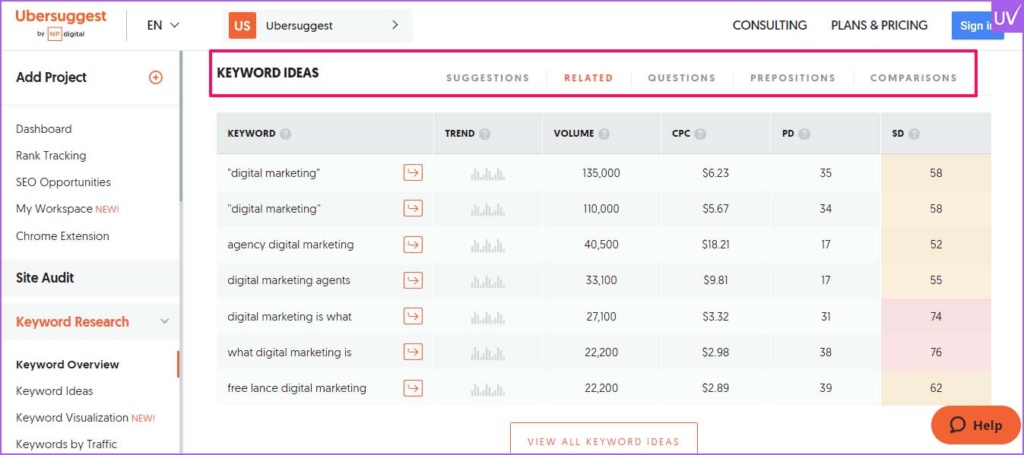
- Simple site checks
- Dashboards that are easy for beginners to use
Based on what users have said on G2, Ubersuggest always gets higher marks in:
- Simple to use
- The learning curve
What It Doesn't Do Well
- Not enough data on backlinks
- Keyword difficulty doesn't go deep enough in competitive niches
Useful Information
Ubersuggest isn't made for accuracy; it's made for direction.
3. SE Ranking — Best Value-for-Money Alternative
Many tools miss the middle ground that SE Ranking finds.
It gives:
- Keeping track of your rank
- Researching keywords
- Best SEO reporting tool with no brand name
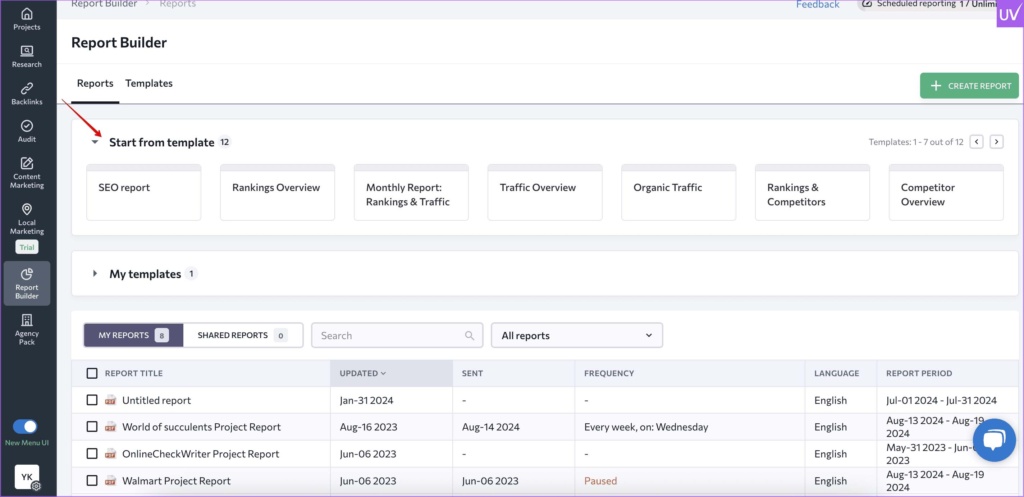
At a much lower cost than business tools.
Where It Works Well
- Workflows for agency reporting
- Tracking multiple projects
- Scaling that doesn't cost too much
Where It Doesn't Work
- The depth of the data is not as good as Ahrefs or Semrush. or ubbersuggest
- The interface works, but it's not great.
Useful Insight
SE Ranking is one of the few tools that does a good job of balancing:
cost, ease of use, and functionality.
4. Mangools — Best for Freelancers and Niche Projects
Mangools' power lies in its deliberate limitation.
It emphasizes:
- Research on keywords
- SERP monitoring
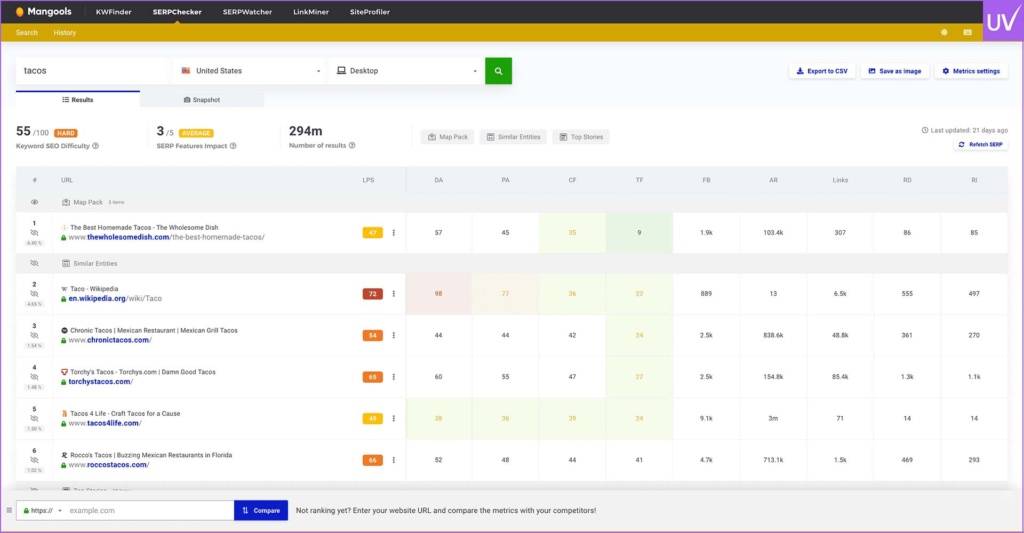
- Simplicity
Where It Is Most Effective
- Independent contractors overseeing a small number of clients
- Builders of niche websites
- Bloggers
Where It Is Inadequate
- Absence of sophisticated backlink analysis
- Restricted scalability
Useful Perspective
Mangools eliminates depth and intricacy.
5. RankDots — Emerging Option for AI-Driven SEO
Intent and topic modeling are replacing keyword targeting in SEO.
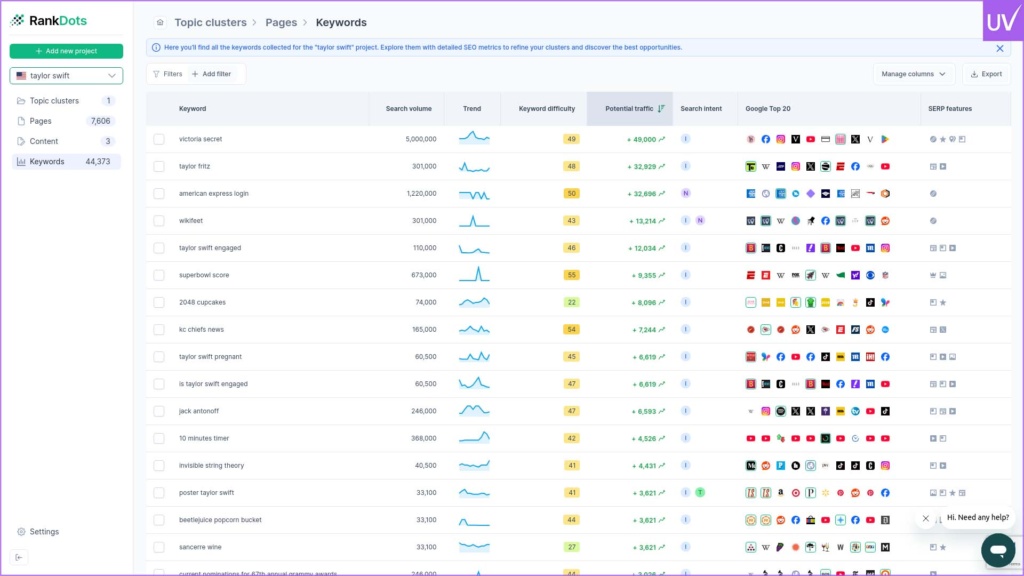
This change is the foundation of tools like RankDots.
Where Value Is Added
- Clustering keywords
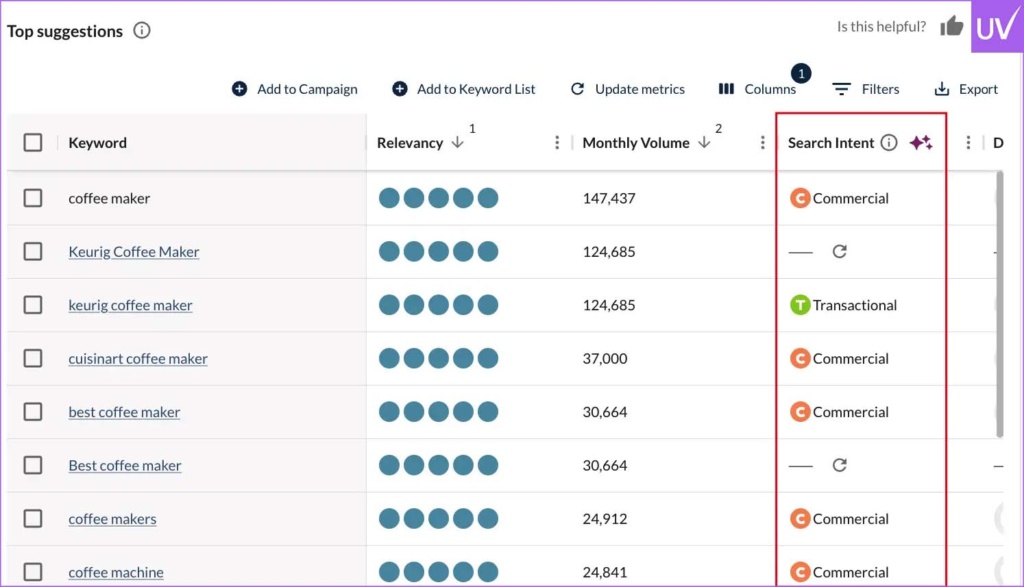
- Grouping of search intent
- Workflows for content planning aligned with AI based SEO services
- Industry Background
AI-assisted SEO processes are being utilized more frequently to:
- Cut down on time spent on manual research
- Boost the authority of the topic
Where It Is Inadequate
- Still evolving in contrast to well-established tools
- A smaller ecosystem
Useful Perspective
These tools are changing the way SEO is done, not replacing Ahrefs.
Direct Comparison: Semrush vs Ahrefs
| Feature Area | Ahrefs | Semrush |
| Backlink Analysis | Larger backlink index with strong link discovery capabilities | Slightly smaller index but still comprehensive |
| Link Discovery Speed | Faster in detecting new backlinks | Slightly slower compared to Ahrefs |
| Keyword Research | Conservative search volume estimates, strong keyword difficulty scoring | More SERP context, better keyword intent classification |
| SERP Analysis | Clean and focused SERP overview | More detailed SERP features and competitive insights |
| Content Tools | Limited content optimization features | Built-in SEO content tools and recommendations |
| Reporting & Workflow | More suited for individual analysts or technical SEO users | Better for teams, agencies, and structured reporting workflows |
| User Interface | Data-heavy, slightly technical | More visual and workflow-oriented |
| Use Case Fit | Best for backlink-focused SEO strategies | Best for full stack digital marketing agency |
Quick Verdict
- Choose Ahrefs if your strategy is heavily focused on link building and backlink analysis
- Choose Semrush if you need a complete SEO + marketing workflow solution
A Practical SEO Workflow
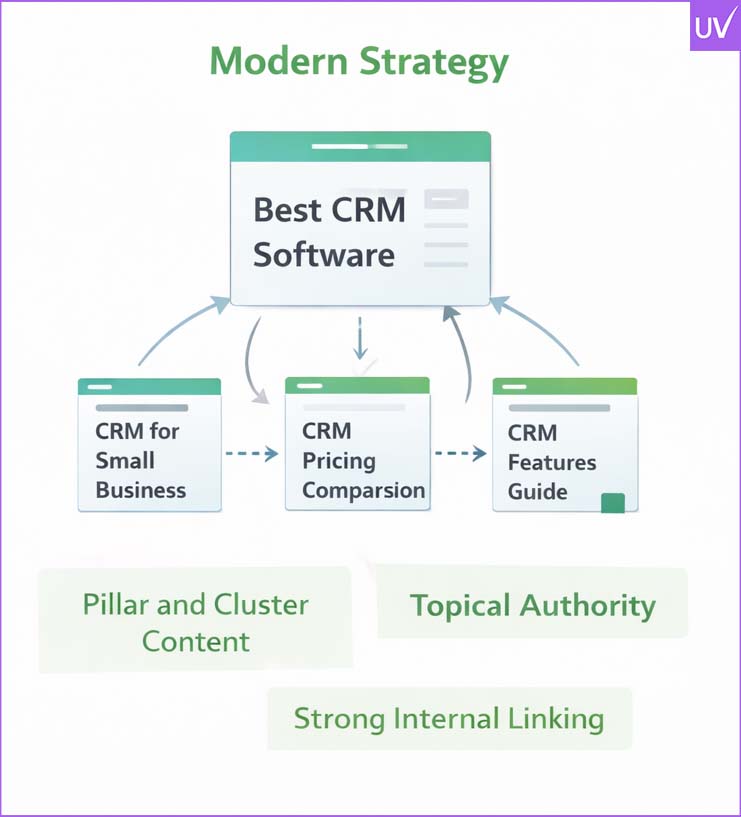
Using just one tool is one of the worst SEO blunders.
Modern workflow resembles this more:
- Use Semrush or Ahrefs to find keywords.
- For subject grouping, use clustering techniques such as RankDots.
- Instead of creating separate pages, create content clusters.
Example:
Rather than focusing on a single keyword:
- "The best CRM program"
You construct:
- A single pillar page
- Several pages of support
This method enhances:
- Topical authority
- Internal structure of linking
- Consistency in ranking
When You Should NOT Switch from Ahrefs
Ahrefs is still the superior option in spite of all the alternatives if:
- An essential component of your strategy is backlink analysis.
- You work in a highly competitive SEO environment.
- You depend on sophisticated link-building processes.
In these situations, switching tools frequently leads to data loss rather than optimization.
Final Decision Framework
The best Ahrefs alternative depends on what you prioritize:
- Semrush → All-in-one marketing and SEO workflows
- Ubersuggest → Simplicity and affordability
- SE Ranking → Balanced cost and functionality
- Mangools → Lightweight SEO workflows
- RankDots → AI-driven SEO strategy
There is no universal winner—only contextual fit.
Work With Uvisible
The right tool matters, but it’s only one part of quality SEO solutions.
The true distinction stems from:
- Strategy
- Execution
- Consistency
Here at Uvisible, we assist companies:
- Construct organized SEO systems
- Find chances for high-impact keywords
- Implement content initiatives that result in quantifiable growth.
If you wish to concentrate on outcomes rather than tool comparisons:
About us and this blog
We are a digital marketing company with a focus on helping our customers achieve great results across several key areas.
Request a free quote
We offer professional SEO services that help websites increase their organic search score drastically in order to compete for the highest rankings even when it comes to highly competitive keywords.
Subscribe to our newsletter!
More from our blog
See all posts