
The thing about Google is that, like that cool teacher who tells you what's going to be on the exam, they don't always let you in on the specifics. We know some basic things - "write good content," "get some backlinks" - but their secrets are made in the shadows.
Well, we are here to pull back the curtain for you. Whether you manage everything in-house or choose to outsource SEO projects, here are the 20 SEO secrets Google never told you, complete with stats, examples from brands, and some handy tips so you can make them actionable today.
20 Top SEO Hacks That Will Boost Your Business
1. Dwell Time Is Your Secret Weapon
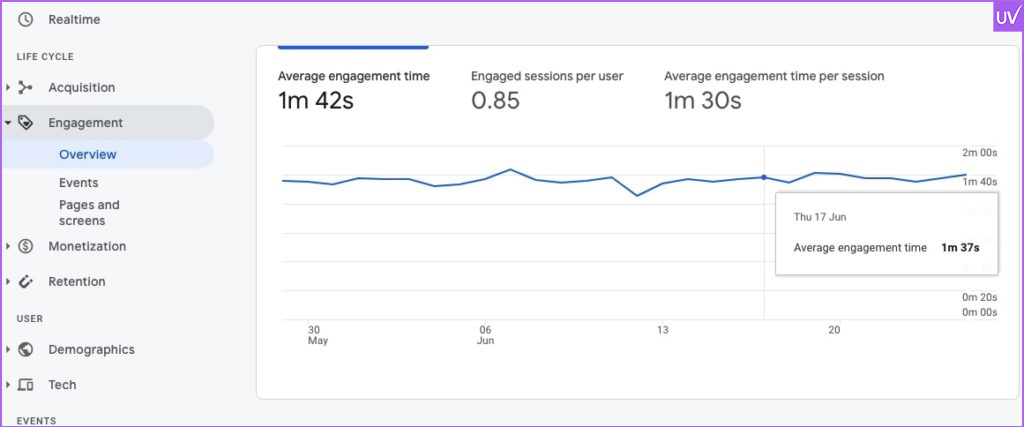
If people are clicking away from your site faster than a kid who spots broccoli on their dinner plate, Google is going to assume you got it wrong. When users stay, scroll, engage, and interact, that is a huge positive sign for rankings.
Stat: Pages with a dwell time of 3+ have rankings above pages with dwell times of less than 90 seconds (Search Engine Journal).
Example: Medium uses story formats to keep readers on a page, with an average of 7 minutes spent on a post.
Action Tip: Create a compelling intro and use visuals. Engage and use subheadings to entice readers to scroll down.
2. Not All Backlinks Are Created Equal
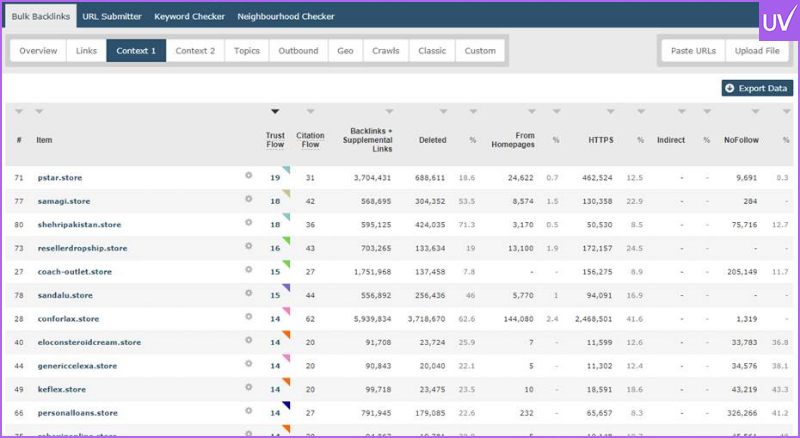
The importance of backlinks is like job references: one from Harvard is worth more than 100 from your neighbors. Quality beats quantity each and every time.
Stat: One backlink from a DR90+ site can be equal to 100+ low-quality links (Ahrefs).
Example: Airbnb was able to ride the credibility from early backlinks from The New York Times and TechCrunch to help catapult its rankings.
Action Tip: Go after PR-quality backlinks, not link farms. Journalists, not junk directories.
3. CTR Is the Secret Sauce
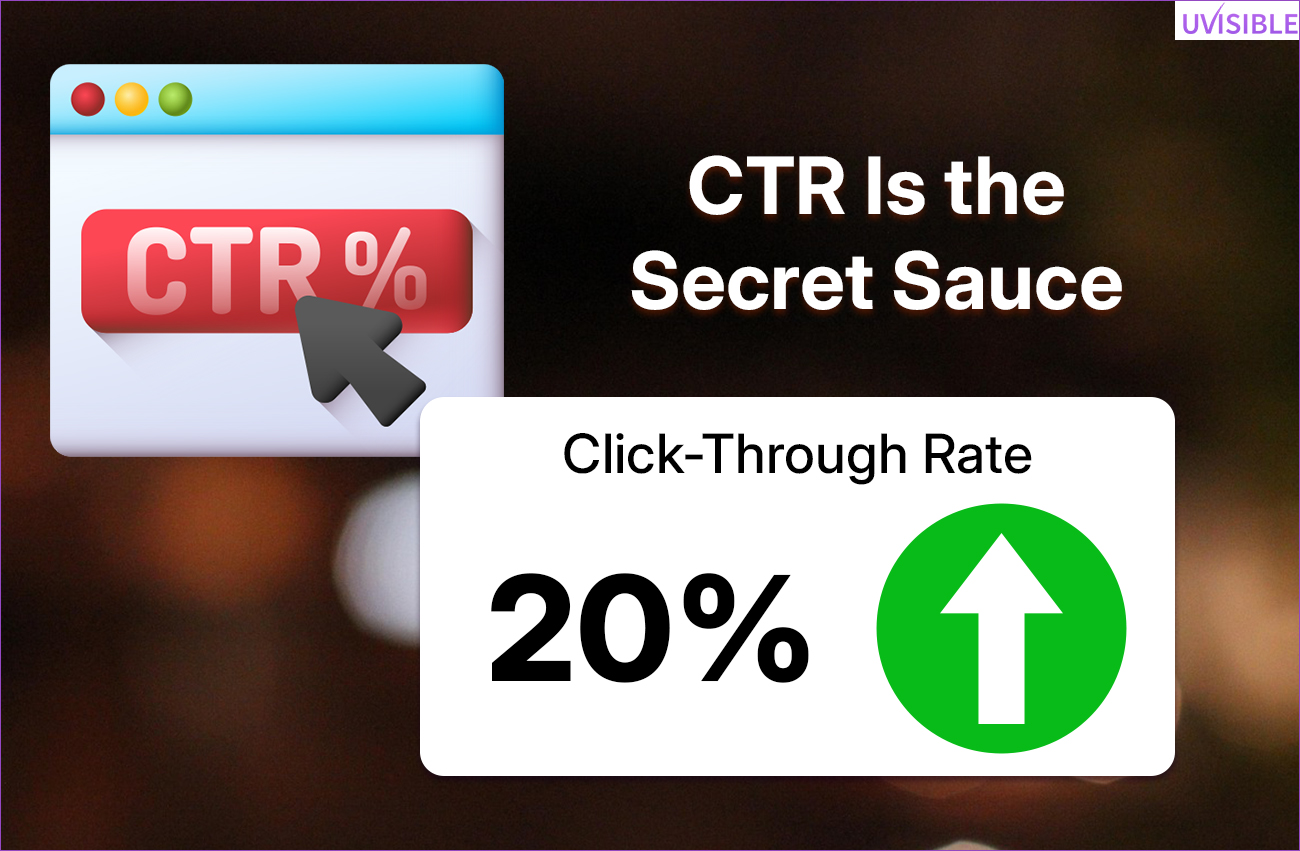
You may be on page 1, but unless someone clicks on your listing, you just become part of the wallpaper. Titles and meta descriptions are your shop window; make them shine.
Stat: CTR increases by 30% when you move from 3rd to 2nd position (Backlinko).
Example: HubSpot entices clicks with curiosity-driven titles like "10 Marketing Mistakes You're Probably Making".
Action tip: Test emotional, number-driven, and question-based titles.
4. Internal Linking Sprinkles SEO Magic
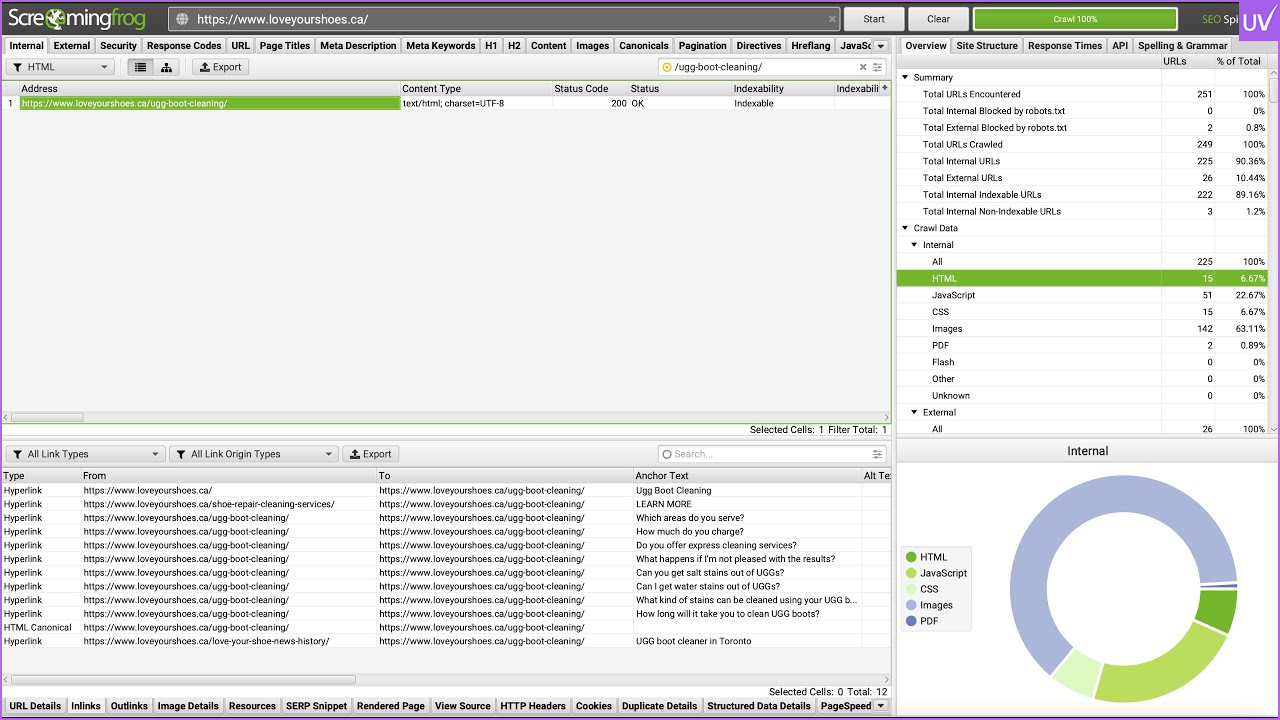
Consider internal links like the metro system for your site. They help readers—and Google—navigate to deeper pages, distributing ranking power throughout your domain.
Using anchor text backlinks strategically makes this even more powerful, as it signals relevance and context to search engines.
Stat: Pages with 3+ internal links get 40% more traffic (SEMrush).
Example: Wikipedia is the master of this—click on “penguins,” and boom, you’re reading about the climate history of Antarctica.
Action Tip: Include internal contextual links in every post to improve weaker pages.
5. Longer Content Isn’t Always King

Of course, Google wants depth, but no one is going to read a 5,000-word snooze fest. Relevance trumps rambling, and that’s the real strength of long-form content.
Stat: 2,100-2,400 words is a sweet spot for high-ranking blogs (HubSpot).
Example: Backlinko's monster guides are all long; however, every single word is valuable, and there's not a sign of fluff.
Action Tip: Write to completion of the topic, not until you reach an arbitrary word count.
6. Page Speed = Rankings Fuel
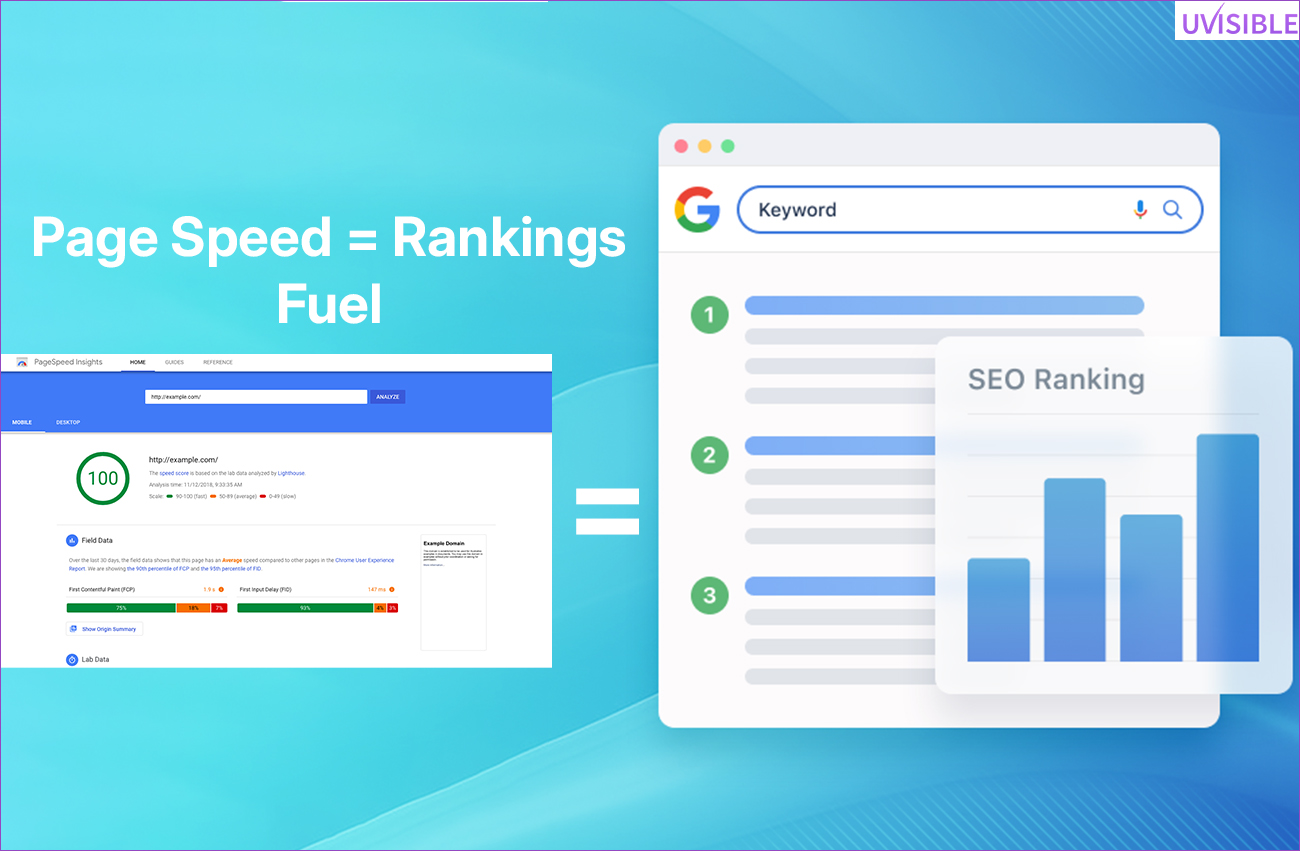
A sluggish site functions like a cashier on lunch break—people walk away. Google sees people leave, and you will be penalized in the rankings.
Stat: 53% of users abandon sites taking 3+ seconds to load (Google).
Example: Amazon discovered that every second of load time, they potentially lose $1.6 billion a year.
Action Tip: Compress images, use caching, and run speed tests on PageSpeed Insights.
7. Schema = Rich Snippet Magic
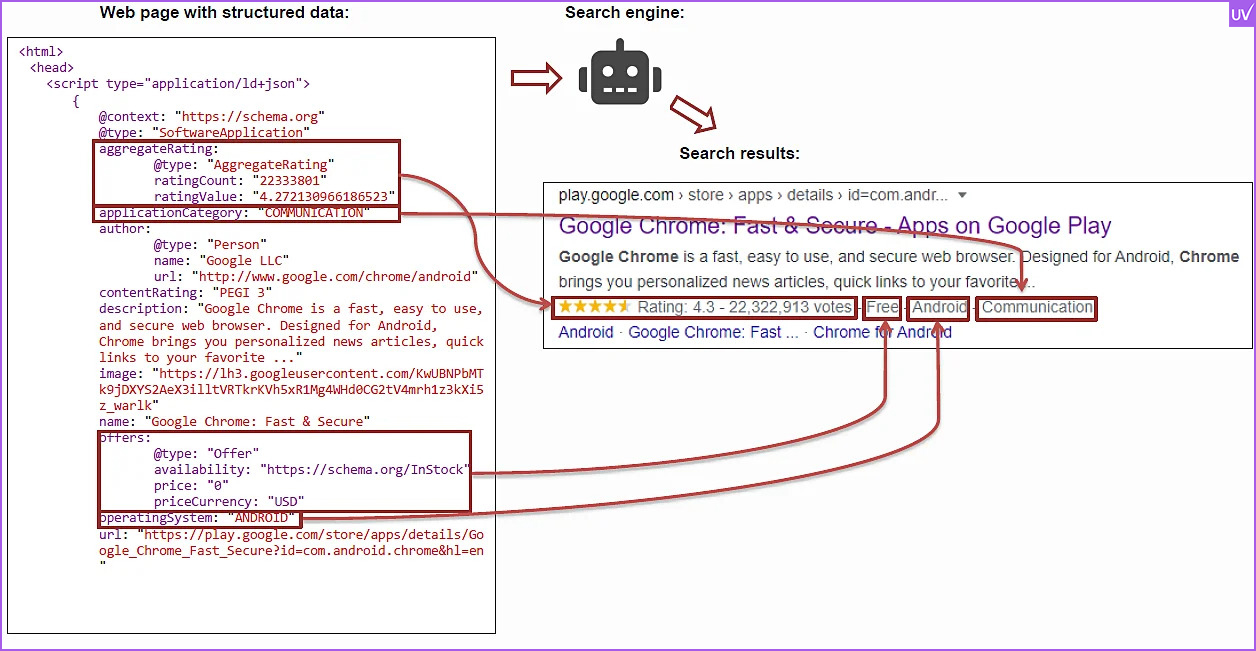
Schema is akin to putting Google glasses on your page—it allows it to "see" what your page is about, and rewards your page with stars, FAQs, recipe cards, etc.
Stat: Structured data can increase CTR by 30% (Search Engine Land).
Example: Food bloggers are hard to beat in Google search results because of recipe schema, even when bigger sites that compete against them have recipes too.
Action tip: Use the FAQ schema or review schema to get featured snippets.
8. Freshness Wins the Race
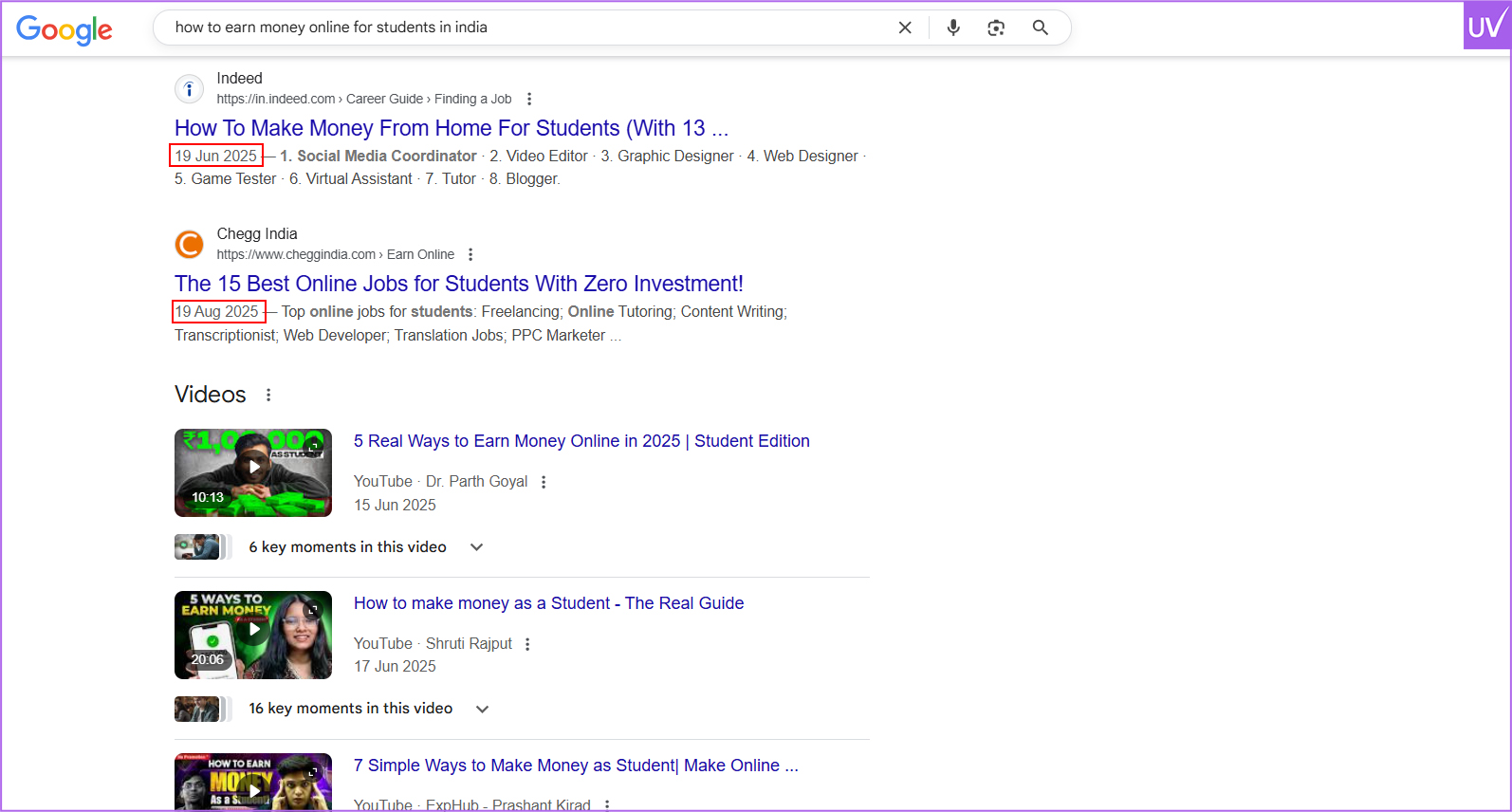
Outdated posts that are dusty will not do. Keeping content fresh keeps it relevant, crisp, and ranking.
Stat: Refreshing old content can result in an increase in traffic by 106% (HubSpot).
Example: Neil Patel refreshes his SEO guides every year—not a surprise they rank.
Action Tip: Audit your top blogs every 6 months by updating stats and republishing them.
9. E-E-A-T or Get Eaten
Google prioritizes expertise over amateurism. If your site conveys authority and trust, you will rise to the top.
Stat: 68% of users said trust was why they clicked on a result (Edelman).
Example: Mayo Clinic outranks other health sites because the content was authored by doctors, not random bloggers.
Actionable Tip: List credentials, reference sources, and provide author biographies.
10. AI Overviews Thrive
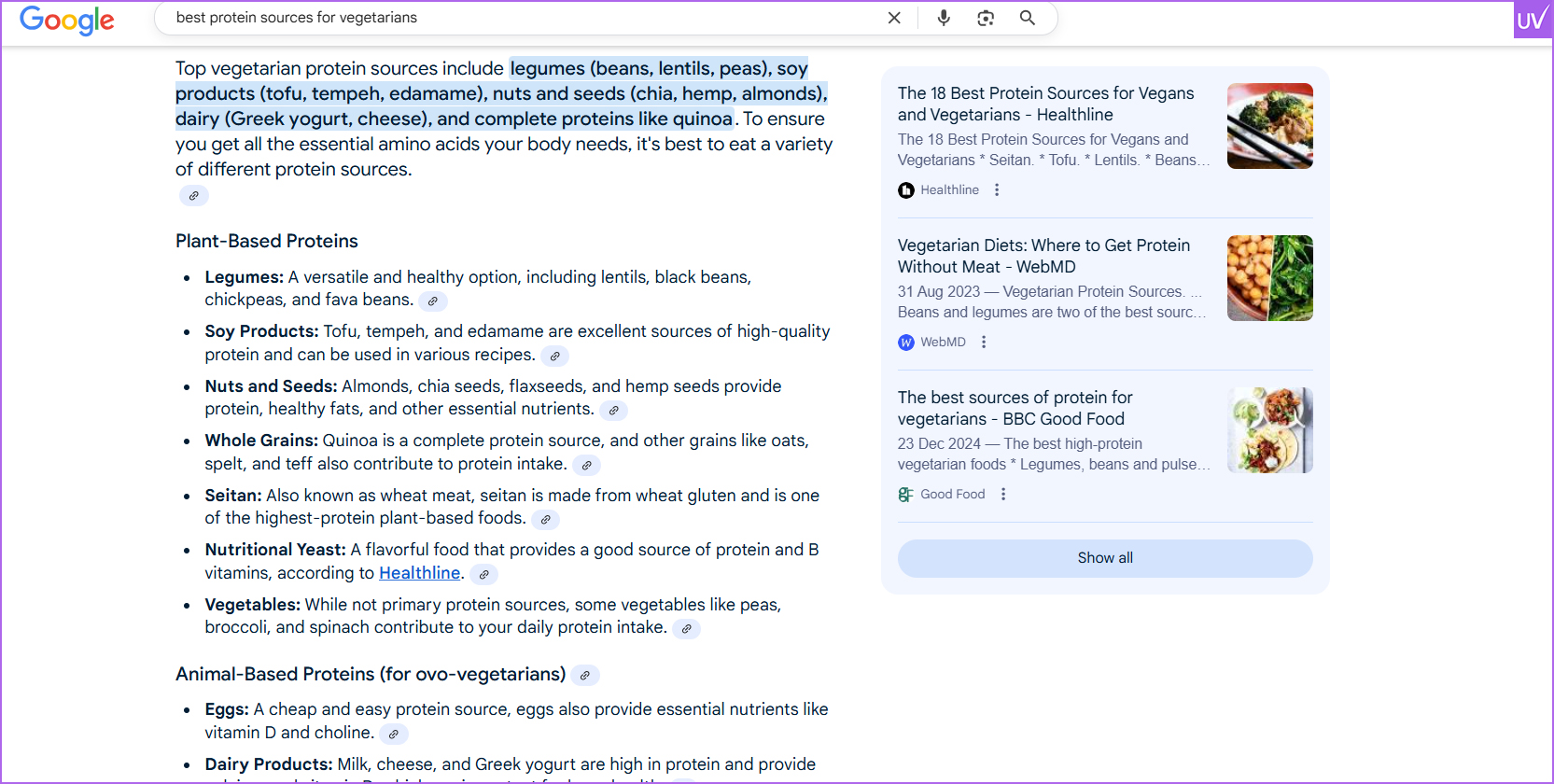
Google’s AI Overviews are the new front page of answers. Instead of sending traffic out, Google now summarizes content with AI — keeping users in the SERP longer. The impact of AI on SEO is clear: if your content isn’t feeding these overviews, you risk being invisible. If your content isn’t feeding these overviews, you risk being invisible.
Stat: Early studies show that AI Overviews appear in ~80% of searches (depending on niche).
Action Tip: Structure your content with clear, scannable answers, schema markup, and topical depth to increase your chances of being included in AI Overviews.
11. Voice Search = Talk Like a Human
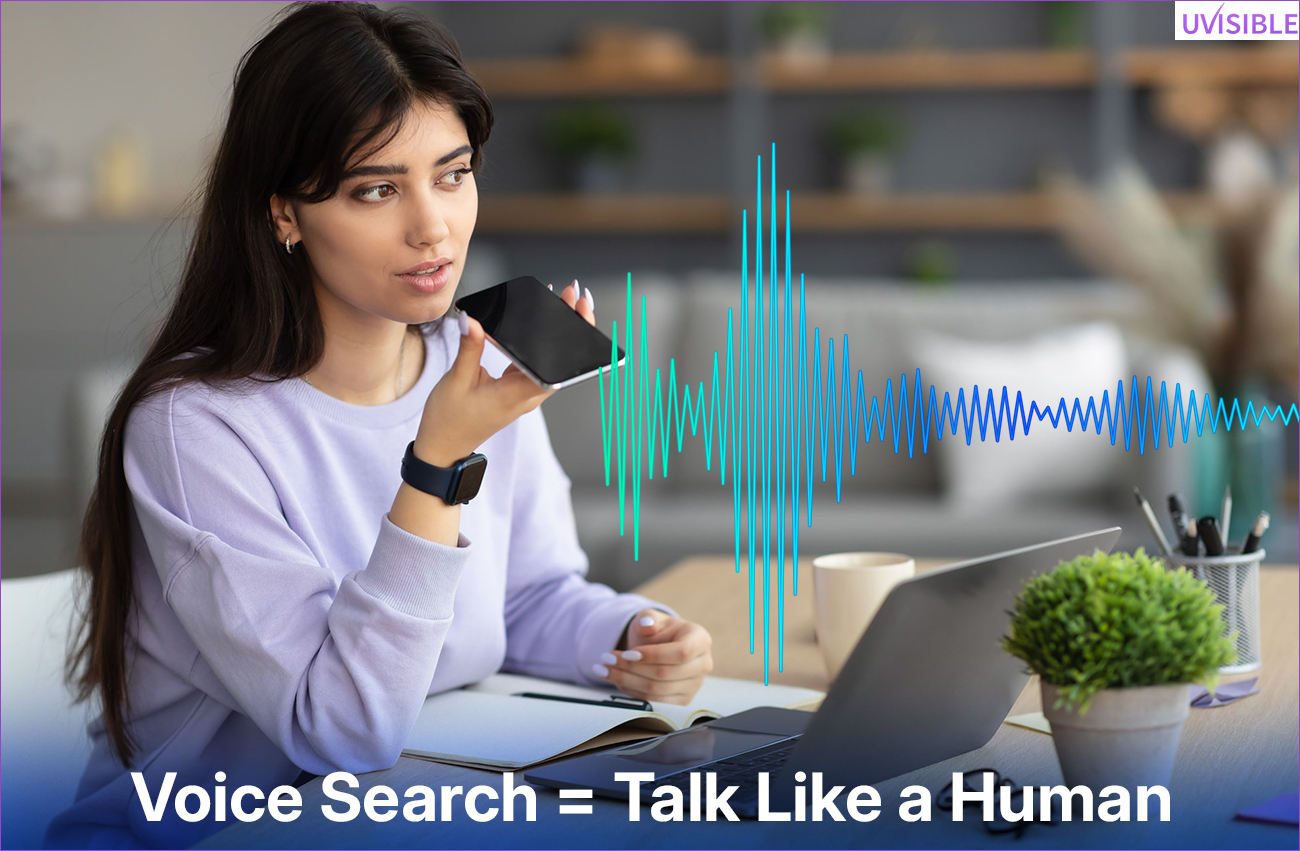
Consider voice searches as more extended and conversational in nature - optimize as if answering a friend's presented question, not drafting a thesis.
Stat: 27% of users rely on voice (Google).
Example: Domino's optimized for "Order pizza near me" and captured those voice-driven sales.
Action Tip: Write naturally, use long-tail questions within FAQs.
12. LSI Keywords = Context Kings
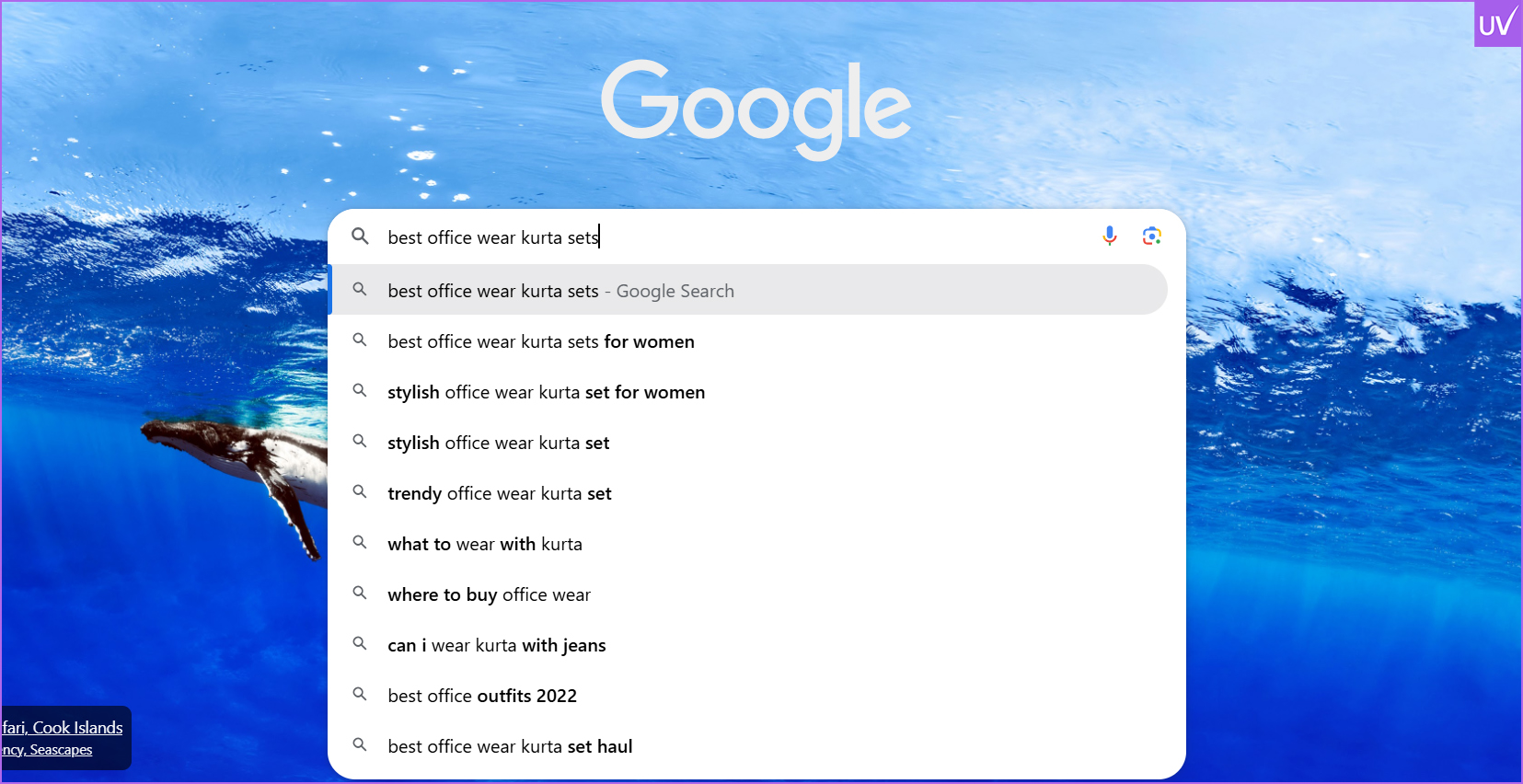
Google isn't just looking for keywords - it's looking for context. You can write about "iPhones," but also think about "apps," "camera," and "battery life."
Stat: Semantic keywords can add 50% to your rankings (CognitiveSEO).
Example: Apple's iPhone pages naturally discuss related subjects without spam.
Action Tip: Use tools like LSIGraph to look for supporting keywords.
13. Mobile-First or Bust
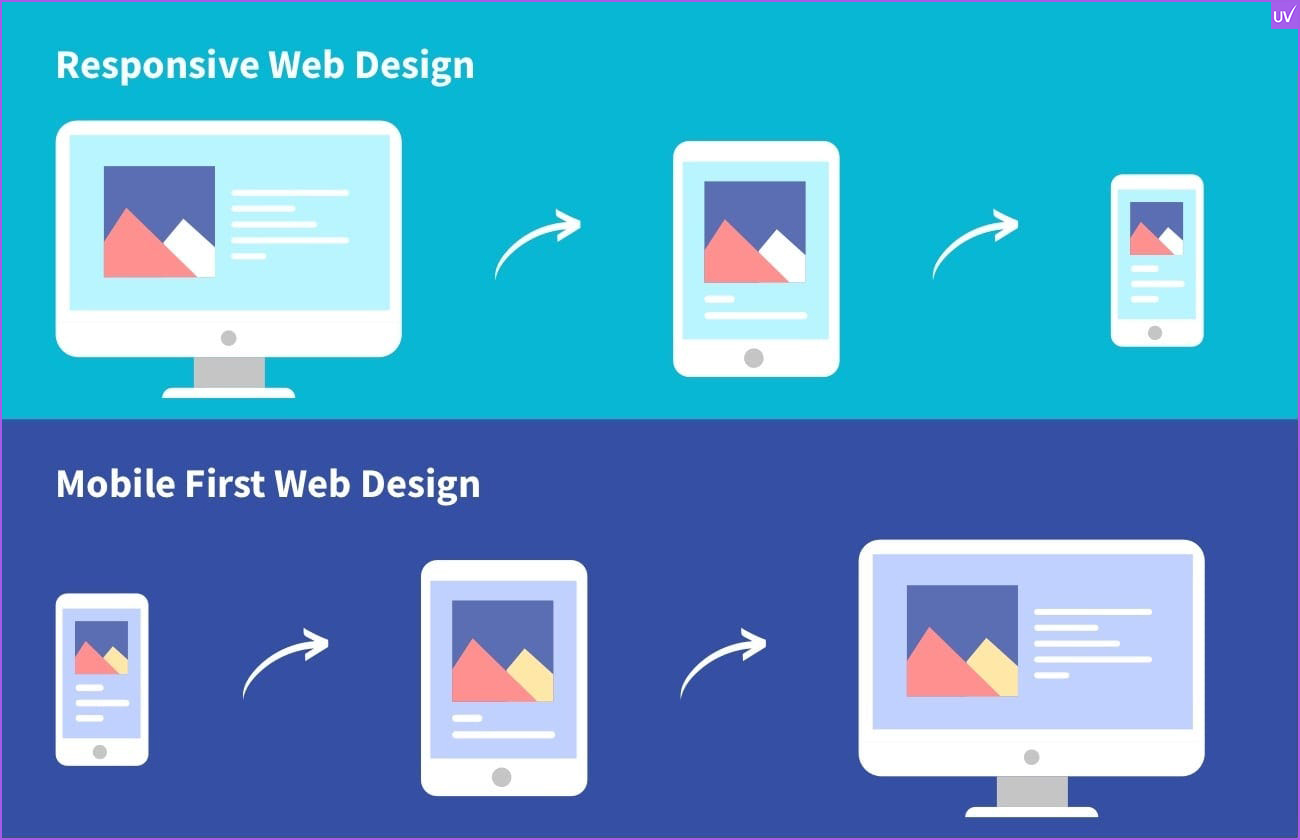
When it comes to SERPs (Search Engine Results Pages), your site is judged first and foremost based on the mobile version. If your mobile version is slow, stuffed with unnecessary elements, or difficult to navigate, your rankings go down.
Stat: For the record, at least 70% of the traffic online is mobile (Statista).
Example: Starbucks' mobile-first redesign of its app and website doubled order completions.
Action Tip: Test your site on Google’s mobile-friendly tool and address anything it highlights as a problem.
14. Engagement > Keyword Stuffing
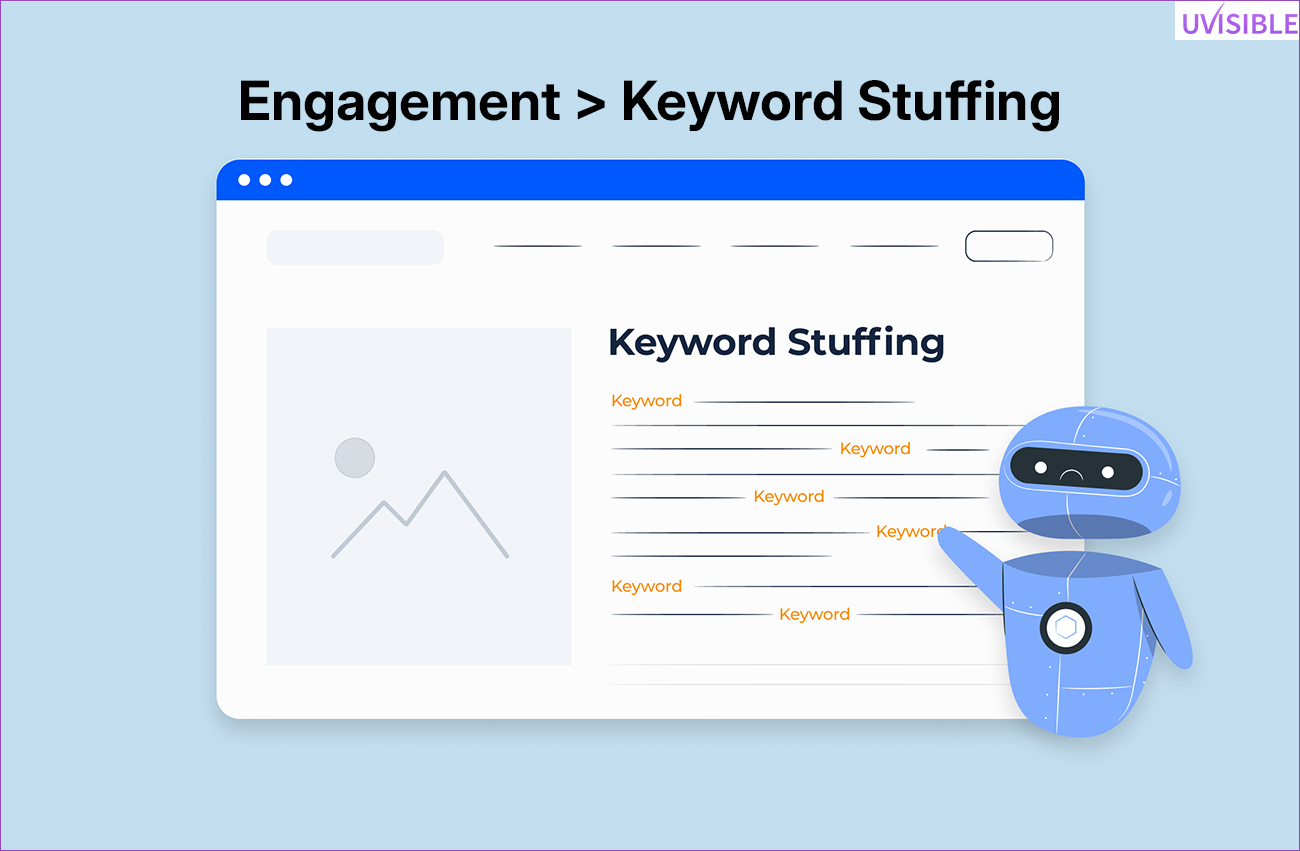
By repeating keywords, you're simply beating a dead horse; Google is focusing on engagement - scrolling down, clicks on the links, shares, etc.
Stat: More signals for engagement and your rankings increase (Moz).
Example: BuzzFeed quizzes are so popular because they keep readers on the site for longer, creating enviable engagement signals.
Action Tip: Add polls, infographics, or fun interactive elements to create dwell time.
15. Alt Text Brings Bonus Traffic
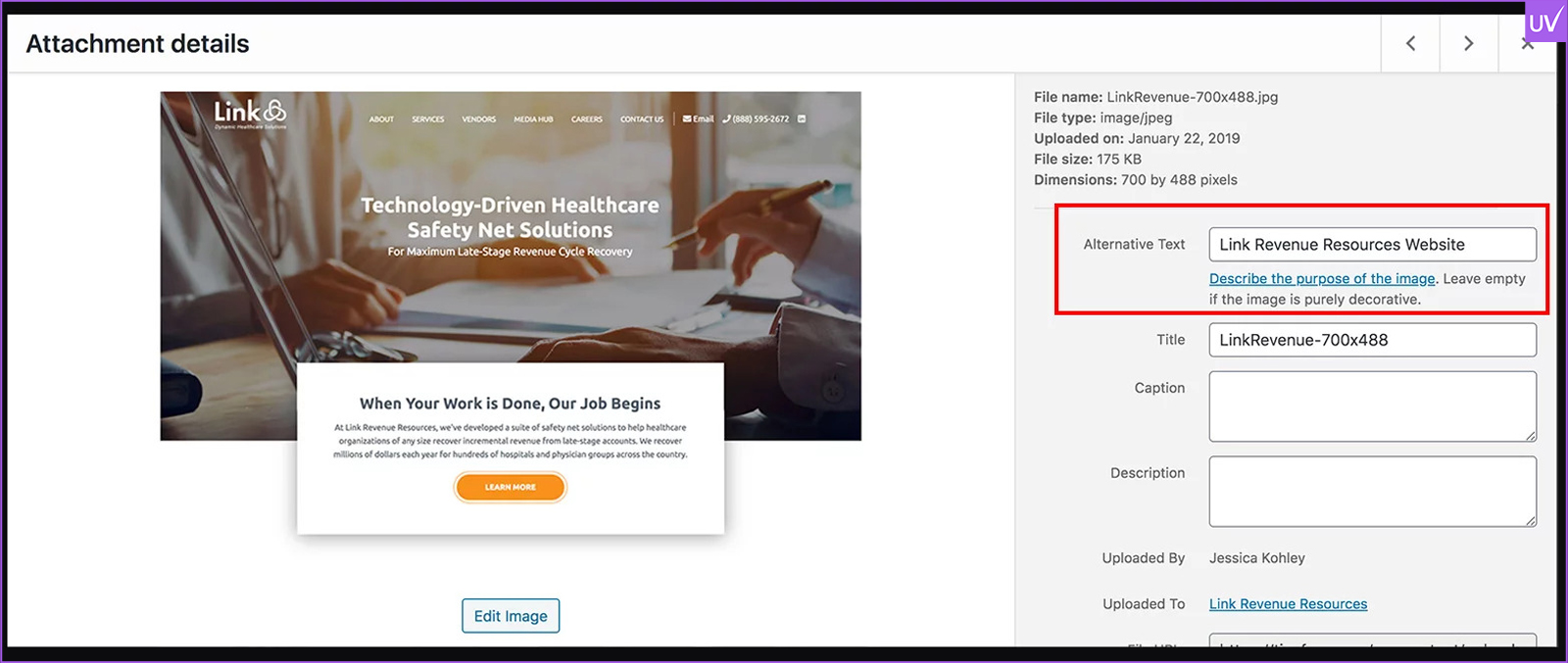
Images that don't have alt text are invisible to Google. Alt tags provide accessibility and referer traffic. Image optimization is crucial for SEO.
Stat: 26% of searches occur on Google Images. (Jumpshot)
Example: Sellers on Etsy rake it in by adding descriptive alt text like "handmade boho necklace."
Action Tip: Describe every image with natural, keyword-based alt text.
16. Core Web Vitals = Ranking Boss Fight
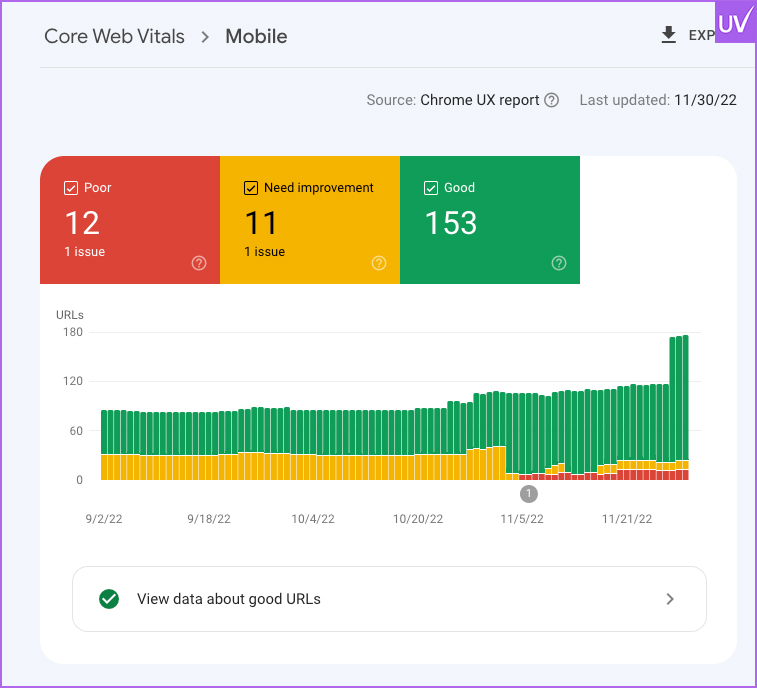
Speed, stability, and responsiveness are measured by Google using Core Web Vitals (CWV). If you fail CWV, your ranking gets shaky.
Stat: 96% of sites fail at least one CWV metric (Searchmetrics)
Example: eBay improved its CWV scores and lowered its bounce rate by 15%.
Action Tip: Conduct a CWV audit and resolve any issues regarding their Largest Contentful Paint (LCP), Cumulative Layout Shift (CLS), and First Input Delay (FID).
17. Topical Authority Rules the Throne
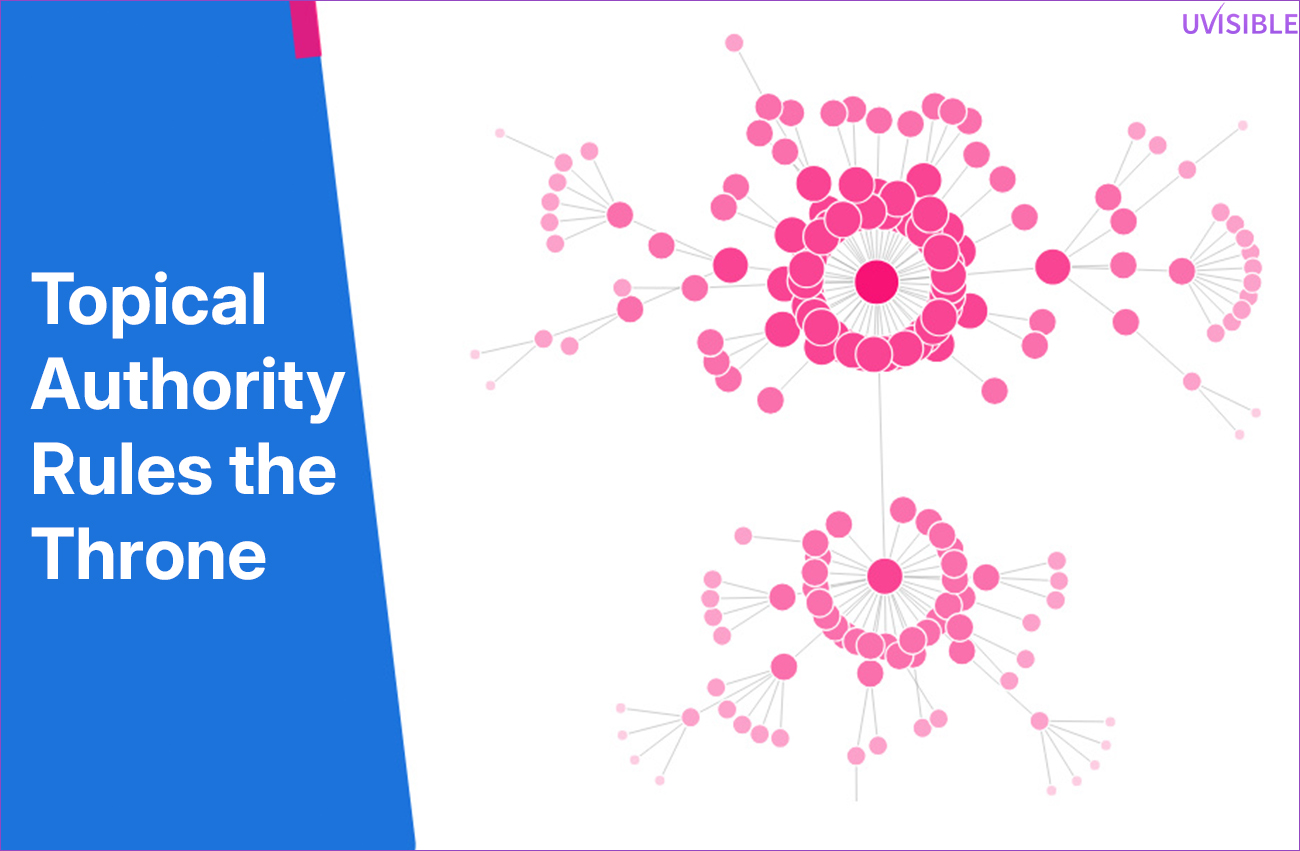
You won't be able to compete as a jack-of-all-trades. Cover a niche in-depth, and you can build up your authority in that niche with the blessings of Google.
Stat: Topic clusters outperform standalone posts by 3x (SEMrush).
Example: HubSpot's "Marketing Hub" covers the topic, angles, and other resources, making it the go-to source for all things Marketing.
Action Tip: Develop content hubs that include main pillar pages that are supported by blog posts.
18. Brand Searches = Secret Ranking Juice
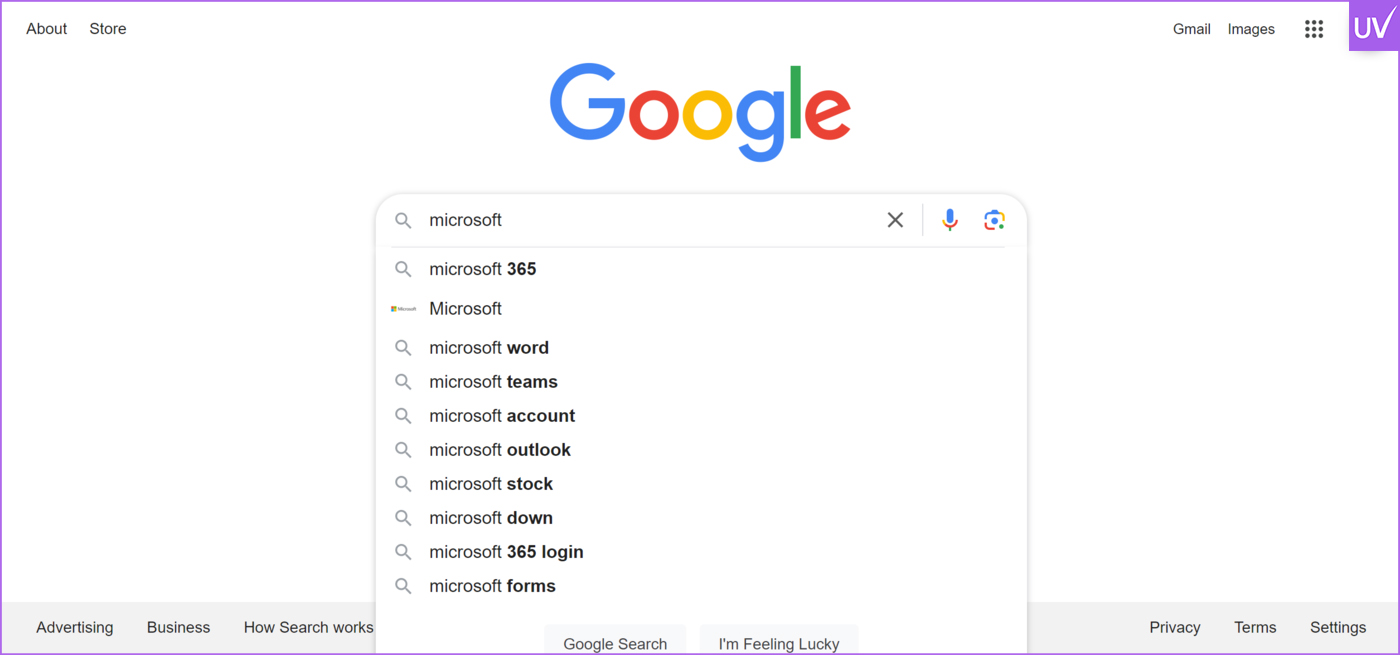
The higher the search frequency of your brand name on Google, the more credibility you build.
Stat: The volume of branded searches has a strong relationship with your rankings (Moz).
Example: Nike is the #1 result for “running shoes,” also partly because millions of people search for “Nike shoes” every day.
Action Tip: Accumulate more branded searches through campaigns outside of Google. Ads, PR, and social campaigns can drive branded searches.
19. Local SEO Packs a Punch
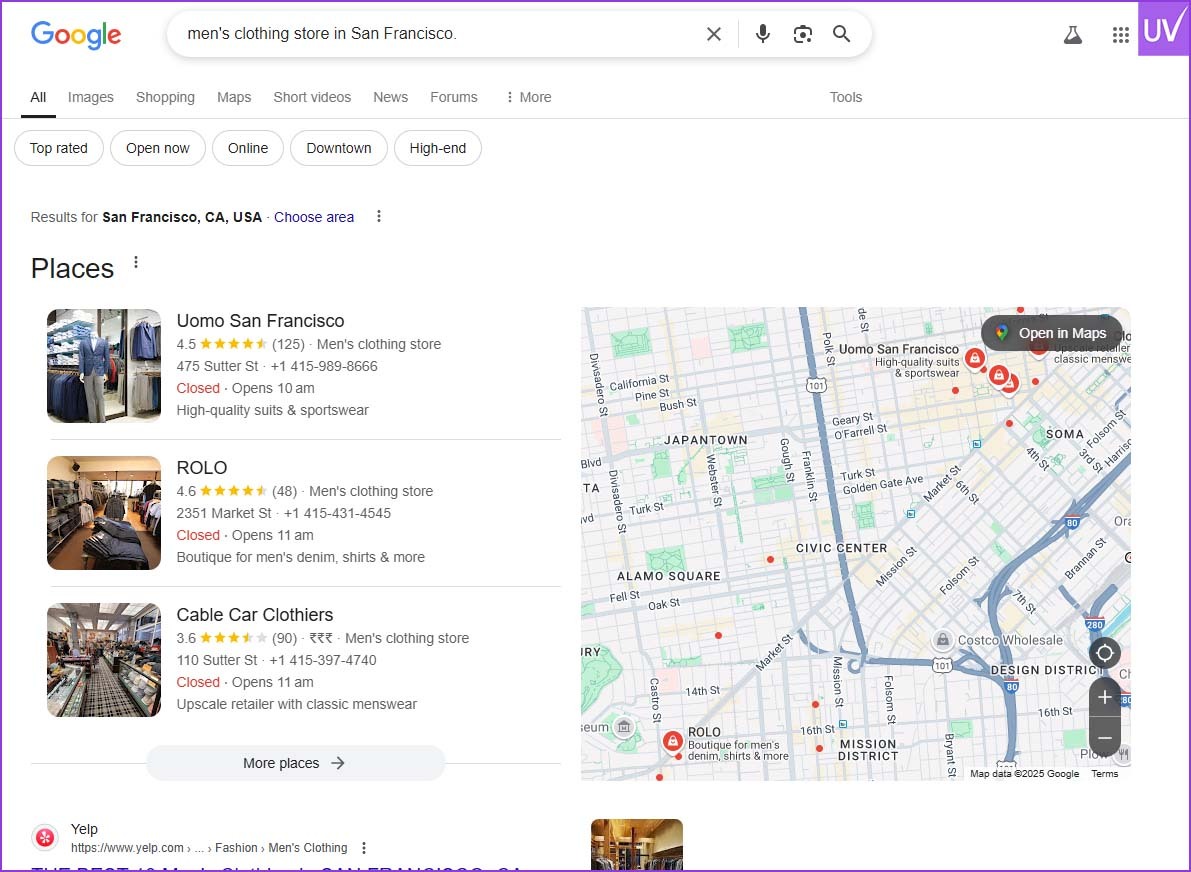
Almost half of the searches on Google are local. Businesses, even if they are online first, can establish credibility by using local citations and leveraging SEO services for local businesses.
Stat: 46% of searches are local intents (Search Engine Land).
Example: A local bakery claimed its Google Business Profile tripled its walk-ins through searches with “near me”.
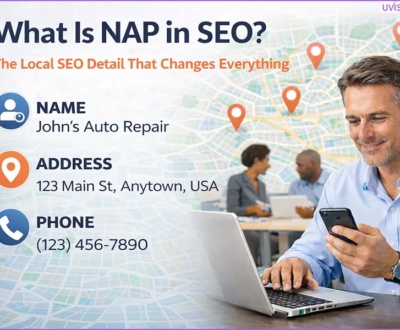
Action Tip: Claim your Google business profile and use a consistent NAP everywhere.
20. SEO = A Never-Ending Hustle
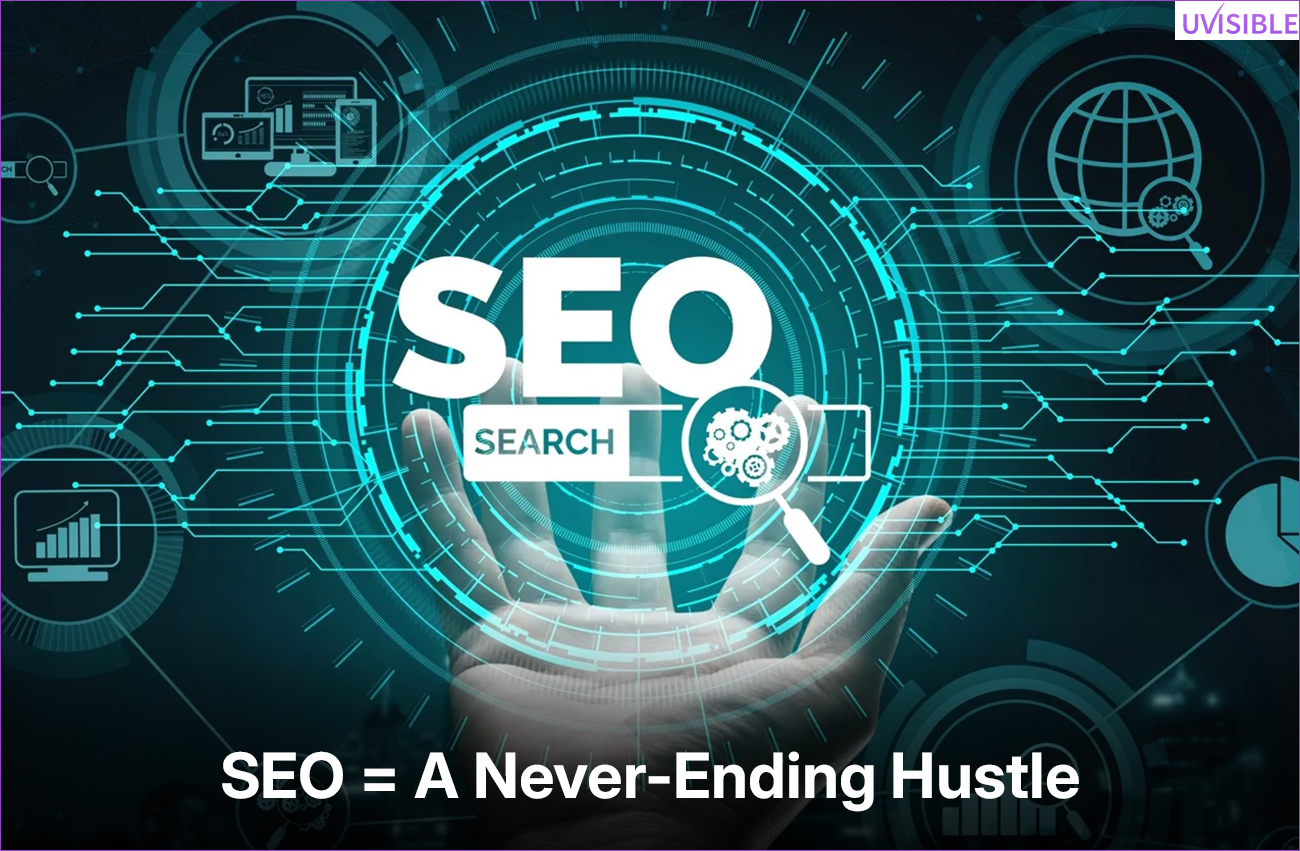
SEO is not a checklist; you can complete it’s more like going to the gym. Skip a few sessions and your gains will disappear.
Stat: Google changes its algorithm 9 times a day (Moz).
Example: Even Amazon is routinely changing its product pages.
Action Tip: Monitor your rankings on a monthly basis with an SEO audit so that suggestions can be implemented! And don't hit cruise control.
Final Word
Google may never give us the “official” guidebook, but by having the 20 secrets already, you are capable of playing a smarter game than most. This is important to remember: SEO is not a sprint; it’s a marathon—and the front runners are the ones making progress.
Turbocharge Your SEO with Uvisible
At Uvisible, we don’t chase the SEO trends; we’ve been ahead of the curve for years. Our team is focused on helping businesses like yours claim their proper place at the top, increase their organic traffic, and optimise their visibility when it matters most: when you search on Google.
Are you ready to unlock SEO growth with less guesswork? Get in touch today.
About us and this blog
We are a digital marketing company with a focus on helping our customers achieve great results across several key areas.
Request a free quote
We offer professional SEO services that help websites increase their organic search score drastically in order to compete for the highest rankings even when it comes to highly competitive keywords.
Subscribe to our newsletter!
More from our blog
See all posts


Recent Posts
- How SEO Works in Bing (And Why Ignoring It Might Be Costing You More Than You Think) February 27, 2026
- Things Every Website Should Have: The Complete SEO Blueprint February 14, 2026
- Digital Marketing Conferences 2026: Top Global Events for Marketing Leaders February 7, 2026
Pingback: 10 Hidden SEO Tips for Successfully Outsourcing Enterprise SEO