
The Internet evolves rapidly, possibly faster than you can say "algorithm update." We are in a moment where TikToks, Reels, and short tweets dominate the landscape, and the big question continues to arise: “Do people even read blogs anymore?”
Here’s a spoiler: YES. Blogging is alive and well—and it’s experiencing a resurgence as a form of long-form content.
It may not look the way it did several years ago, but let’s discuss why and what is replacing blogging, if anything—and how to actually write quality blog posts that work in today's ecosystem.
Did You Know: The average word count of pages on the first page of Google results in 2020 was 1,447 words. Long-form content also tends to generate more backlinks than shorter blog posts.
Is Blogging Still Relevant?

For sure. Blogs still generate huge traffic, generate leads, and make money. In fact,
- 77% of internet users still read blogs on a regular basis (OptinMonster).
- Blog posts between 2,100–2,400 words perform best on Google (HubSpot, 2024).
- The average first-page Google result has 1,447 words (Backlinko).
So, while short-form content may reign dominant on social media, long-form blog posts remain the backbone of effective content marketing services, driving search engine rankings and establishing thought leadership.
Do Bloggers Still Make Money?
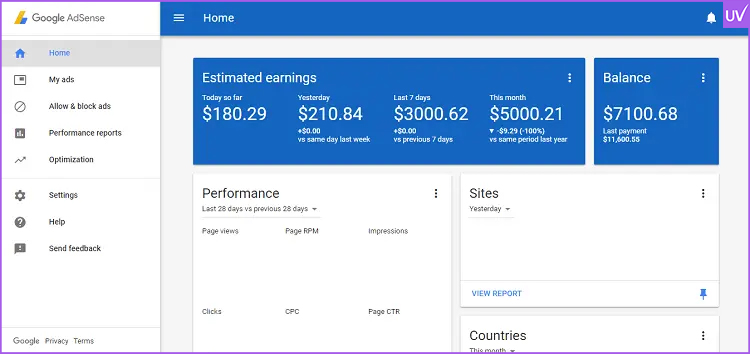
Absolutely - and a lot of it. According to RankIQ, the top 10% of bloggers earn more than $10,000 a month. And these are the following niches that are making a difference:
The best-performing niches are:
- Personal Finance
- Health and Fitness
- Tech and Software
- Digital Marketing
Examples: Bloggers like Adam Enfroy scaled to a 7-figure annual income when they focused on long-form guides and affiliate marketing.
Are Blogs Still Popular, or Is Blogging in Decline?

Here’s the tea: Blogging is not dying — it’s changing. Developers are using Google Blogger less, but blogging on platforms such as WordPress, Substack, and Medium is flourishing.
Let's be real: Would you take comfort in a 400-word, surface-level post or a 3,000-word guide that answers all of your questions? That's the reason blogs still exist — they provide depth beyond TikTok clips.
What Is Replacing Blogging?

Some argue that YouTube vlogs, podcasts, or LinkedIn articles are "replacing" blogs, but they are actually complements, not replacements. Long-form writing still makes up the backbone of content marketing.
Potentially worse still, Google itself even states: “helpful content updates” favor long-form, complete blog articles that get to the heart of any given search query.
Do People Still Write Blogs?

Definitely, millions do. Blogging is no longer just for hobbyists - it is for businesses, influencers, and professionals trying to build authority. Even Fortune 500 companies blog, whether to explain products, provide updates, or rank and drive traffic to their sites. For instance, brands offering sports content marketing services rely heavily on blogs to engage fans, build loyalty, and attract sponsors.
Here's a fun fact for you - WordPress alone reports over 70 million new blog posts published each month.
So the real question isn't "Do people still blog? But "How do you write a blog that gets read?"
How to Write Long-Form Blogs That Work

So you believe long-form content isn’t dead. Awesome. But how do you write a blog post that won’t just linger in the tall grass of the internet? Here’s the secret five-step recipe for long-form blogs that rank, resonate, and convert.
1. Hook Readers Forever (First Impressions Are Everything)
Think of your intro as a blind date. If it’s boring, your readers will be gone quicker than you can say date night. Your goal is to get them to stop scrolling and want to lean in to learn more.
How?
- Begin with a bold question: “Is blogging dead in 2025 or is blogging going to thrive again?”
- Share an unexpected statistic: “Did you know that 77% of internet users still read blogs on a regular basis?”
- Challenge a myth: “Everyone seems to be saying that attention spans are getting shorter. However, long-form blogs are ranking better than short blogs.”
Don't forget, your hook is not just to get eyeballs - it's to set the tone that this blog will be a good use of their time.
2. Structure for Skimmers (Because Nobody Reads Walls of Text)
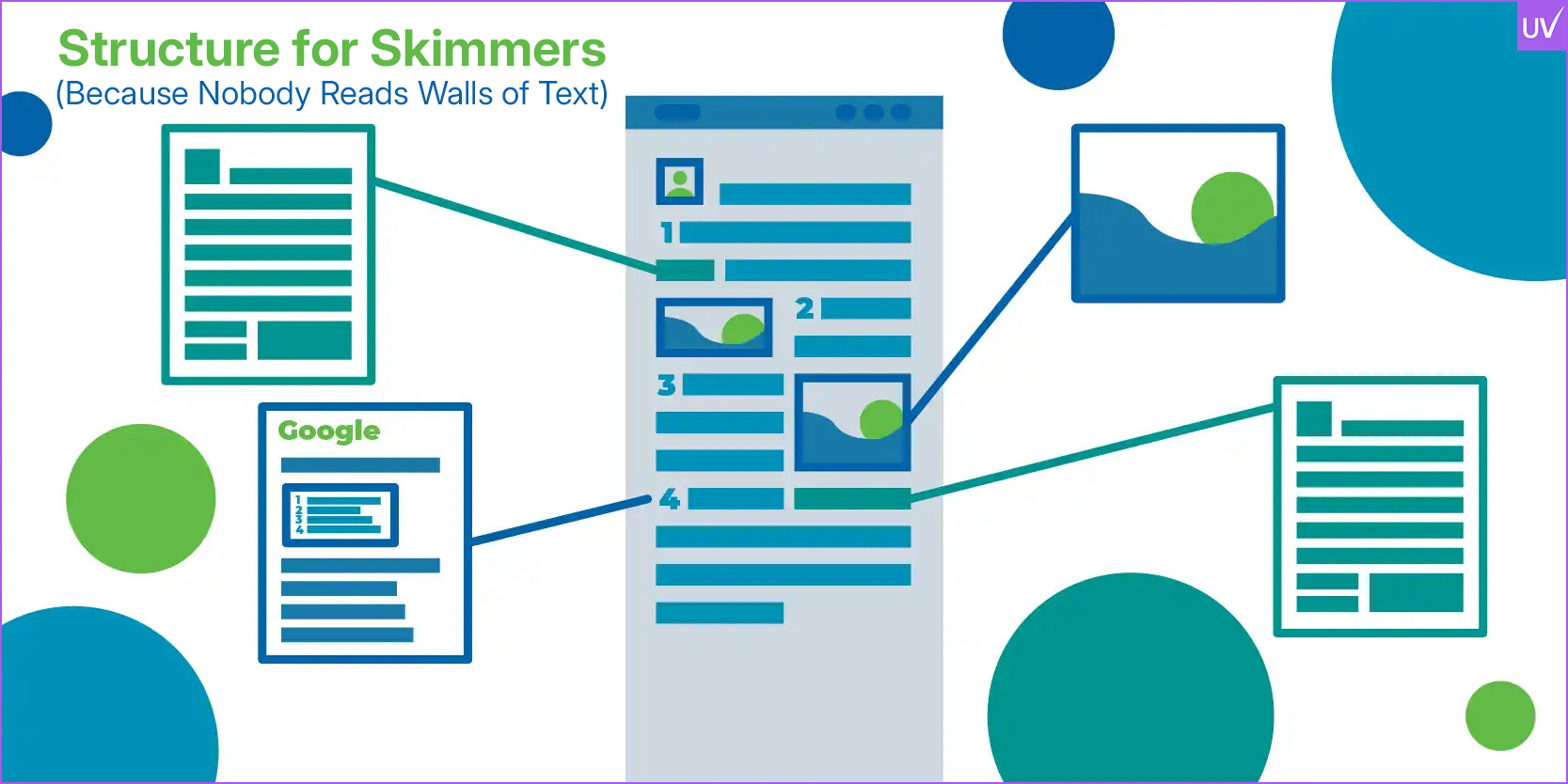
We hate to break it to you, but the majority of people don’t read online content word for word. They skim, scan, and pick out the parts they want to read. So, make it easy for them to find what they are looking for - the breadcrumbs you leave throughout the article.
- Subheadings: Make sure to break your content into easily understood sections, which include keywords (i.e., "Do People Still Read Blogs Anymore").
- Bullets & Lists: People love the bite-sized, easy-to-read takeaway. Use bullets if you are sharing a series of steps, tips, or stats.
- Short Paragraphs: Keep paragraphs down to 2-3 lines max. Nobody wants to battle with large blocks of text.
- Visuals: Include charts, screenshots, and even memes if they align with your brand voice. Just because it’s a long, looming read doesn’t mean it needs to be boring — after all, it is the written content version of a Netflix binge.
Pro Tip: If you think your reader only has 30 seconds to read your content, would they still walk away with something? If the answer is yes, then you nailed the structure.
3. Answer Real Questions (SEO Goldmine)
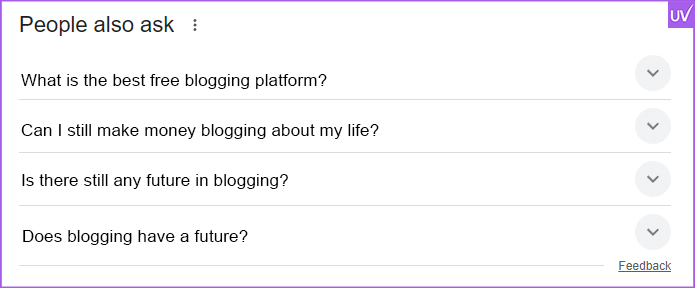
And here’s the thing: the best blogs don’t just “talk” – they answer the questions people are already Googling, and that’s where your keyword research comes in.
For example, ask these kinds of questions:
- "What is the best free blogging platform?"
- "Can I still make money blogging about my life?"
- "Is there still any future in blogging?"
Each one of these can be a subheading in your blog. Why? Because when a person types this exact question into Google, your blog has a better chance of ranking.
For example, if you are blogging about blogging platforms, don’t say “WordPress is popular.” Say this:
"When people ask, 'What is the best free blogging platform in 2025?' the answer is still WordPress. Why? It supports 43% of all websites, and there are thousands of free themes and free plugins you can use."
This is how you begin to connect the dots between SEO and reader value. And in today’s landscape, understanding comparisons like GEO vs SEO vs AEO can give your blog an extra edge, helping you optimize not only for search engines but also for voice and location-based queries.
4. Add Data + Case Studies (Show, Don’t Just Tell)

To be honest, vague recommendations are not going to work anymore. Readers want evidence. And that's where statistics and case studies come into play.
- Statistics Establish Authority: “Content marketing generates 3x more leads than paid search" (Demand Metric).
- Case Studies Establish Relatability: Ahrefs publishes 3,000-word tutorials that lead to assignments of thousands of keywords and pull in millions of visitors per month. That’s long-form content.
Consider data your evidence, and case studies your receipts. Both prove your blog is not just theory — it’s been battle-tested.
5. End With a Clear Action (Don’t Leave Them Hanging)
Can you envision reading a really awesome blog post … and then it just stops? No road map to follow. No next step. That’s like cooking a beautiful feast and then forgetting to put out forks.
Instead, always finish your posts with a clear, actionable next step (or call-to-action; CTA
):
- Invite them to subscribe to your newsletter.
- Encourage them to download a free checklist or guide.
- Prompt them to write their own blog.
- Or, if you’re a business, go to your service page.
Example call-to-action: “Now that you know how to write long-form content, why not write your first 2,000-word blog outline today? And if you want experts to help you, Uvisible can do that, too.”
Short-Form Content vs. Long-Form Content: The Real Difference
| Factor | Short-Form Content | Long-Form Content |
| Length | Under 1,000 words | 1,500 – 3,000+ words |
| Primary Goal | Quick attention, engagement, shareability | Depth, education, trust-building, conversions |
| Best For | Social media posts, news updates, product blurbs | In-depth guides, tutorials, explainers, pillar pages |
| SEO Impact | Limited keyword targeting, struggles for long-term rankings | Supports topic clusters, ranks for long-tail & high-value terms |
| Reader Experience | Skim-friendly, snackable, often forgettable | Comprehensive, bookmark-worthy, and builds authority |
| Search Intent Fit | Surface-level queries, trending, or time-sensitive topics | Complex, multi-step, research-driven queries |
| Business Impact | Boosts short-term visibility | Drives sustainable organic traffic & long-term ROI |
Are Blogs Making a Comeback?
Absolutely! As social platforms become congested, the desire for thorough, evergreen content is increasing. A 15-second video may grab someone’s attention, but when users want answers, they go to Google and still end up on someone’s blog.
Picture blogs as the “library of the internet.” Most trends come and go, but libraries stick around.
Final Thoughts
Let’s set the record straight once and for all: blogging is alive and well. In fact, not only are blogs still relevant — they continue to be one of the most cost-effective, return-on-investment strategies out there in a digital marketer's toolkit.
Think about it:
- Long-form content is still the king of the Google rankings, regularly driving organic traffic month after month — without the costly expense of advertising.
- Blogs are your 24/7 brand ambassador, answering customer questions, establishing trust, and giving you an authoritative position in your industry.
- And yes — long-form content is still generating real revenue. According to HubSpot, companies that blog receive 55% more website visitors and 67% more leads than those that don’t. That’s not just alive, that’s thriving.
So the next time someone asks, “Is blogging worth it anymore?”, here’s your response:
Blogs are not only relevant — they are your perfect opportunity to generate SEO visibility, authority in your niche, and conversions from visitors into loyal customers.
However, here is the thing: success does not come from writing a blog. Success comes from writing high-ranking long-form content that is intentionally written in a way to attract, engage, and convert. That’s why many businesses choose to outsource SEO services, ensuring their blogs are not only well-written but also strategically optimized for maximum reach and ROI. This is where we come into play at Uvisible.
If you are still unsure about writing a blog, you need to ask yourself, do you really want to miss out on organic traffic, brand authority, and leads, while your competition continues to write content that ranks number 1 on Google?
At Uvisible, we create long-form content that gets you visible, helps you rank higher, and generates leads. Let’s turn your blog into a revenue-producing machine.
Are you ready to get visible? Book a call with Uvisible for a free strategy session now.
About us and this blog
We are a digital marketing company with a focus on helping our customers achieve great results across several key areas.
Request a free quote
We offer professional SEO services that help websites increase their organic search score drastically in order to compete for the highest rankings even when it comes to highly competitive keywords.
Subscribe to our newsletter!
More from our blog
See all posts




Recent Posts
- How SEO Works in Bing (And Why Ignoring It Might Be Costing You More Than You Think) February 27, 2026
- Things Every Website Should Have: The Complete SEO Blueprint February 14, 2026
- Digital Marketing Conferences 2026: Top Global Events for Marketing Leaders February 7, 2026
Pingback: 20 SEO Secrets Google Won’t Tell You (But You Should Know)
Pingback: WordPress SEO Guide: Everything You Need to Know