
When someone launches a new website, what is one of the most frequent errors you'll notice?
They overlook SEO.
Not on purpose. Not with malice. Just… forgotten.
They concentrate on branding, logo placement, colors, fonts, and animations, and it's true that all of that matters. A stunning website fosters confidence. Here's the crucial query, though:
Will your website rank if it looks great but doesn't follow search engine guidelines?
Not at all.
Additionally, you won't receive any traffic if it doesn't rank.
No traffic → no leads → no customers → no revenue.
After all, traffic is your company's lifeblood.
Because of this, SEO shouldn't be neglected — and bringing in a reliable SEO company early can save you from costly fixes later.
It takes effort to create a website that is optimized for search engines. It is supported by pillars.
Let's understand those foundations.
The 3 SEO Pillars Every Website Must Have
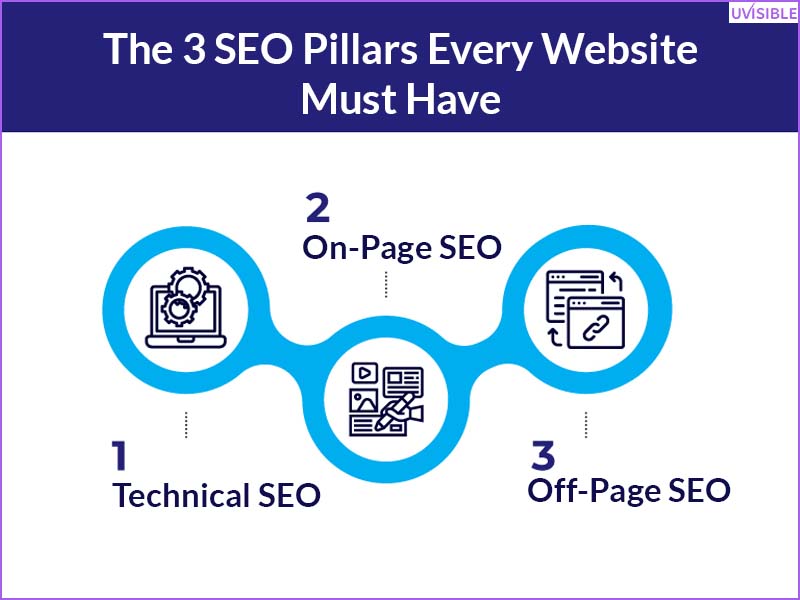
There are three main pillars on which to build an SEO-compliant website:
- Technical SEO
- On-Page SEO
- Off-Page SEO
Think of it like building a house.
- Technical SEO = Foundation
- On-page SEO = Interior structure
- Off-page SEO = Reputation in the neighborhood
The entire structure suffers if one pillar is weak.
Let's take a closer look.
Pillar 1: Technical SEO – The Foundation of Your Website
Many companies neglect a technical SEO audit.
All they want is a visually appealing website. However, they don't consider how Google will interpret it.
The truth is as follows:
Google does not view your website in the same way that people do.
Code is visible to it. Structure. Signals.
You become invisible to search engine crawlers if you don't provide them with the correct information in the proper format.
Let's examine the essential elements.
Robots.txt
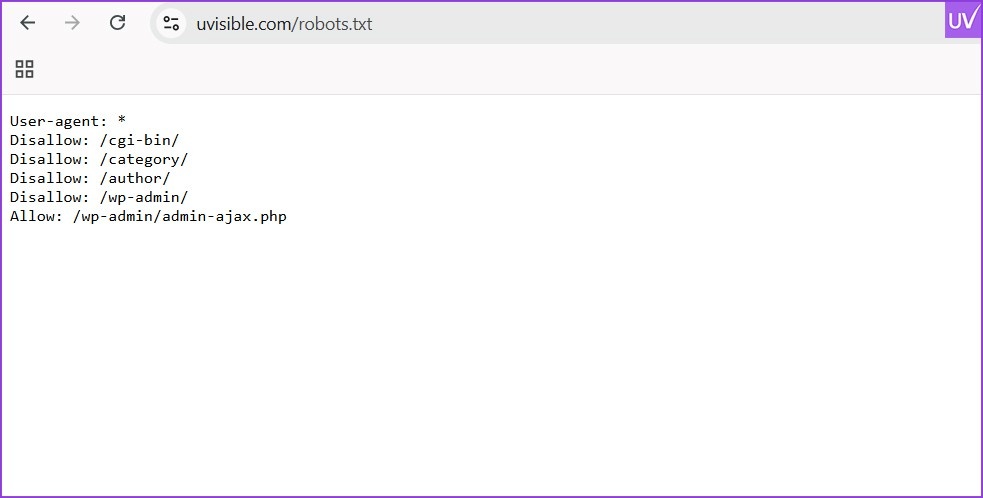
A straightforward text file called Robots.txt is located in the root directory of your website.
Don't be fooled by its simplicity, though.
Search engine crawlers can learn from this file:
- Which webpages should be crawled
- Which pages should be ignored
Googlebot reads Robots.txt before crawling any website.
If you have one hundred pages and twenty of them are:
- Thank you pages
- Admin areas
- Duplicate filters
- Internal search results
Those should not be indexed.
Why?
Because the crawl budget is wasted.
The number of pages Googlebot is willing to crawl on your website in a specific amount of time is known as the crawl budget.
Your important pages might be overlooked if bots waste time crawling pointless pages.
A correctly set-up Robots.txt guarantees:
- Increased effectiveness of crawling
- Improved indexing
- Increased likelihood of ranking
Despite its small size, it has great power.
XML Sitemap
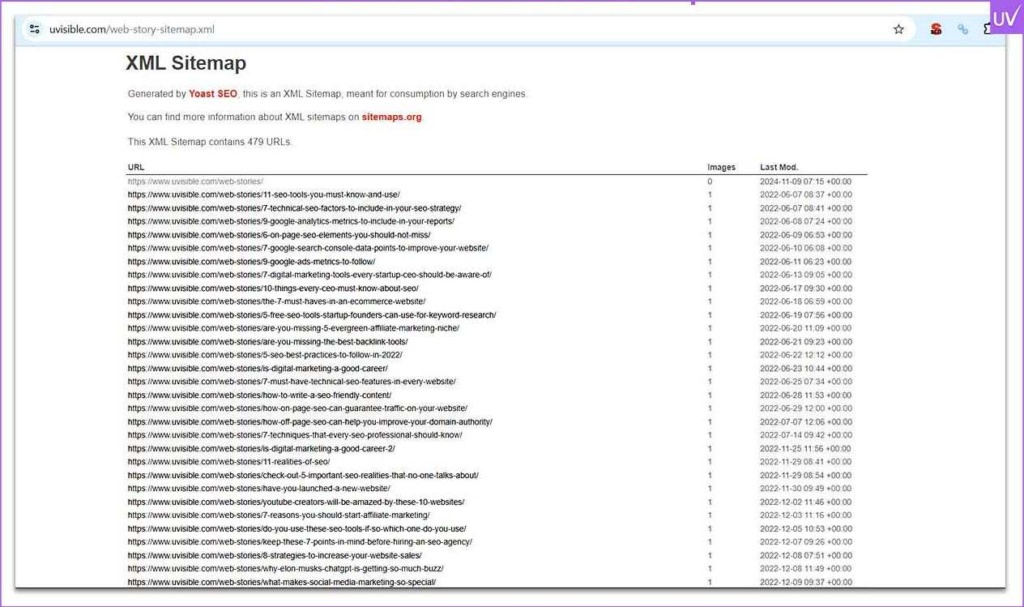
An XML sitemap is basically a roadmap of your website for search engines.
It is a structured file in XML format that contains a list of all significant URLs.
What makes it significant?
Because Google doesn't find everything on its own.
When your sitemap is submitted using:
- Google Search Console
- Webmaster Tools for Bing
Search engines are being told by you:
These are my pages. Please index and crawl them.
This is particularly important if:
- Your website is brand-new
- You have intricate page structures.
- You manage an online store with hundreds of items.
An uncluttered XML sitemap:
- Enhances crawlability
- facilitates quicker indexing
- Boosts visibility
You're making it more difficult for Google if you don't submit it.
And believe me when I say that Google dislikes effort.
Redirects
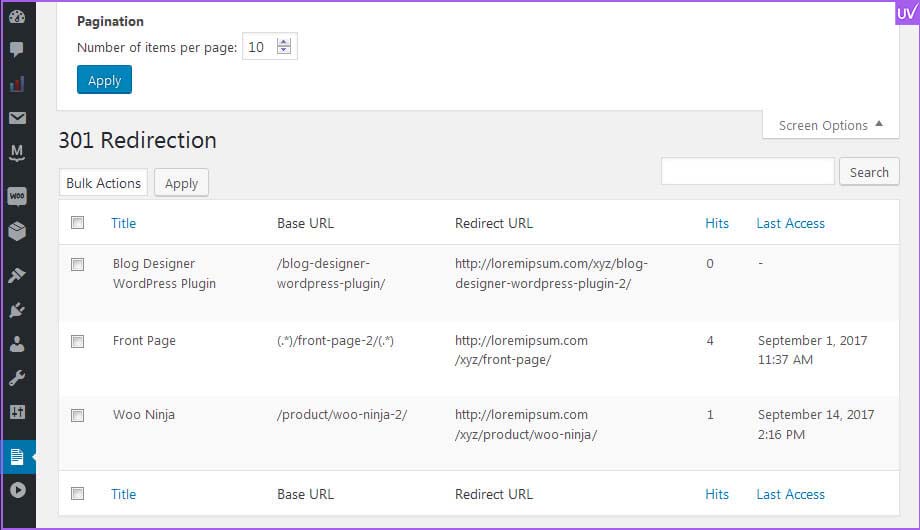
Many times, redirects are misinterpreted.
However, they are crucial.
You have to reroute the old URL to the new one whenever you remove or modify one.
Essentially, there are two kinds:
- Permanent 301 Redirect
- 302 Temporary Redirect
The majority of the old URL's SEO value is transferred to the new one via a 301 redirect.
If you neglect to reroute:
- Backlinks are lost.
- You lose customers.
- You become less powerful.
- Users end up on 404 pages, which is far worse.
Well you can use 404 pages smartly to retain users by guiding them to relevant pages, adding clear CTAs, and giving quick navigation options instead of a dead end.
That is poor SEO and UX.
Avoid redirect chains (URL A → URL B → URL C) as a pro tip. Be straightforward and unambiguous.
Duplicity (Duplicate Content)
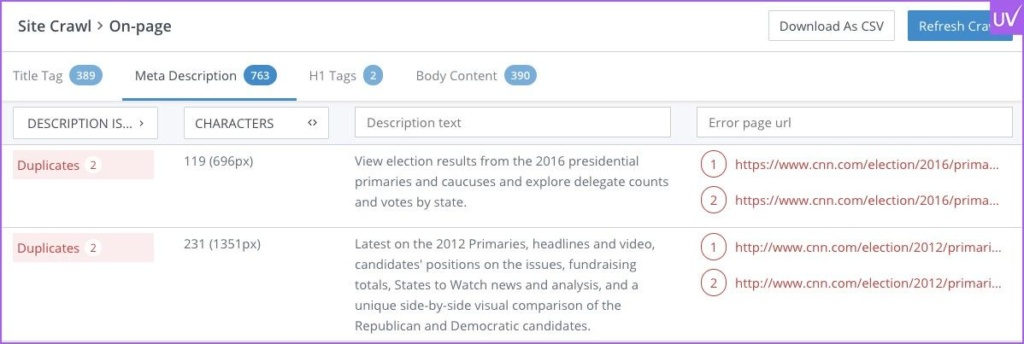
Silent SEO poison is duplicate content.
Search engines are confused by it.
If Google discovers identical information on:
- Several HTTP and HTTPS variations of the URL
- Both www and non-www versions
- E-commerce pages with filters
- It is unclear which to rank.
Result?
lower rankings.
You have to:
- Configure canonical tags
- Adjust the URL parameters.
- Refrain from mindlessly replicating manufacturer descriptions.
- Combine related pages.
Content that is original, well-organized, and targeted always succeeds.
URL Structure
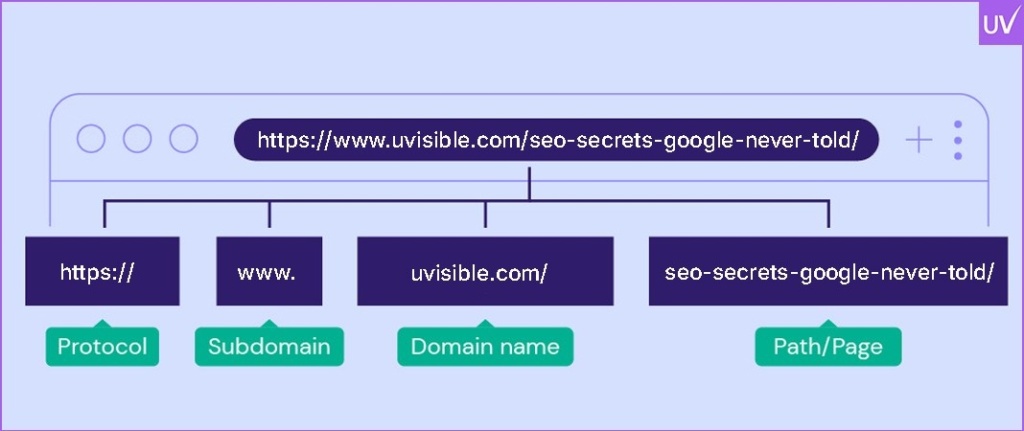
URLs ought to be:
- Short
- Rich in keywords
- Clean
The URL is incorrect: example.com/p=123?id=456
Good Example.com/seo-services is the URL.
Clarity is preferred by both consumers and search engines.
A tidy URL enhances:
- Click-through rate
- User confidence
- Signals for ranking
Keep in mind that your URL is a component of your SEO message.
Nofollow

Not every link is created equal.
When a link has rel="nofollow" added to it, search engines are informed that:
"Don't give this link authority."
Nofollow should be used for:
- Sponsored links.
- Links to affiliates
- Content created by users
When nofollow is misused internally, authority flow within your own website may be blocked.
Make good use of it.
Page Speed
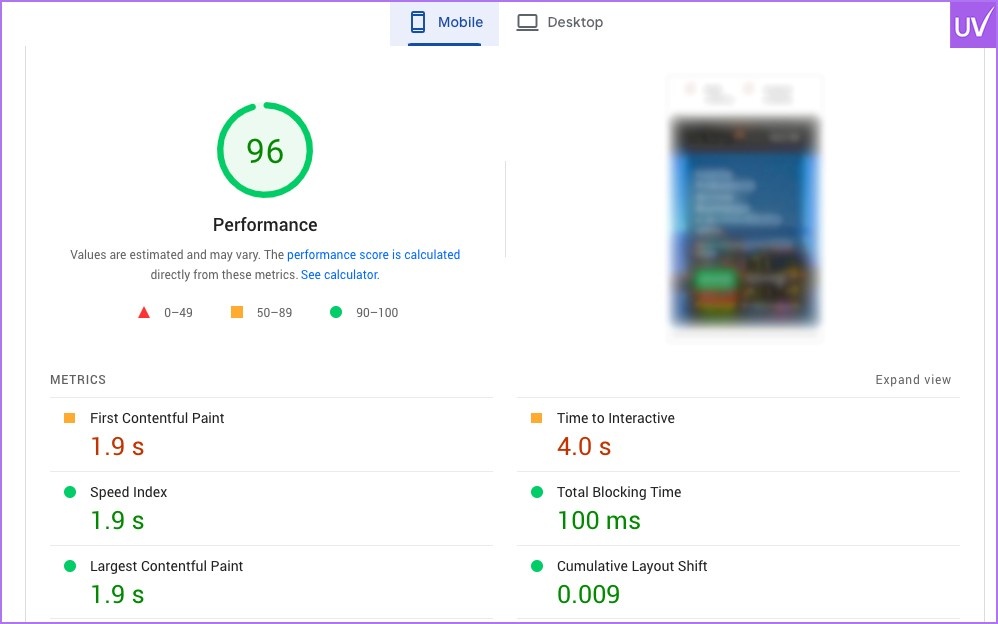
Nowadays, speed is not a luxury.
It is required.
Users are leaving your website if it takes longer than three seconds to load.
Studies show that if a website takes more than three seconds, 40% of visitors will abandon it.
Core Web Vitals are ranking factors used by Google.
Increase speed by:
- Image compression
- Making use of caching
- Cutting down on CSS and JS
- Making use of CDN
- Selecting trustworthy hosting
Speed has an impact on:
- Rankings
- Rate of bounce
- Conversions
Websites that are slow don't sell.
Responsiveness

Mobile devices now account for more than 60% of all traffic.
Google indexes content based on mobile devices.
This implies:
Google looks at your smartphone version first.
If your website:
- Small-screen breaks
- Contain text that is not readable.
- Clickable elements are too close together.
Your ranks are suffering.
Using responsive design guarantees:
- Improved user experience
- Increased involvement
- Improved performance in search engine optimization
It isn't future-ready if it isn't mobile-friendly.
Pillar 2: On-Page SEO – Optimizing What Users See
Now that your technical foundation is solid, let’s talk about content and structure.
Title Tags
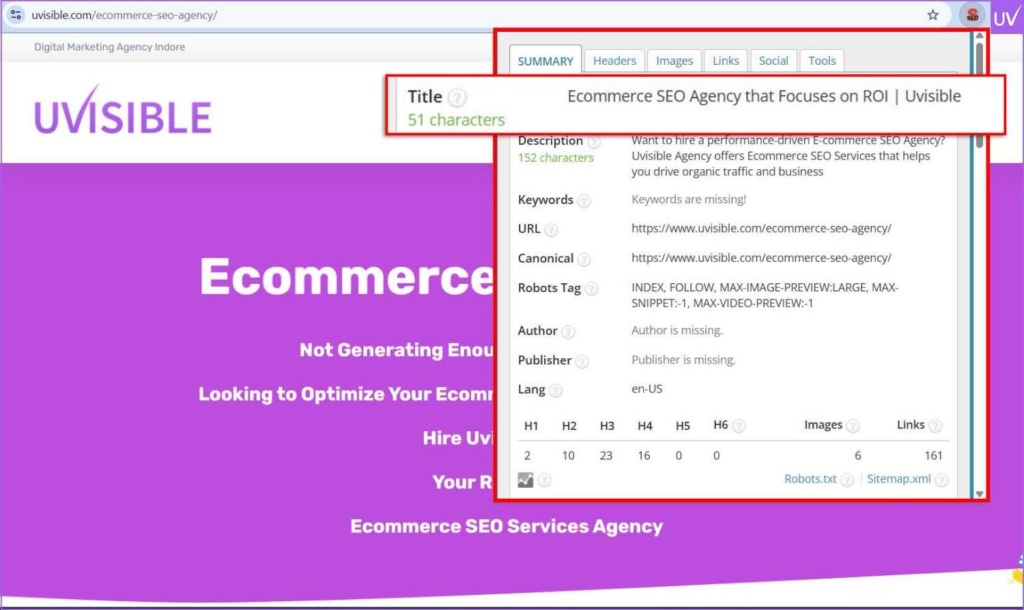
One of the most powerful ranking signals is the title tag.
They:
- Show up in search engine results
- Impact the click-through rate
- Tell Google the purpose of your page.
Best practices:
- 50–60 characters
- Add the main keyword.
- Make it interesting.
For instance, "Best SEO Services in Mumbai | Reasonably Priced & Demonstrated Results."
Consider it your Google headline.
Meta Description
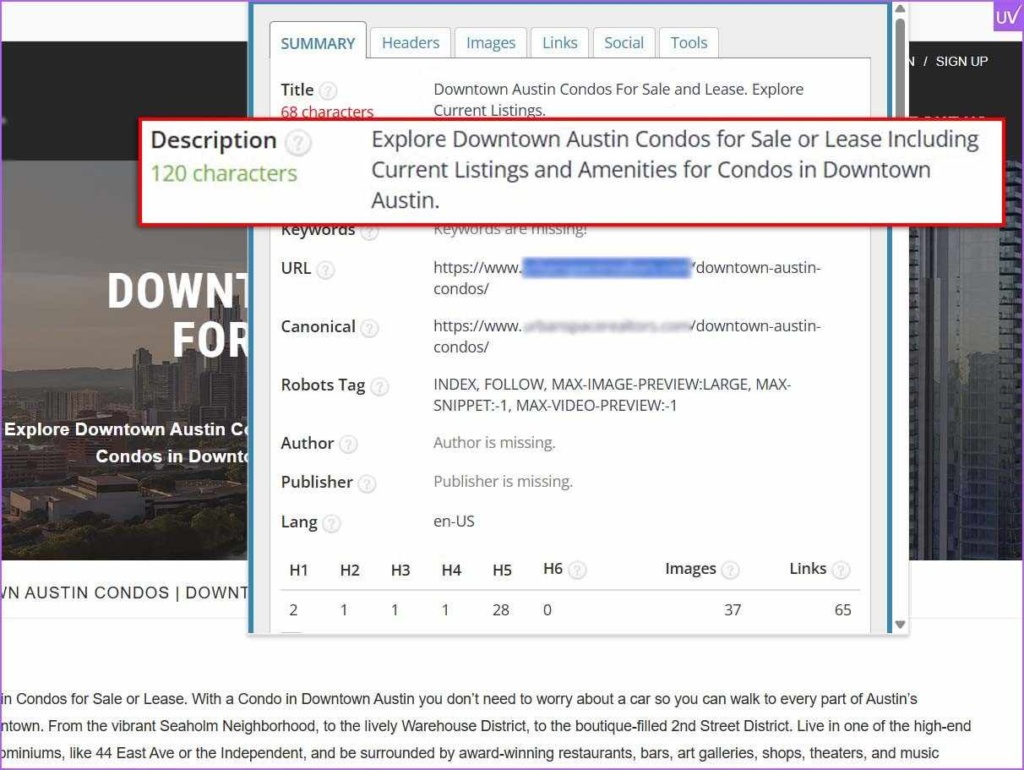
Rankings are not directly impacted by meta descriptions.
However, they affect clicks.
Additionally, increased clicks translate into improved engagement and performance.
Write:
- 150 and 160 characters.
- Clearly defined value proposition
- An appeal for action
Promote the click.
On-Page Content
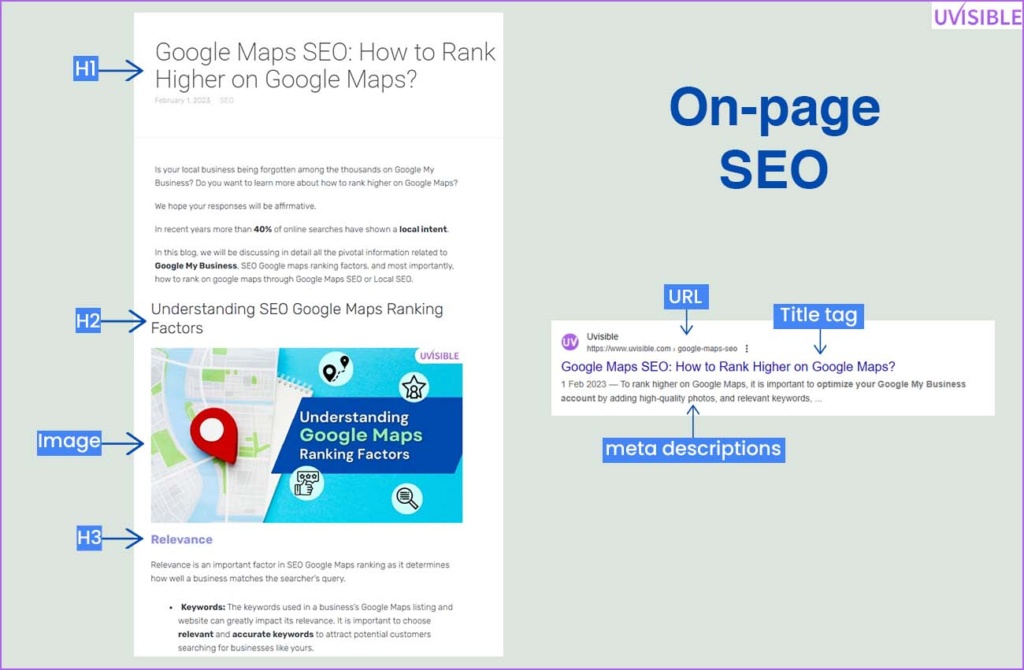
The most important thing is content.
But only if it's a calculated move.
You require:
- Research on keywords
- Headings with structure (H1, H2, H3)
- Internal connection
- Readable formatting
- Steer clear of packing keywords.
Pay attention to:
- Search intent depth
- Clarity
Google appreciates helpful material.
Internal Links
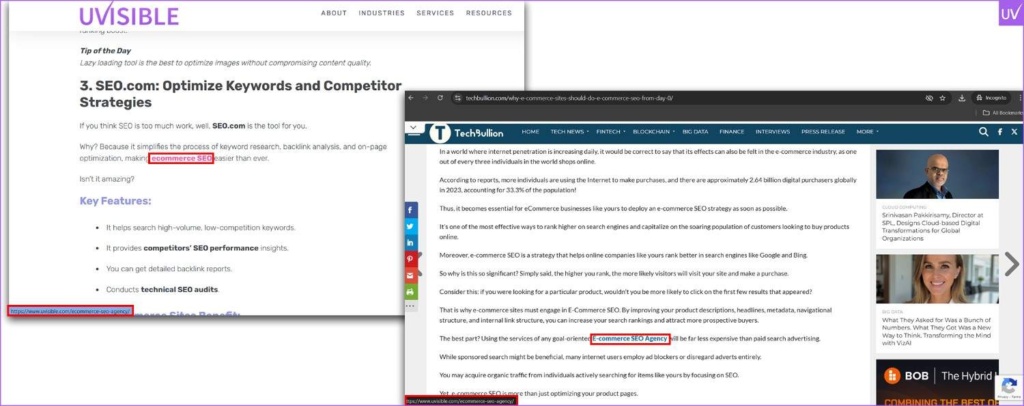
Internal linking is not given enough credit.
It:
- Distributes power
- Aids Google in comprehending the structure of websites
- Enhances user navigation
- Naturally link to pertinent pages.
Consider internal connections to be the linkages that connect your content islands.
Image File Names
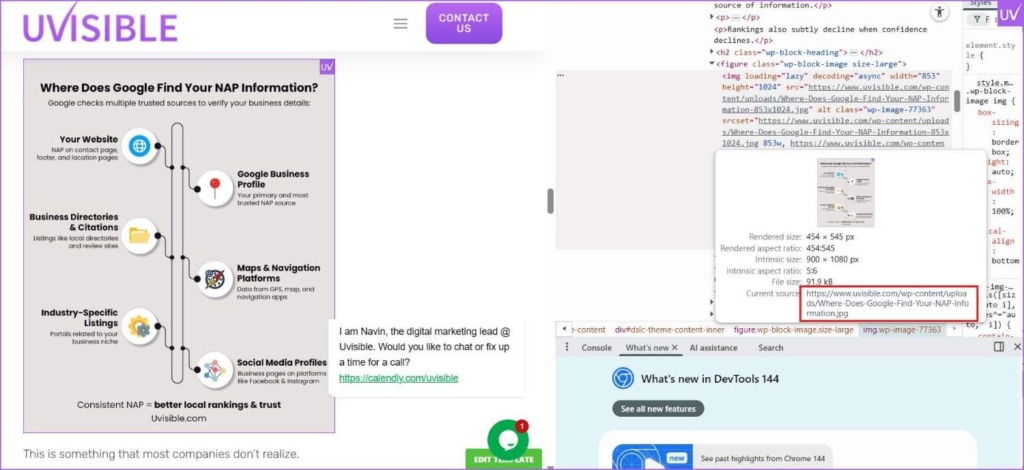
Image optimization is crucial.
Avoid uploading pictures like IMG_4567.jpg.
Give them the new name, seo-friendly-website-structure.jpg instead.
File names can be read by Google.
Give specifics.
Image Alt Tags
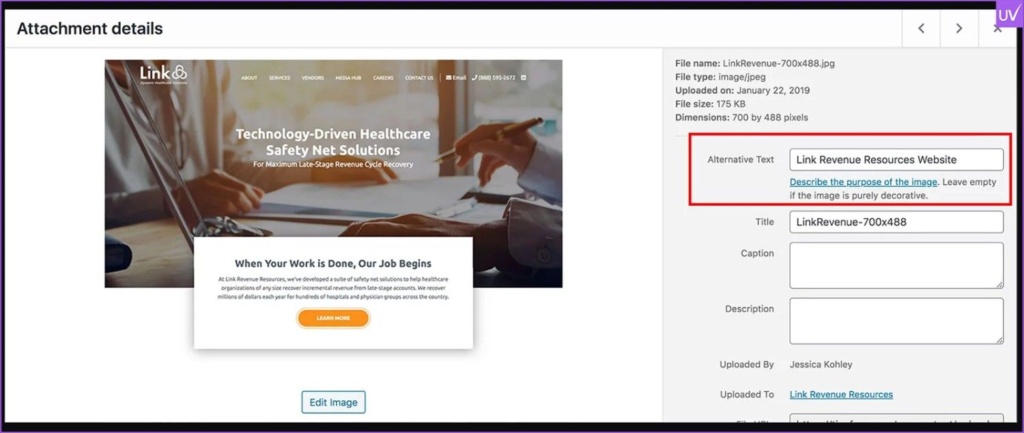
Alt tags:
- Use them for accessibility.
- They help image search rankings.
- They describe images for crawlers.
Write meaningful alt text.
Avoid “image1.”
Be specific.
Menu and User Navigation (UX)
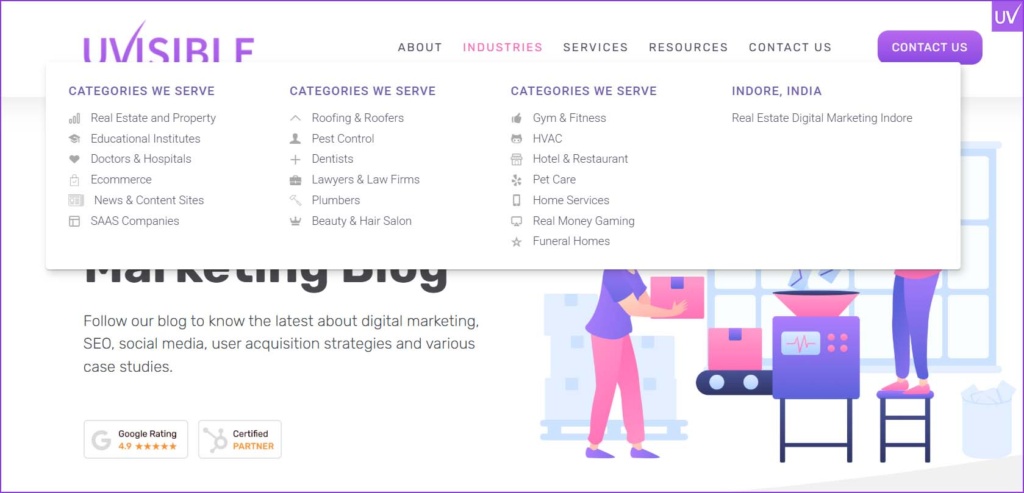
If users can’t navigate easily, they leave. It’s that simple. Your menu should:
- Be structured
- Be intuitive
- Avoid clutter
Use:
- Breadcrumbs
- Logical hierarchy
- Clear CTAs
Good UX improves:
- Time on site
- Pages per session
- Conversions
SEO and UX work together.
Pillar 3: Off-Page SEO – Building Authority
You can have the best content in the world.
But if nobody references you?
Google won’t trust you.
Backlinks
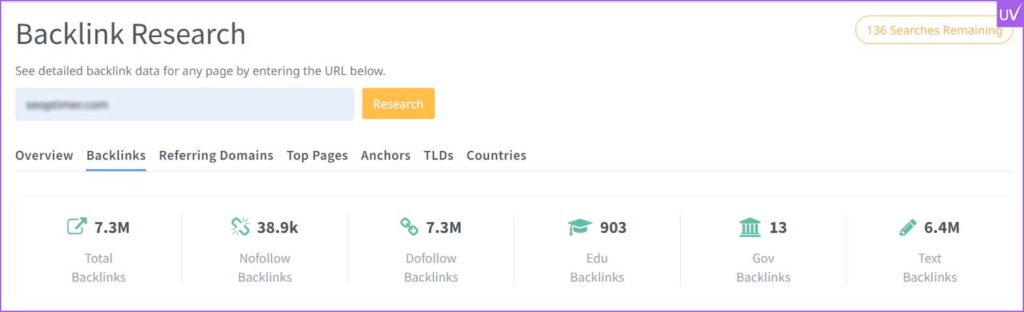
Backlinks are endorsements.
Google considers you credible when you have links from reputable websites.
However, not every backlink is created equal.
Quality is more important than quantity.
More valuable than 100 spam links is a single backlink from a reputable, relevant website.
Relevant Anchor Text
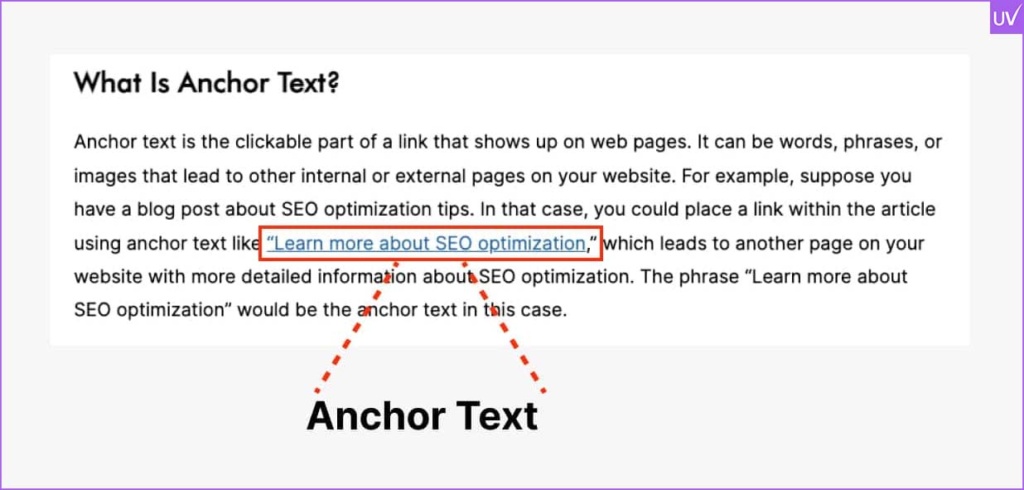
The text that can be clicked in a hyperlink is called anchor text.
It provides search engines with information about the linked page.
Avoid:
- Anchors text that are overly optimized
- Spam that matches exactly
Utilize:
- Variations in nature
- Anchors with a brand
- Contextual expressions
The key is balance.
Dofollow vs Nofollow
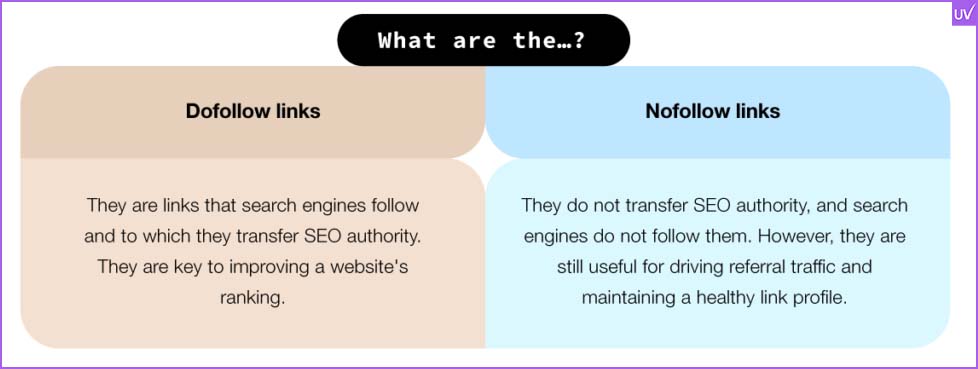
Authority is passed by dofollow links.
Generally speaking, nofollow links don't.
Both are present in a healthy backlink profile.
It appears unnatural if all of your links are dofollow.
Diversity fosters trust.
Link Exchanges
Here, exercise caution.
Link exchanges for SEO purposes alone may come across as manipulative.
It's okay if it's relevant and natural.
It's dangerous if it's forced.
Google is more intelligent than ever.
Prioritize:
- PR for guest blogging
- High-quality content promotion
- Collaborations
Get links. Avoid pursuing them.
Final Thoughts: Build SEO From Day One
Let's go back to the beginning.
Launching a website without SEO — or skipping proper website SEO audite services — is like opening a store in the middle of the desert.
It might look beautiful.
However, no one will discover it.
A website that is optimized for search engines:
- Possesses a robust technical configuration
- Has on-page elements that are optimized
- Increases off-page authority
Together, these three pillars provide:
- Improved rankings
- Regular traffic
- Increased conversion rates
- Long-term expansion
And that's what matters most.
Ultimately, websites aren't made to be aesthetically pleasing.
Their purpose is to create revenue.
About us and this blog
We are a digital marketing company with a focus on helping our customers achieve great results across several key areas.
Request a free quote
We offer professional SEO services that help websites increase their organic search score drastically in order to compete for the highest rankings even when it comes to highly competitive keywords.
Subscribe to our newsletter!
More from our blog
See all posts






Recent Posts
- White Label SEO vs Hiring an In-House SEO Team: Which Is Better? March 27, 2026
- How SEO Works in Bing (And Why Ignoring It Might Be Costing You More Than You Think) February 27, 2026
- Things Every Website Should Have: The Complete SEO Blueprint February 14, 2026